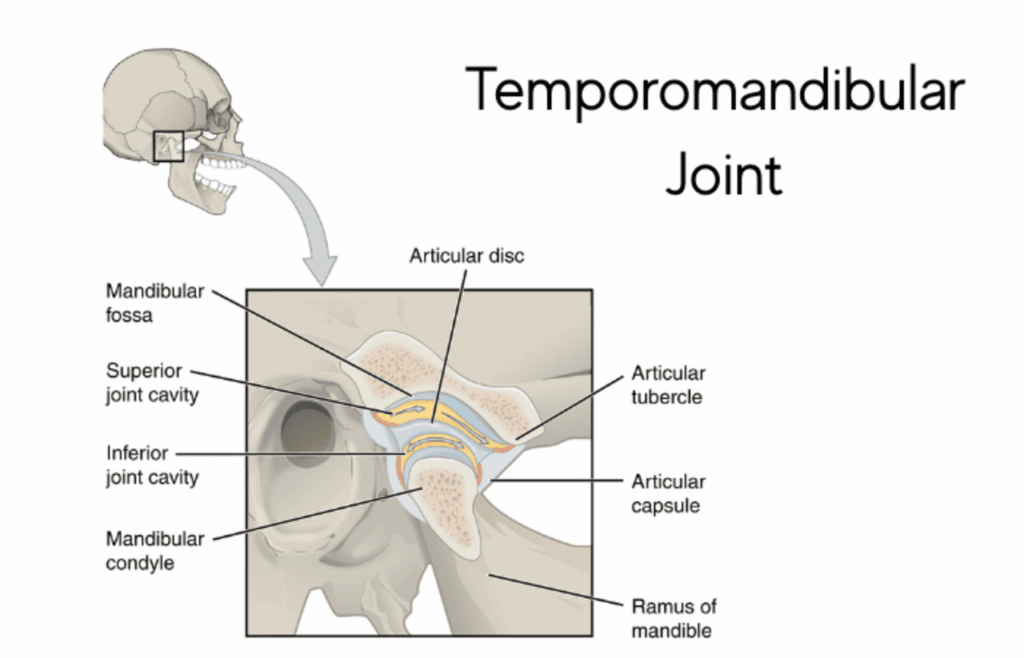
This is one reason TMJ symptoms are often not caused by one structure alone. They usually involve some combination of:
- disc movement
- joint mechanics
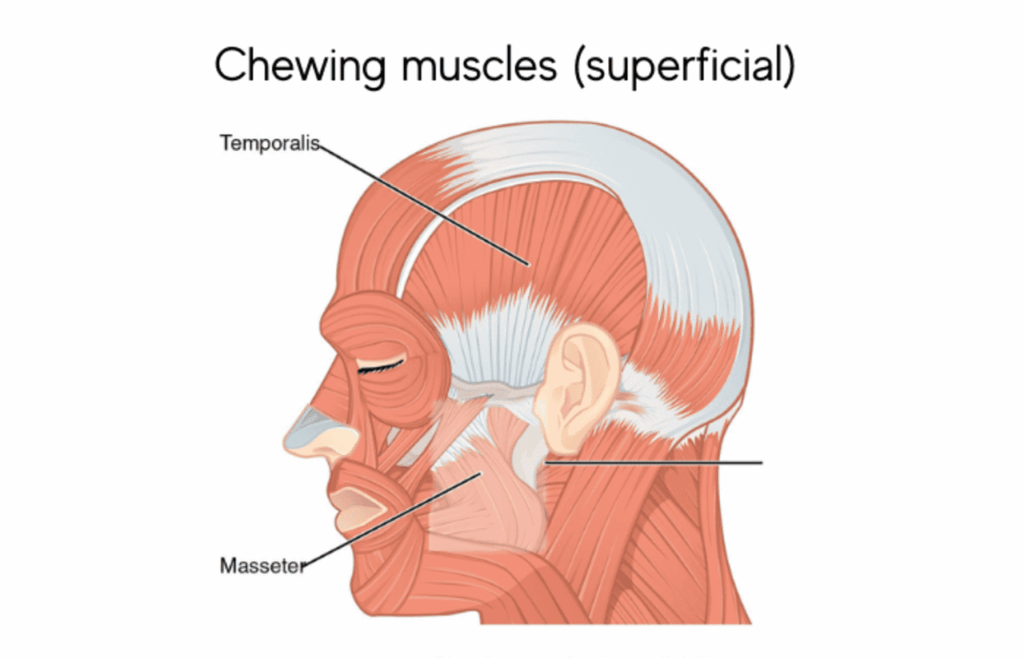
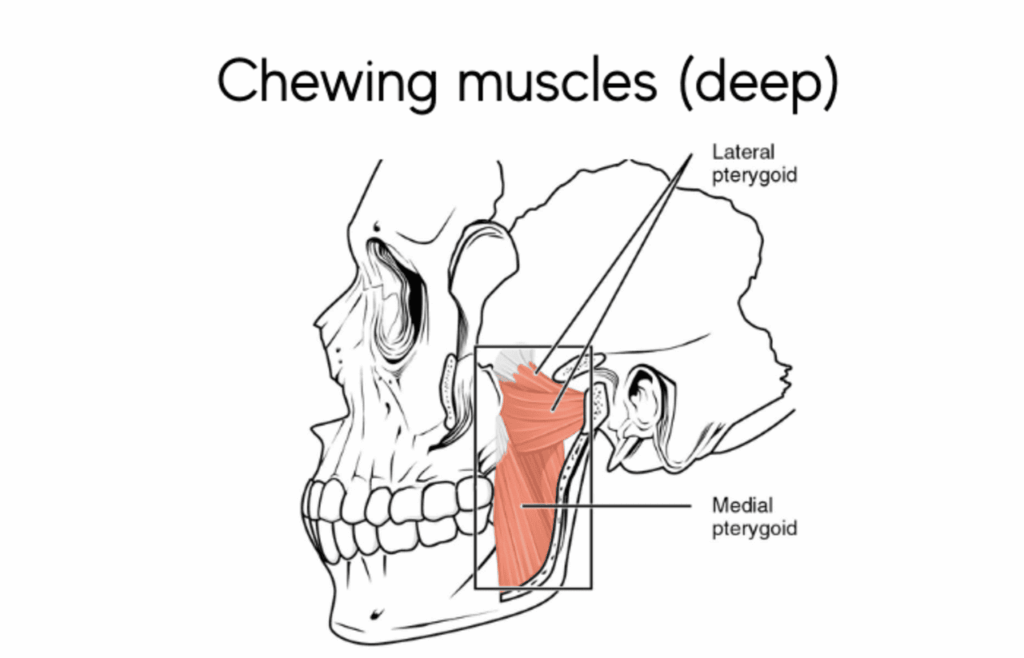
- muscle tension
- clenching or grinding
- neck dysfunction
- posture and upper body tension
- breathing patterns
- overall sensitivity in the area
Jaw Clicking Does Not Always Need Treatment
Some people have a clicking jaw without pain, locking, or difficulty eating and talking. In those cases, the clicking may reflect a change in how the joint and disc are moving, but not necessarily a problem that needs treatment right away.
You may not need physiotherapy right away if:
- the clicking is not painful
- your jaw opens fully
- it does not lock or catch
- eating and talking feel normal
- it is not getting worse over time
In these cases, the clicking may simply be something to monitor.
Another reassuring point is that, in many people, jaw clicking stays fairly stable over time and may even improve. It is much less important than whether the jaw is painful, limited, or affecting daily life.
A noisy jaw is not always a painful or serious jaw.
If the clicking is painful, comes with locking, or starts affecting chewing, talking, headaches, or comfort, that is when it becomes more worth assessing.
Why Some Clicking Becomes Painful
The click itself is not usually the main problem. The environment around the joint is.
Pain is more likely when:
- chewing or clenching load the area more than it can currently tolerate
- the muscles around the jaw become overactive
- poor sleep or stress keeps the system more sensitive
- the neck and jaw are both contributing to tension and irritation
- the joint or surrounding tissues become overloaded
This is why two people can have the same click, but only one has pain.
Why the Neck and Jaw Often Go Together
The jaw does not work in isolation.
The TMJ is closely connected to the muscles and movement of the neck, upper back, tongue, rib cage, and face. People with TMJ symptoms often also have:
- neck pain
- headaches
- facial tension
- upper shoulder tightness
- clenching or grinding habits
This is one reason TMJ issues can feel stubborn. The disc may be part of the story, but the surrounding muscle system, posture, breathing, sleep, and tension patterns are often just as important.
That is also why treatment should not focus only on the jaw joint itself.
When Should You Get It Assessed?
It is worth getting your jaw assessed if:
- clicking is painful
- your jaw feels stuck, catches, or locks
- you cannot open fully or comfortably
- chewing, talking, or yawning is uncomfortable
- you also get headaches, neck pain, or facial tension
- the problem is affecting sleep or daily comfort
- symptoms are not settling
A proper assessment can help determine whether the main driver is the joint, the disc, the muscles, the neck, clenching habits, or a mix of several factors.
How Physiotherapy Can Help
Physiotherapy for TMJ looks at more than whether the jaw clicks.
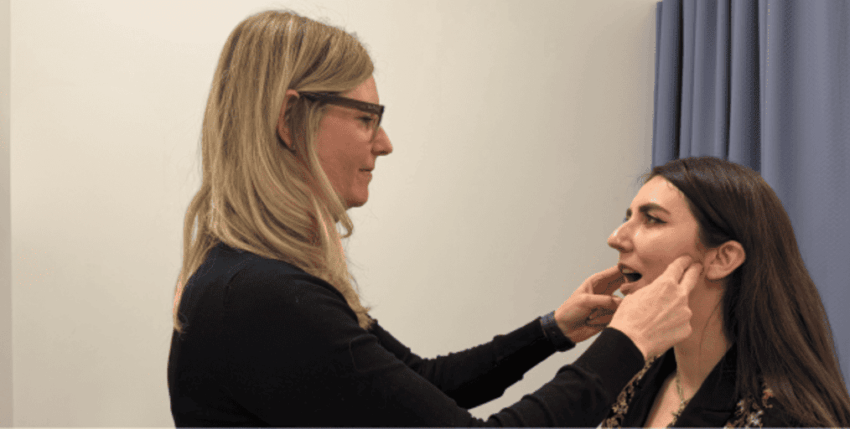
At Avenue Physio, we assess how the joints, discs, muscles, neck, posture, breathing, and movement patterns are working together. The goal is to understand what is driving your symptoms and build a plan around that.
Treatment may include:
- improving jaw opening and closing mechanics
- reducing tension in the jaw, face, and neck muscles
- helping calm irritated joint structures
- improving neck and upper back mobility
- addressing clenching or grinding habits
- retraining movement and muscle coordination
- guiding exercises to improve control and confidence
- helping you manage flare ups and daily aggravating factors
The goal is not just to make the click quieter. It is to help your jaw work better, feel less sensitive, and become more comfortable with eating, speaking, and daily life.
 Skip to content