What Else Can Cause Pain Near the Ear?
TMJ is a common cause, but it is not the only one.
Other causes can include:
- muscle tension in the jaw and neck
- dental problems
- sinus-related pressure
- true ear conditions
- referred pain from the upper neck
This matters because pain location alone does not tell you the whole story. Two problems can feel similar in the same area, but need different management.
Clues That the Jaw May Be Involved
Jaw pain near the ear is more likely to be TMJ-related when:
- it is aggravated by chewing
- talking makes it worse
- yawning or opening wide is painful
- you notice clicking or popping
- the jaw feels stiff or tired
- symptoms are worse after clenching or grinding
- you also have headaches, facial tension, or neck tightness
These findings do not prove it is TMJ, but they do make the jaw a more likely contributor.
When It Becomes More Important
Not every ache near the ear needs treatment. Some symptoms settle on their own, especially if they are mild and short-lived.
It becomes more important to assess when:
- pain keeps coming back
- chewing becomes uncomfortable
- the jaw clicks and is painful
- the jaw catches or locks
- opening is limited
- symptoms are affecting sleep, eating, or talking
- you are not sure whether the problem is the jaw, neck, ear, or something else
The key question is not just where the pain is. It is what structure or combination of structures is driving it.
Why Some Jaw Pain Near the Ear Becomes More Persistent
Pain near the ear tends to become more persistent when the system is repeatedly irritated.
That can happen with:
- frequent clenching or grinding
- high chewing load
- poor sleep
- stress-related muscle tension
- reduced neck mobility
- headaches or upper cervical irritation
- a jaw that is already moving less efficiently
This is one reason symptoms can feel inconsistent. Some days the joint is quiet, and other days the muscles or surrounding tissues are much more reactive.
How Physiotherapy Can Help
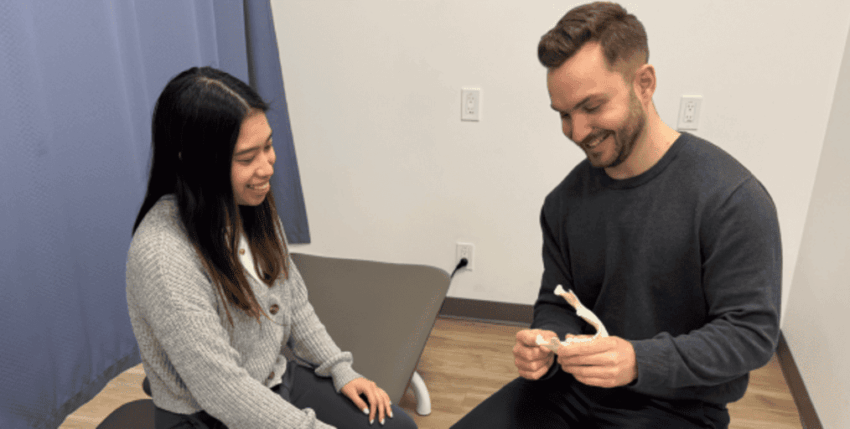
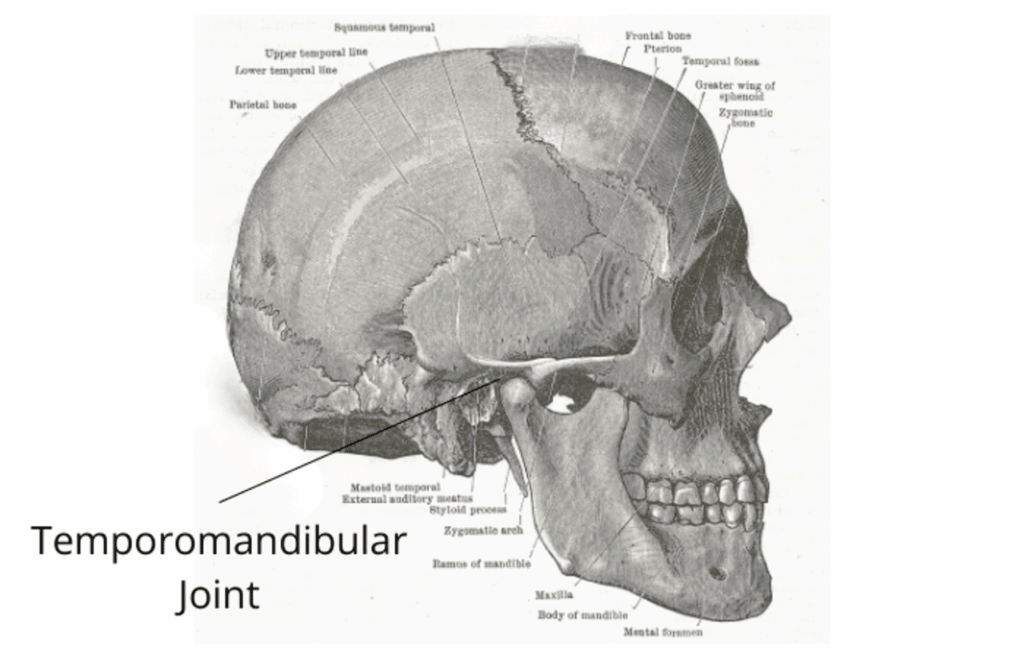
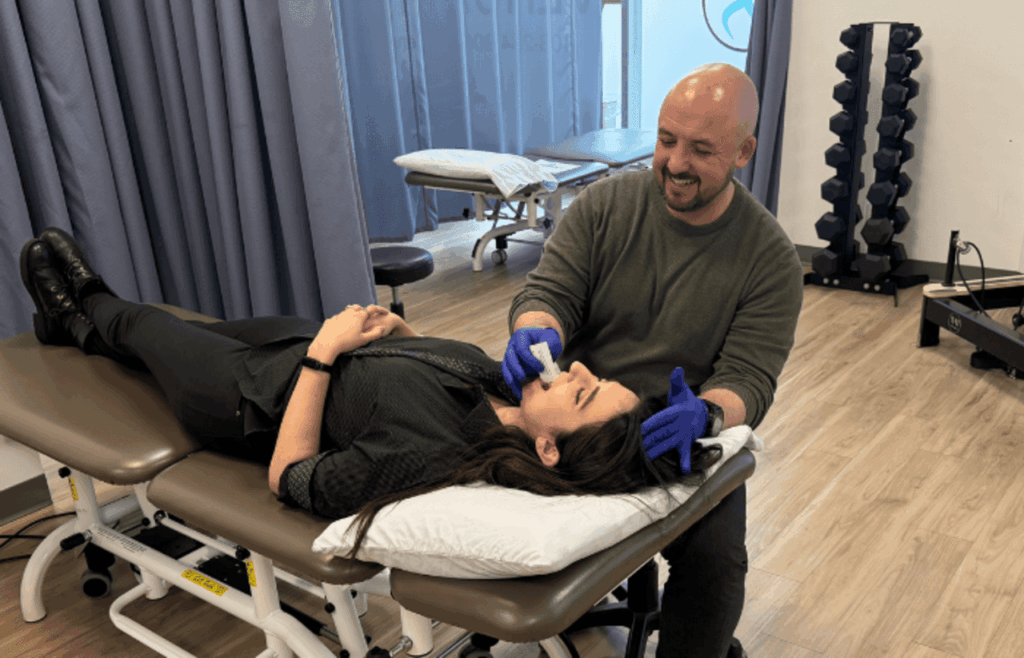
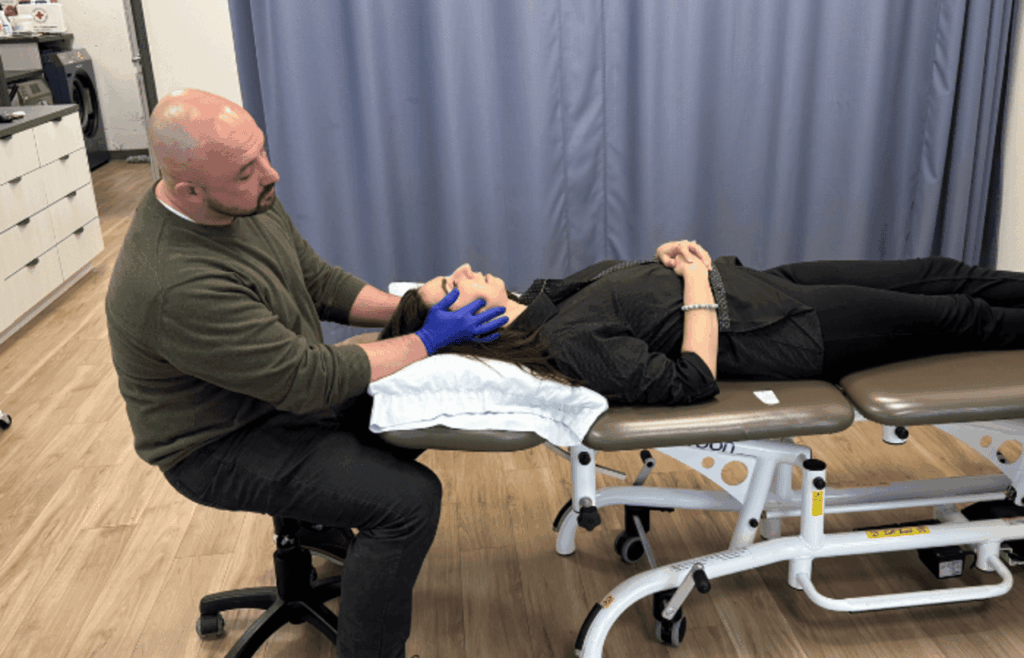
A good physiotherapy assessment looks at more than the painful spot. It considers the TMJ, the disc, the muscles, the neck, posture, breathing patterns, and how the jaw is actually moving.
Treatment may include:
- improving jaw opening and closing mechanics
- reducing tension in the jaw, face, and neck
- calming irritated joint or muscle structures
- improving neck and upper back mobility
- addressing clenching or grinding habits
- guiding exercises to improve movement control
- helping manage flare ups and aggravating factors
The goal is to understand what is driving the pain and help the jaw and neck work more comfortably together.
 Skip to content