Reduce buttock pain, calm nerve irritation, and move with confidence.
At Avenue Physio in downtown Calgary, we provide one-on-one physiotherapy for deep gluteal pain, a condition that can cause pain deep in the buttocks and sometimes symptoms that feel similar to sciatica.
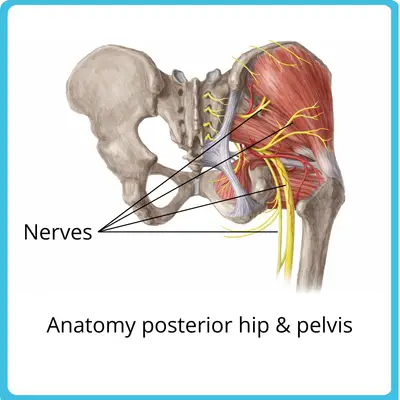
Deep gluteal pain occurs when the sciatic nerve becomes irritated as it travels through the muscles of the buttocks. This condition was previously called piriformis syndrome, but research now recognizes that several muscles and tissues in the deep gluteal region may contribute to nerve irritation.
Our goal is to identify what is contributing to your symptoms and guide you through a structured plan to restore comfortable movement and reduce nerve sensitivity.
What Is Deep Gluteal Pain
Deep gluteal pain refers to irritation of structures in the deep buttock region that can affect the sciatic nerve as it travels through the hip.
The sciatic nerve passes through several muscles in the back of the hip before continuing down the leg. When these muscles become overloaded or sensitive, they can irritate the nerve and cause pain deep in the buttocks.
Several structures in the deep gluteal region may contribute to symptoms, including:
The piriformis muscle
The obturator internus
The gemelli muscles
The quadratus femoris
Surrounding connective tissue
Because multiple structures can be involved, the term deep gluteal pain or deep gluteal syndrome is now commonly used instead of piriformis syndrome.
Pain is typically related to sensitivity in the surrounding muscles and irritation of the nerve rather than structural damage.
Common Symptoms Of Deep Gluteal Pain
People with deep gluteal pain often notice:
Pain deep in the buttocks
Pain when sitting for long periods
Discomfort when getting up from sitting
Symptoms that may travel toward the back of the thigh
Pain during running, hills, or prolonged walking
Tightness in the deep hip muscles
Symptoms often fluctuate depending on sitting time, activity levels, and how the hip is loaded.
Why Deep Gluteal Pain Develops
The muscles in the deep gluteal region help control hip rotation and stabilize the pelvis during walking and running.
Symptoms often develop when the load placed on these muscles exceeds what they are prepared to tolerate or when prolonged positions increase irritation around the sciatic nerve.
Contributing factors may include:
Prolonged sitting
Sudden increases in running or activity
Reduced hip strength or endurance
Limited hip control during movement
Reduced recovery between activities
When the surrounding muscles become sensitive or overloaded, the sciatic nerve may also become irritated, producing buttock pain and sometimes symptoms into the thigh.
Important Facts About Hip And Buttock Pain
The hip and surrounding muscles are strong and adaptable structures.
Imaging findings such as labral tears, tendon changes, or arthritis are common and do not always explain symptoms.
Pain in the buttock region is often related to sensitivity in muscles or nerves rather than structural damage.
Graduated movement and strengthening help restore tolerance in the muscles around the hip and reduce irritation around the nerve.
Avoiding movement completely can reduce strength and increase sensitivity over time.
With the right rehabilitation approach, most people improve without injections or surgery.
How Physiotherapy Helps Deep Gluteal Pain
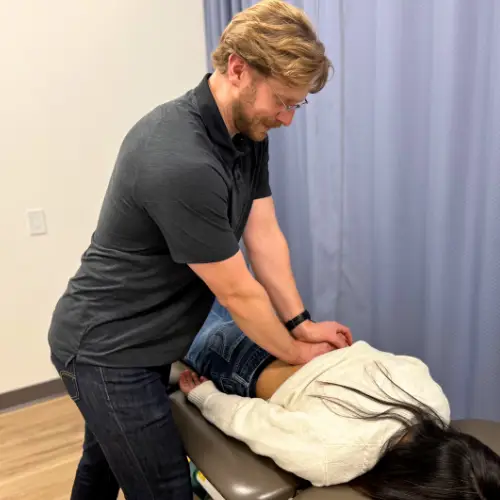
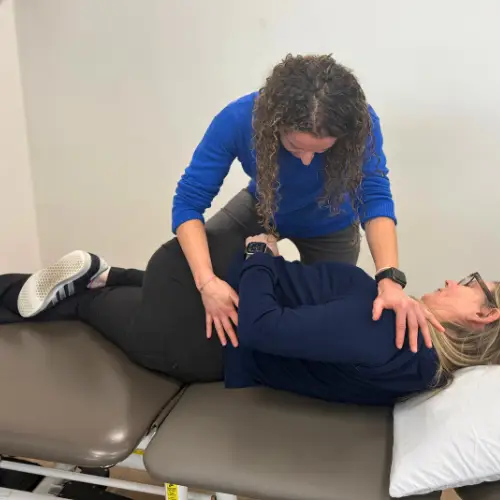
Physiotherapy focuses on reducing irritation around the sciatic nerve and improving how the hip muscles support movement.
At Avenue Physio, every appointment is one-on-one and focused entirely on you.
Your treatment plan may include:
A detailed assessment of the hip, pelvis, and lower back
Exercises to improve gluteal strength and hip stability
Strategies to reduce irritation around the sciatic nerve
Gradual progression of walking, running, or sitting tolerance
Movement coaching for daily activities and exercise
Education to help you understand nerve-related pain
With the right progression, most people return to comfortable sitting, walking, and exercise.
Pain in the buttocks or down the back of the leg is often described as sciatica. In some cases, this pain comes from irritation of a nerve in the lower back. In other cases, the irritation occurs in the deep gluteal region as the sciatic nerve travels through the hip.
Deep gluteal pain involves irritation of the sciatic nerve in the buttock region rather than compression of the nerve at the spine.
While the symptoms can feel similar, there are often important differences.
Deep gluteal pain commonly involves:
Pain deep in the buttocks
Pain that worsens with sitting
Tenderness in the buttock muscles
Symptoms that improve when standing or walking
Minimal or no lower back pain
Sciatica originating from the lower back more often involves:
Lower back pain with leg symptoms
Pain that travels further down the leg
Numbness or tingling below the knee
Symptoms that change with spinal movement
Because these conditions can feel similar, a careful physiotherapy assessment looks at both the hip and the lower back to determine what is contributing to your symptoms.
Identifying the true source of irritation allows treatment to focus on the most effective approach.
How Long Does Recovery Take
Recovery from deep gluteal pain often occurs gradually as irritation around the sciatic nerve settles and the surrounding hip muscles become stronger and more tolerant of load.
Many people begin to notice improvement within several weeks once aggravating positions are modified and strengthening exercises are introduced. Sitting tolerance, walking comfort, and exercise capacity typically improve progressively as the hip muscles regain strength and control.
Symptoms that have been present for a longer period may take more time to fully settle, particularly if the nerve has remained sensitive for several months.
A structured physiotherapy plan helps guide safe progression, restore hip strength, and reduce the likelihood of symptoms returning.
When Should You See A Physiotherapist
You should consider an assessment if:
Buttock pain is limiting sitting or daily activities
Symptoms feel similar to sciatica but begin in the buttocks
Pain persists for several weeks
Symptoms interfere with sleep or exercise
You are unsure whether the activity is safe
Early guidance can help reduce nerve irritation and restore comfortable movement.
Ready to Get Started
If deep buttock pain or nerve irritation is limiting your sitting, walking, or exercise, we are here to help you find a clear path forward.
Same-day appointments & Direct billing available.n
Located in Stephen Avenue Place, connected to Calgaryu2019s Plus-15 network
Downtown Calgary | 100% One-on-One Care | Trusted since 1984

 Skip to content