Reduce outer hip pain, restore strength, and move with confidence.
At Avenue Physio in downtown Calgary, we provide one on one, evidence based physiotherapy for gluteal tendinopathy, a common cause of pain on the outside of the hip.
If pain on the side of your hip is making it uncomfortable to walk, sleep on your side, or climb stairs, we help identify what is contributing to your symptoms and guide you through a structured rehabilitation plan.
Most people improve significantly with progressive strengthening and careful load management.
What Is Gluteal Tendinopathy
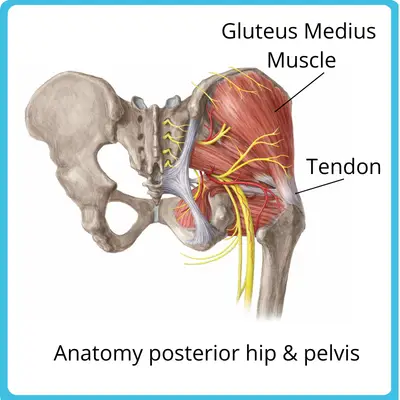
Gluteal tendinopathy refers to irritation of the tendons that attach the gluteal muscles to the outside of the hip.
These tendons help stabilize the pelvis during walking and support the hip when standing on one leg.
When the load placed on these tendons exceeds what they are prepared to tolerate, they can become sensitive and painful.
This condition is sometimes referred to as greater trochanteric pain syndrome.
Pain is often influenced by tendon load, compression around the hip, and muscle strength rather than structural damage.
Common Symptoms Of Gluteal Tendinopathy
People with gluteal tendinopathy often notice:
Pain on the outside of the hip
Pain when lying on the affected side
Discomfort with walking longer distances
Pain with climbing stairs or hills
Tenderness when pressing the side of the hip
Pain when standing on one leg
Symptoms often fluctuate depending on activity levels and how the hip is loaded.
Why Gluteal Tendons Become Painful
The gluteal tendons experience load during everyday activities such as walking, standing, and climbing stairs.
Symptoms often develop when the forces placed on the tendon exceed what it can tolerate.
Compression of the tendon against the hip bone can also increase irritation.
Certain positions increase compressive load around the hip, including:
Standing with the hip dropped to one side
Crossing the legs
Sitting with knees together for long periods
Sleeping directly on the painful side
Improving muscle strength and modifying these positions often helps reduce irritation.
Important Facts About Hip Pain
The hip is a strong and stable joint designed to tolerate significant load.
Imaging findings such as tendon changes, labral tears, or arthritis are common, even in people without pain. Scan results alone do not determine how your hip will feel or function.
Hip pain is often related to load sensitivity in muscles and tendons rather than structural damage.
Graduated strengthening and movement are safe and beneficial for tendon health. Appropriate loading helps the tendon adapt and become more resilient.
Avoiding movement completely can reduce strength and increase sensitivity over time.
Positions That Can Irritate Gluteal Tendons
Certain positions place higher compressive forces on the outside of the hip.
Reducing these positions during early rehabilitation can help symptoms settle.
Examples include:
Crossing the legs while sitting
Standing with most weight on one hip
Sleeping directly on the painful side without support
Sitting with the knees tightly together
Small adjustments, such as using a pillow between the knees or keeping the hips level while standing, can reduce compression and irritation.
How Physiotherapy Helps Gluteal Tendinopathy
Physiotherapy focuses on restoring the ability of the tendon and surrounding muscles to tolerate load.
At Avenue Physio, every appointment is one-on-one and focused entirely on you.
Your treatment plan may include:
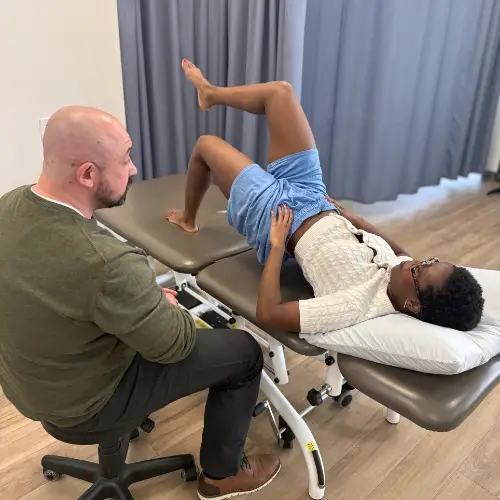
A detailed assessment of the hip, pelvis, and lower back
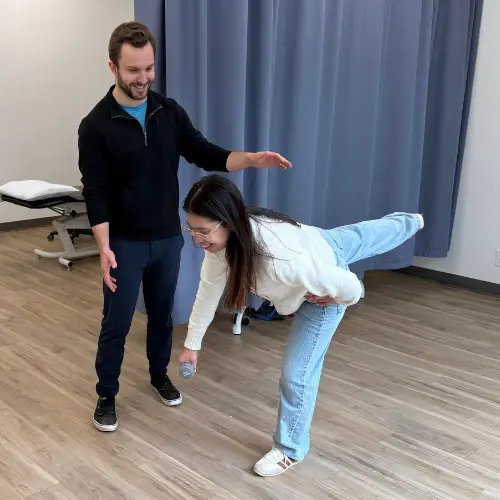
Progressive strengthening of the gluteal muscles
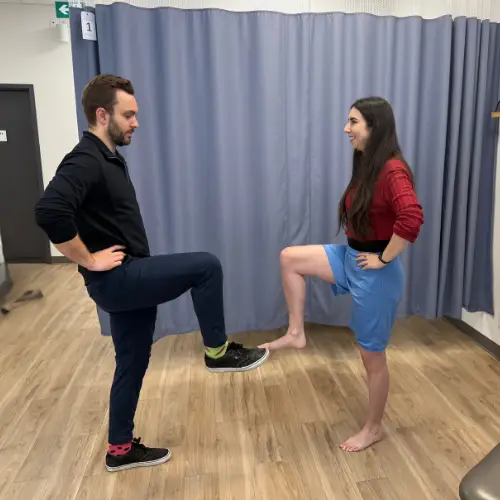
Exercises to improve pelvic stability during walking
Strategies to reduce excessive tendon compression
Gradual return to walking, hills, and exercise
Education to help you understand tendon pain and recovery
With the right progression, most people return to comfortable walking, sleeping, and exercise.

 Skip to content