Reduce knee pain, rebuild strength, and return to running and activity with confidence.
At Avenue Physio in downtown Calgary, we provide one-on-one physiotherapy for patellofemoral pain, often called runner’s knee. Our approach focuses on improving strength, restoring load tolerance, and helping the knee move comfortably during activities such as running, stairs, squatting, and sports.
Runner’s knee is one of the most common knee conditions affecting active individuals, but it can also affect people who sit frequently, climb stairs often, or have recently increased their activity levels.
With the right strengthening and movement progression, most people recover well and return to their preferred activities.
What Is Runner’s Knee
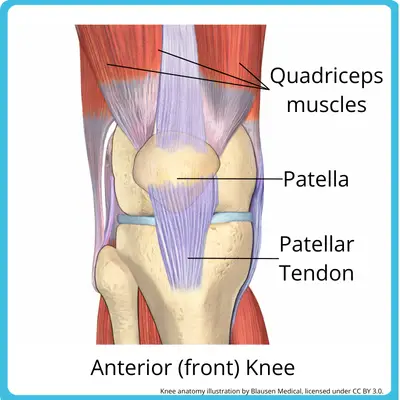
Runner’s knee refers to pain around or behind the kneecap (patella). The medical term is patellofemoral pain syndrome.
The kneecap sits within a groove at the front of the thigh bone and helps the quadriceps muscle generate force when you walk, climb stairs, squat, or run.
When the load placed on the kneecap exceeds what the surrounding muscles can currently support, the joint can become sensitive and painful.
This does not mean the knee is damaged. In many cases the joint simply needs improved strength and gradual load progression.
Common Symptoms of Runner’s Knee
Pain around or behind the kneecap
Pain going down stairs or hills
Pain with squatting or lunging
Discomfort after sitting for long periods
Pain with running, jumping, or sport
Occasional clicking or grinding sensations
Symptoms often fluctuate depending on activity levels. A temporary increase in symptoms usually reflects increased load rather than structural damage.
Why Runner’s Knee Develops
Patellofemoral pain rarely has a single cause. It usually develops when several factors combine to increase load on the kneecap.
Common contributing factors include:
Reduced quadriceps strength
Hip muscle weakness affecting knee control
Sudden increases in running or training volume
Changes in training surfaces or footwear
Reduced recovery between activities
Decreased movement confidence after previous injury
The knee joint is designed to tolerate significant load. Physiotherapy focuses on restoring the strength and control needed for the knee to handle those loads again.
Strength and Movement Are Key to Recovery
Research consistently shows that exercise therapy is the most effective treatment for patellofemoral pain.
Strengthening the quadriceps and hip muscles helps improve how forces move through the knee during walking, running, and stair climbing.
Movement retraining can also help reduce excessive stress on the kneecap during activities such as squatting or running.
With progressive strengthening, most people regain comfortable movement and return to activity.
A Clear Plan Changes Recovery
Runner’s knee can feel frustrating, especially when pain appears during everyday movements such as stairs or squatting.
Many people worry that the kneecap is “wearing out” or moving incorrectly. In most cases, the issue is not structural damage but reduced load tolerance.
The goal of physiotherapy is to gradually rebuild the strength and control that allow the knee to tolerate activity again.
With the right progression, most people return to running, hiking, and sports without ongoing pain.
Many people improve within several weeks with consistent strengthening. Long standing symptoms may take longer but usually respond well to rehabilitation.

 Skip to content