Reduce forefoot pain, restore foot strength, and return to comfortable walking.
At Avenue Physio in downtown Calgary, we provide one-on-one physiotherapy for metatarsalgia and forefoot pain. Our approach focuses on improving how the foot distributes pressure during walking and building strength in the foot and lower leg to support comfortable movement.
Pain in the ball of the foot can make walking, standing, or exercise uncomfortable. With the right rehabilitation plan and gradual strengthening, most people experience meaningful improvement and return to their normal activities.
What Is Metatarsalgia
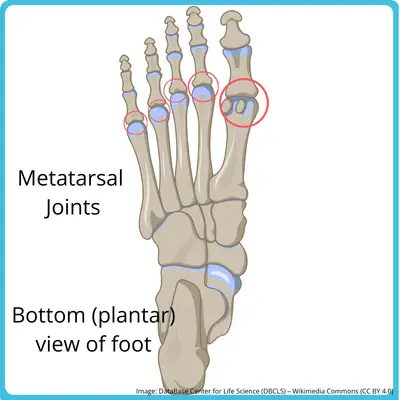
Metatarsalgia refers to pain in the ball of the foot, typically around the metatarsal heads near the base of the toes.
This area of the foot absorbs significant load during walking, running, and standing. When the tissues in the forefoot are exposed to more pressure than they are prepared to tolerate, irritation and pain can develop.
Metatarsalgia does not usually involve a single injured structure. Instead, it often reflects increased pressure and load through the forefoot during movement.
Improving how the foot distributes pressure and strengthening the muscles that support the arch can help reduce symptoms.
Common Symptoms of Metatarsalgia
Pain in the ball of the foot
Discomfort when walking or standing for long periods
Pain that increases with running or jumping
Tenderness under the forefoot
A sensation of pressure under the toes
Symptoms that improve with rest or removing shoes
Symptoms may fluctuate depending on activity level, footwear, and time spent on your feet.
Why Metatarsalgia Develops
Metatarsalgia often develops when increased pressure is placed on the forefoot during walking or standing.
Common contributing factors include:
Increased walking or running volume
Footwear that concentrates pressure on the forefoot
High heels or rigid shoes
Reduced strength of the small muscles of the foot
Reduced ankle mobility
Altered walking or running mechanics
When the muscles of the foot and lower leg are not supporting the arch effectively, more load may be transferred to the metatarsal heads. Over time, this increased pressure can irritate the tissues in the forefoot. Strengthening the foot and improving how the foot manages load can help reduce irritation and improve tolerance to activity.
How Physiotherapy Helps Metatarsalgia
At Avenue Physio every appointment is one on one and focused entirely on you.
Your treatment plan may include:
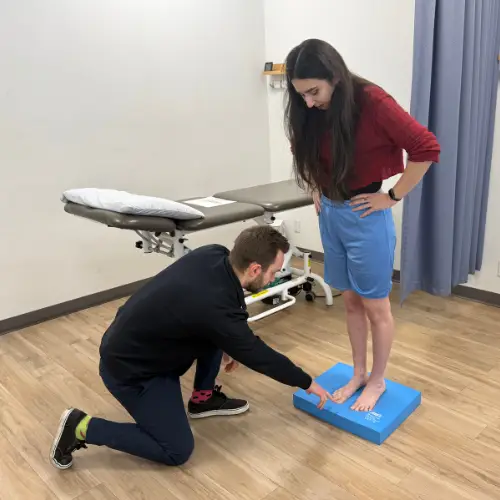
A detailed assessment of the foot, ankle, and walking mechanics
evaluation of forefoot loading patterns
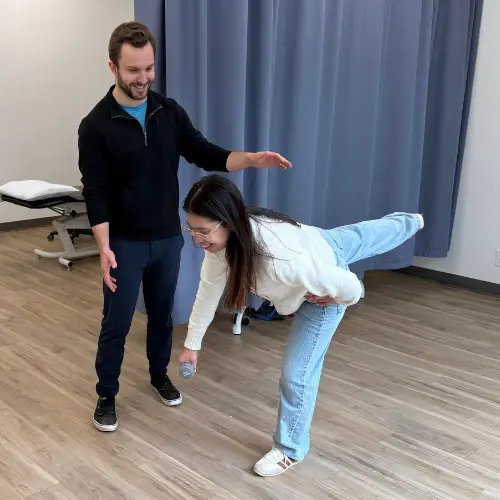
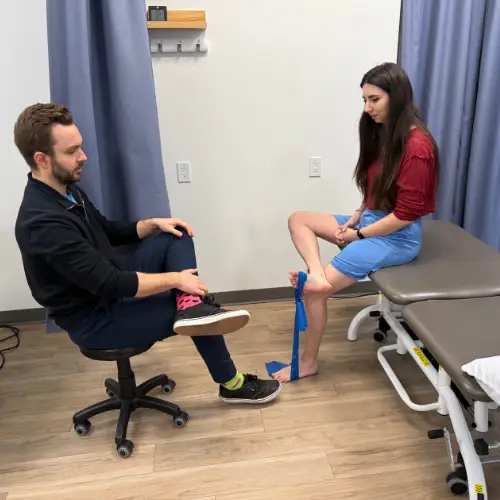
strengthening exercises for the foot and calf muscles
strategies to reduce pressure on the forefoot
gradual return to walking, running, or activity
education to help you understand your symptoms and recovery
Improving foot strength and movement control helps distribute pressure more evenly across the foot during walking.
How Long Does Recovery Take
Recovery timelines vary depending on symptom duration and activity demands.
Many people notice improvement within several weeks once pressure on the forefoot is reduced and strengthening exercises begin.
Longer-standing symptoms may take more time to settle, particularly if irritation has been present for several months.
Gradual strengthening and activity progression help improve long-term tolerance to walking and exercise.
Do I Need Imaging
Most cases of metatarsalgia can be assessed and treated without imaging.
Your physiotherapist will evaluate your symptoms and determine if imaging is necessary. Imaging may be recommended if symptoms suggest a stress fracture or another structural condition in the forefoot.

 Skip to content