Helping Calgarians reduce hip pain, restore strength, and move with confidence.
At Avenue Physio in downtown Calgary, located in Stephen Avenue Place, our experienced physiotherapists provide one-on-one, evidence-based care to help reduce hip pain, restore comfortable movement, and support long-term recovery. For more than 40 years, we have helped people return to walking, work, sport, and daily life with confidence through individualized physiotherapy care.
Hip pain can affect sitting, walking, sleeping, exercising, and simple movements like getting in and out of a car. Our goal is not just to reduce symptoms, but to help you understand what is contributing to your pain and build lasting resilience in how your hip moves and loads.
Hip pain can arise from several different structures, including muscles, tendons, bursae, or the hip joint itself. Common diagnoses include hip osteoarthritis, hip impingement, labral tears, and gluteal tendinopathy.
Fast Facts About Hip Pain
Hip pain can come from joints, tendons, muscles, or nearby structures:
Pain does not always mean structural damage
Imaging findings such as labral tears or arthritis are common and do not always explain symptoms
Hips respond best to progressive movement and strengthening
Most people improve without injections or surgery
Understanding Hip Pain
Hip pain can develop in different ways. For some people, symptoms begin after a specific injury, fall, or sudden change in activity. For others, pain develops gradually over time with walking, running, prolonged sitting, or repeated loading.
The hip is a strong, adaptable joint designed to tolerate load. When the demands placed on it exceed what it is currently able to handle, tissues such as cartilage, tendons, or surrounding muscles can become sensitive and painful. This does not automatically mean the hip is damaged or worn out. It often means the system needs the right balance of loading, recovery, and support to adapt.
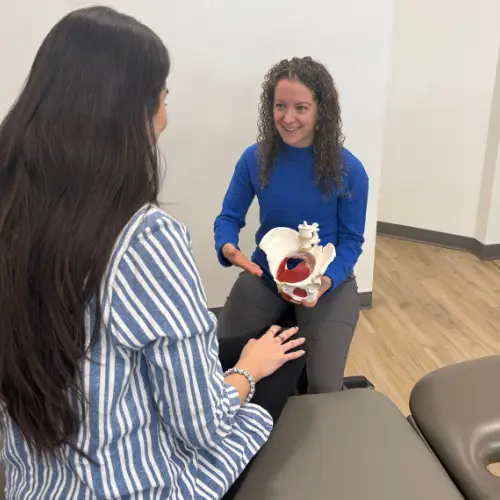
Hip symptoms can also be influenced by how the pelvis, lower back, and surrounding muscles are functioning. That is why our physiotherapy assessment looks at the whole movement system rather than focusing on the hip in isolation.
Important Facts About Hip Pain
The hip is a strong and stable joint designed to tolerate significant load.
Imaging findings such as labral tears, gluteal tendon changes, or osteoarthritis are common, even in people without pain. Scan results alone do not determine how your hip will feel or function.
Hip pain is often related to load sensitivity in muscles, tendons, bursae, or joint structures rather than structural damage.
Graduated movement and strengthening are safe and beneficial for most hip conditions. Appropriate loading helps the hip adapt and become more resilient.
Avoiding movement for long periods can reduce strength and increase sensitivity unless there has been a clear traumatic injury.
Education, progressive strengthening, and healthy lifestyle habits can significantly reduce hip pain related to conditions such as hip impingement, labral tears, gluteal tendinopathy, and osteoarthritis.
Hip Conditions We Commonly Treat
Hip pain can arise from several different structures. A thorough physiotherapy assessment helps identify what is contributing to your symptoms so treatment can be precise and effective.
Common hip and pelvic conditions we treat include:
Hip osteoarthritis
Femoroacetabular impingement FAI
Labral tears
Gluteal tendinopathy, lateral hip pain
Deep gluteal pain
Hamstring strain or proximal hamstring tendinopathy
Sacroiliac SI joint pain
Recurrent or persistent hip pain
Why Hip Pain Happens
Hip pain is rarely caused by one single factor. It often develops when the load placed on the hip exceeds what the tissues are currently able to tolerate.
Common contributing factors include:
Sudden increases in walking, running, or activity
Repetitive loading without adequate recovery
Reduced hip strength or endurance
Changes in training, work demands, or daily activity
Reduced movement confidence following injury
Contribution from the lower back or pelvis
Nervous system sensitivity
Overall health and recovery also influence how hip tissues respond to load. Factors such as stress, poor sleep, hormonal changes, including menopause, and certain health conditions can increase sensitivity without causing permanent damage.
Understanding which of these factors matter most for you allows physiotherapy to focus on restoring load tolerance, strength, and confident movement.
How Physiotherapy Helps Hip Pain
Physiotherapy is one of the most effective ways to reduce hip pain, restore strength, and prevent recurrence.
At Avenue Physio, every appointment is focused entirely on understanding your symptoms and helping you return to confident movement.
Your personalized treatment plan may include:
A detailed one-on-one assessment of the hip, pelvis, and lower back
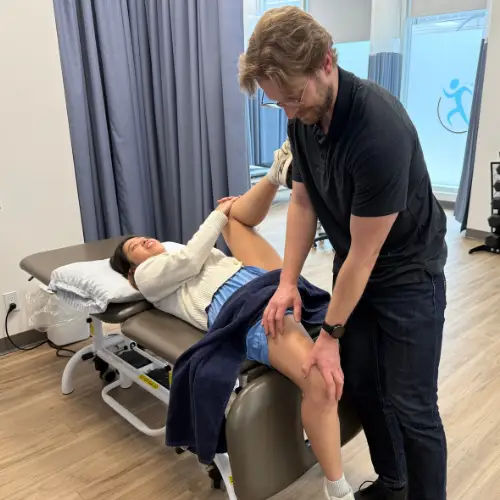
Hands-on care to reduce irritation and restore comfortable movement
Progressive strengthening to improve hip stability and load tolerance
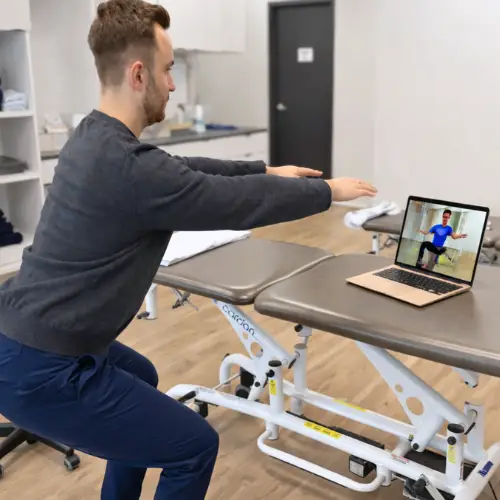
Mobility exercises to support walking, sitting, and sport demands
Movement coaching for daily activities and exercise
Gradual return to activities you may have been avoiding
Clear practical education to help you understand your pain and move with confidence
If your hip pain has been persistent or unpredictable, addressing nervous system sensitivity and confidence in movement can be especially helpful.
In most cases, no. Hip pain can often be assessed and treated effectively without imaging. Imaging is recommended only if it will meaningfully change your plan of care.
Many people notice improvement within weeks, but joint or tendon related hip pain can take longer to fully settle. Consistent rehabilitation helps restore strength, tolerance, and confidence over time.
Yes. Physiotherapy helps reduce pain, improve mobility, and support daily function even when arthritis is present. Imaging findings do not determine how much you can improve.
When Should You See a Physiotherapist for Hip Pain
You should consider an assessment if:
Hip pain is limiting walking, sitting, or exercise
Symptoms are not improving after a few weeks
Pain is interfering with sleep or daily activities
You are unsure whether the activity is safe
Early guidance can often prevent symptoms from becoming persistent.
Ready to Get Started
If hip pain is limiting your walking, sitting, exercise, or daily activities, we are here to help you find a clear plan forward.
Same week appointments available & Direct billing offered.
Located in Stephen Avenue Place, connected to Calgary’s Plus-15 network
Downtown Calgary | 100% One-on-One Care | Trusted since 1984

 Skip to content