Reduce heel pain, restore foot strength, and return to comfortable walking.
At Avenue Physio in downtown Calgary, we provide one on one physiotherapy for heel pain and plantar fasciitis. Our approach focuses on restoring foot strength, improving load tolerance, and helping you return to walking, running, and daily activity with confidence.
Heel pain often causes sharp discomfort with the first steps in the morning and may limit walking, standing, or exercise. With the right rehabilitation plan, most people improve significantly without injections or surgery.
What Is Plantar Fasciitis
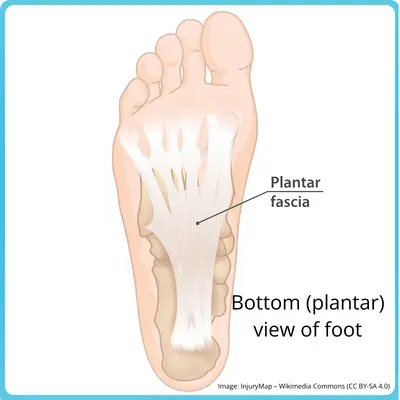
The plantar fascia is a strong band of tissue that runs along the bottom of the foot from the heel to the toes.
It helps support the arch of the foot and plays an important role in walking and running.
The term plantar fasciitis is commonly used to describe pain under the heel. However, research suggests that most cases involve tissue irritation and overload rather than true inflammation.
For this reason, many clinicians now use the term plantar heel pain.
In most cases the plantar fascia has become sensitive to load rather than inflamed or torn. With the right balance of strengthening, movement, and load management, the tissue can adapt and become more tolerant to activity.
Common Symptoms of Plantar Fasciitis
Pain under the heel or along the bottom of the foot
Sharp pain with the first steps in the morning
Pain when standing after sitting or resting
Discomfort during longer periods of walking
Tenderness when pressing on the heel
Symptoms that improve with movement but return later in the day
Symptoms often develop gradually and may fluctuate depending on activity levels.
Why the First Steps in the Morning Hurt
Many people with heel pain notice that the first few steps in the morning are the most painful.
During sleep or periods of rest, the foot is usually relaxed and the plantar fascia shortens slightly. When you stand up and take your first steps, the tissue is suddenly stretched and loaded again, which can create a sharp pain under the heel.
As you continue walking, the tissue warms up and becomes more tolerant to load, so symptoms often improve temporarily. However, the pain may return later in the day after prolonged standing or walking.
Gradually strengthening the foot and calf muscles helps the plantar fascia tolerate load more comfortably over time.
Not All Heel Pain Is Plantar Fasciitis
Although plantar fasciitis is the most common cause of heel pain, several other conditions can produce similar symptoms.
These may include
Irritation of the fat pad under the heel
Achilles tendon irritation
Nerve irritation around the heel
Stress reactions within the heel bone
Referred pain from the ankle or lower limb
Stress reactions in the heel bone can occur when the bone is exposed to repeated loading without enough time to recover. Imaging sometimes describes this as bone marrow edema, which reflects irritation within the bone rather than a fracture.
Because several structures can cause heel pain, a detailed physiotherapy assessment helps determine which tissues are contributing to your symptoms and guides appropriate treatment.
Why Heel Pain Develops
Heel pain often develops when the load placed on the plantar fascia exceeds what the tissue is currently able to tolerate. Common contributing factors include
Sudden increases in walking or running
Prolonged standing on hard surfaces
Reduced strength of the foot and calf muscles
Changes in activity levels
Previous foot or ankle injury
Limited ankle mobility
Like tendons, the plantar fascia responds well to gradual strengthening and controlled loading.
How Physiotherapy Helps Heel Pain
At Avenue Physio every appointment is one on one and focused entirely on you.
Your treatment plan may include:
Detailed assessment of the foot, ankle, and walking mechanics
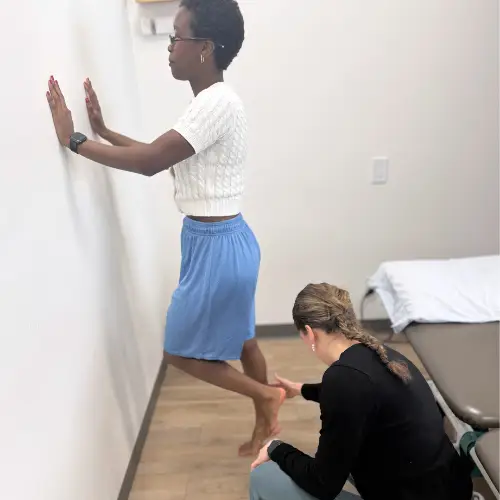
Progressive strengthening for the foot and calf muscles
Load management for walking and standing
Exercises to improve foot and ankle mobility
Gradual return to walking, running, or sport
Education to help you understand heel pain and recovery
Strengthening the muscles of the foot and lower leg helps improve how the foot absorbs load and supports the arch during walking.
Shockwave Therapy for Persistent Heel Pain
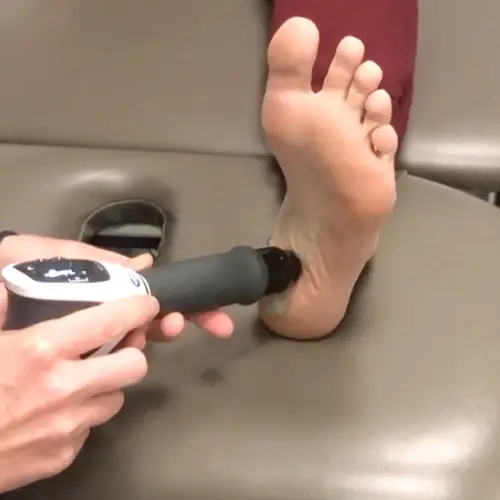
For some people with longer-lasting plantar heel pain, shockwave therapy may be recommended as part of treatment.
Shockwave therapy delivers controlled mechanical pulses to the irritated tissue. Research suggests it may help stimulate healing and reduce pain in some cases of persistent plantar fascia irritation.
Shockwave therapy is typically considered when symptoms have been present for several months and have not improved sufficiently with strengthening and load management alone.
At Avenue Physio, shockwave therapy is used alongside progressive rehabilitation rather than as a stand-alone treatment.
Many people notice improvement within several weeks, but full recovery may take several months depending on how long symptoms have been present.
Consistent strengthening and gradual progression of activity are important for long-term improvement.
Do I Need Imaging or Injections
Most cases of plantar heel pain do not require imaging.
Your physiotherapist will assess your symptoms and determine whether imaging is necessary. Imaging may be recommended if symptoms suggest a stress fracture, significant ligament injury, or another structural concern.
Injections are rarely required. Research shows that exercise-based rehabilitation and progressive loading are effective for most people with heel pain.

 Skip to content