Restore knee strength, stability, and confidence in movement.
At Avenue Physio in downtown Calgary, we provide one-on-one physiotherapy for meniscus-related knee pain. Our approach focuses on improving strength, restoring movement confidence, and helping the knee tolerate daily activity again.
Meniscus symptoms can occur after a sudden injury or develop gradually over time. In many cases, people improve significantly with structured physiotherapy and strengthening.
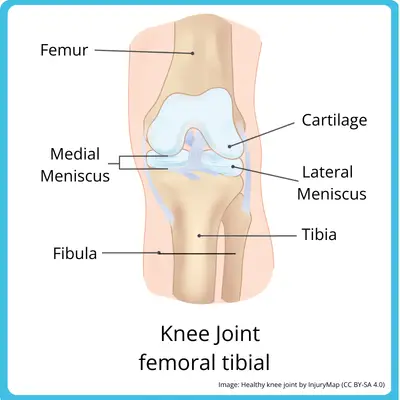
What Is the Meniscus
The knee contains two small cartilage structures called the menisci. They sit between the thigh bone and shin bone and help distribute load through the knee during walking, running, and squatting.
The meniscus also helps provide shock absorption and stability within the joint.
Changes in the meniscus are very common and do not always cause symptoms. Many people have meniscus findings on MRI scans even when their knee feels completely normal.
Understanding the difference between an acute meniscus injury and longer-term degenerative changes helps guide the best treatment approach.
Acute Meniscus Injury
An acute meniscus injury usually occurs during a sudden twisting movement of the knee.
This can happen during sport, stepping awkwardly, or changing direction quickly.
Common symptoms may include:
Knee pain after a twisting movement
Swelling in the knee
Discomfort bending or straightening the knee
Catching or locking sensations
Difficulty squatting or kneeling
Physiotherapy focuses on reducing irritation, restoring movement, and rebuilding strength so the knee can tolerate load again.
Many acute meniscus injuries improve well with rehabilitation.
Degenerative Meniscus Changes
Meniscus changes can also develop gradually over time.
These changes are common after the age of forty and often occur alongside other normal joint changes.
In these situations, pain is rarely caused by the meniscus alone. Symptoms are often influenced by:
Reduced quadriceps strength
Decreased activity levels
Joint sensitivity
Reduced movement confidence
MRI scans frequently show meniscus changes in people who have no knee pain at all.
For this reason, treatment focuses on restoring strength and load tolerance rather than reacting only to imaging findings.
Symptoms of Meniscus Related Knee Pain
Pain with twisting or pivoting
Pain with squatting or kneeling
Swelling in the knee
Stiffness after activity
Clicking or catching sensations
Difficulty fully bending the knee
Symptoms often vary depending on activity levels. A temporary flare-up usually reflects increased load rather than new structural damage.
Do Meniscus Tears Always Need Surgery
In many cases, no.
Research shows that many meniscus injuries improve with physiotherapy focused on strengthening and restoring movement confidence.
Surgery may be considered in certain situations, such as significant mechanical locking or persistent symptoms that do not improve with rehabilitation.
For many people, structured strengthening and gradual return to activity provide excellent outcomes without surgery.
How Physiotherapy Helps Meniscus Injuries
At Avenue Physio, every appointment is one-on-one and focused entirely on you.
Your treatment plan may include:
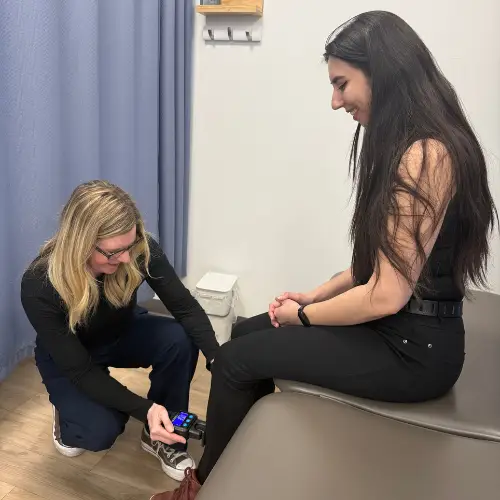
A detailed assessment of the knee, hip, and ankle
Progressive quadriceps strengthening
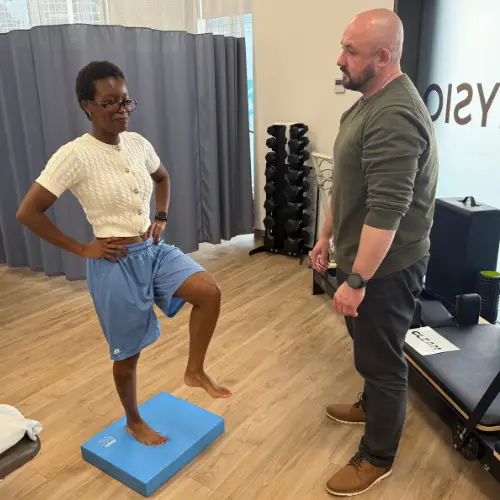
Hip strengthening to improve knee control
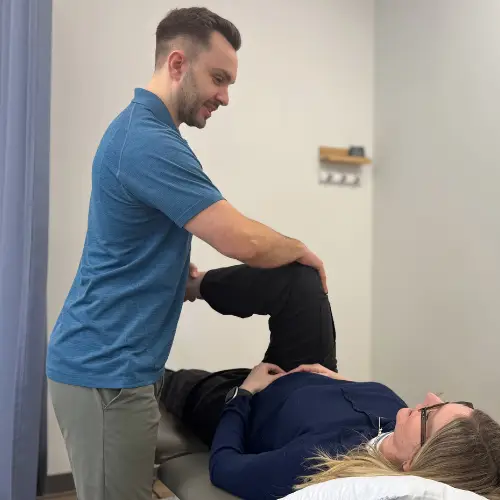
Mobility work to restore comfortable bending and straightening
Swelling management strategies
Movement coaching for squatting and daily activities
Gradual return to sport or activity
If symptoms have persisted for some time, addressing nervous system sensitivity and confidence in movement may also be important.
Managing Activity During Recovery
In many cases, complete rest is not necessary.
Instead, recovery focuses on temporarily modifying activities and gradually rebuilding strength and tolerance.
Strategies may include:
Reducing deep squatting or twisting temporarily
Maintaining strengthening exercises
Gradually increasing walking and activity levels
Restoring confidence in knee movement
This approach helps the knee recover while preventing deconditioning.

 Skip to content