Reduce finger pain, restore smooth movement, and return to comfortable hand use.
At Avenue Physio in downtown Calgary, we provide one on one physiotherapy for trigger finger, a common condition affecting the tendons that bend the fingers. Our treatment focuses on reducing tendon irritation, restoring smooth finger movement, and helping you return to comfortable gripping and hand use.
Trigger finger can make everyday tasks such as gripping objects, typing, or holding tools uncomfortable. With the right rehabilitation approach, many people improve significantly without injections or surgery.
What Is Trigger Finger
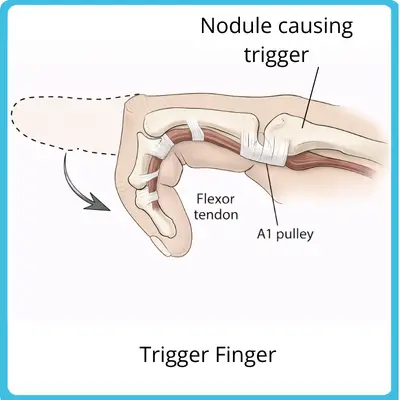
Trigger finger occurs when a flexor tendon in the finger becomes irritated and has difficulty gliding smoothly through its tendon sheath.
The tendons that bend the fingers normally move freely through small tunnels in the hand. When irritation or thickening develops, the tendon may catch or momentarily get stuck as it moves.
This can cause the finger to click, catch, or lock during movement.
Trigger finger most commonly affects the thumb, ring finger, or middle finger, but any finger can be involved.
Common Symptoms of Trigger Finger
Finger catching or clicking during movement
A finger that locks or gets stuck in a bent position
Pain or tenderness at the base of the finger or palm
Stiffness in the finger, especially in the morning
Difficulty fully straightening the finger
Swelling or thickening in the tendon area
Symptoms may start gradually and often worsen with repeated gripping or hand use.
Why Trigger Finger Develops
Trigger finger often develops when the load placed on the finger tendons exceeds what the tissues are currently prepared to tolerate.
Common contributing factors include
Finger catching or clicking during movement
A finger that locks or gets stuck in a bent position
Pain or tenderness at the base of the finger or palm
Stiffness in the finger, especially in the morning
Difficulty fully straightening the finger
Swelling or thickening in the tendon area
Tendons are living tissues that adapt to load. When strengthening and movement are introduced gradually, the tendon can regain smoother movement and improved tolerance.
How Physiotherapy Helps Trigger Finger
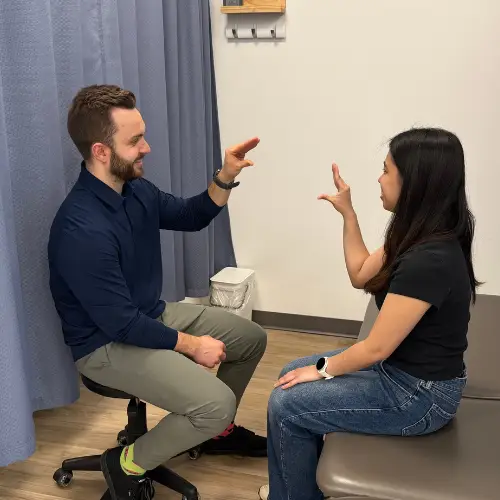
At Avenue Physio every appointment is one on one with your physiotherapist and focused entirely on you.
Your treatment plan may include
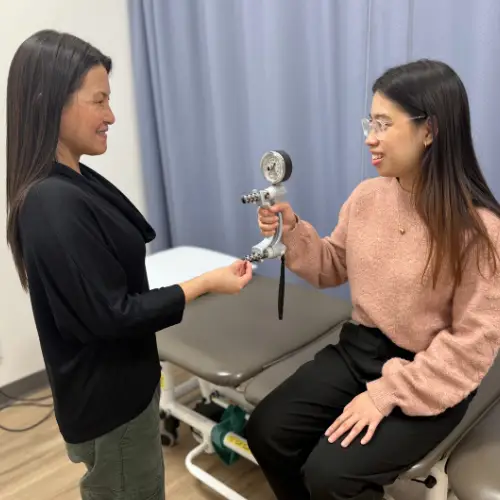
Assessment of finger, hand, and wrist movement
Strategies to reduce tendon irritation during daily activities
Exercises to improve tendon gliding and finger movement
Gradual strengthening of the hand and forearm muscles
Guidance for modifying gripping or repetitive tasks
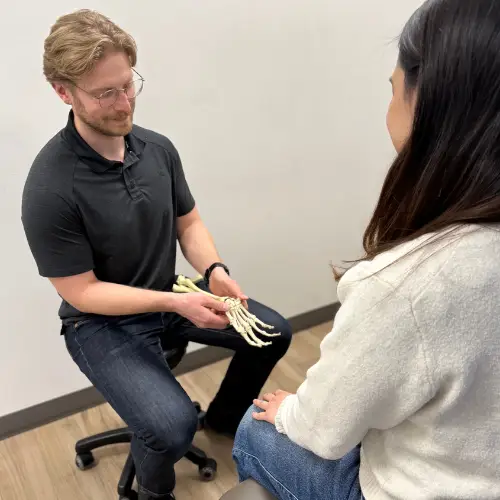
Education to help you understand tendon recovery
Improving how the tendons move and gradually restoring load helps reduce catching and restore comfortable finger motion.
Do I Need an Injection or Surgery
Some people improve with activity modification, splinting, and physiotherapy.
Corticosteroid injections may sometimes be recommended if symptoms persist.
Surgery is typically considered only if the finger continues to lock or symptoms remain severe despite conservative treatment.
Many people improve without surgery once tendon irritation settles and movement improves.
How Long Does RecoveryTake
Many people notice improvement within several weeks once nerve irritation is reduced and movement improves.
Recovery timelines vary depending on symptom duration and activity demands. Consistent rehabilitation supports long term improvement.
Do I Need Injections or Surgery
Many people with wrist or hand arthritis manage symptoms successfully with physiotherapy, strengthening, and activity modification.
Injections may sometimes provide temporary symptom relief but do not improve long term joint capacity.
Surgery is typically considered only when symptoms are severe and significantly limit hand function despite conservative care.
Physiotherapy can also play an important role before or after surgery to restore movement and strength.

 Skip to content