Reduce pain, build strength, and keep moving with confidence.
At Avenue Physio in downtown Calgary, we provide one-on-one, evidence-based physiotherapy for knee osteoarthritis. Our approach focuses on improving strength, restoring load tolerance, and helping you stay active rather than reacting only to imaging findings.
Many people with knee arthritis continue to walk, hike, cycle, travel, and stay active. With the right progression, meaningful improvement is possible.
What Is Knee Osteoarthritis
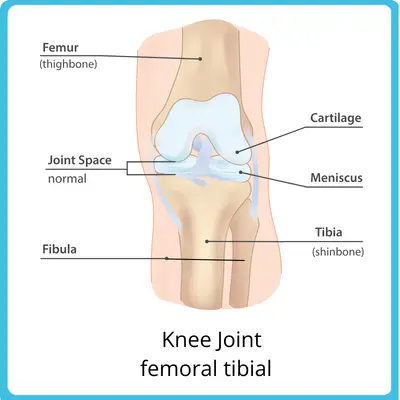
Knee osteoarthritis involves gradual changes in the joint tissues of the knee. These changes are common with age and do not automatically determine how much pain you will experience.
Pain is influenced by muscle strength, inflammation, activity levels, and overall health, not just cartilage thickness on an X-ray.
Even when arthritis is present, the knee remains a living, adaptable joint that responds well to progressive strengthening.
Common Symptoms of Knee Osteoarthritis
Knee pain with walking longer distances
Stiffness in the morning or after sitting
Discomfort going up or down stairs
Pain with squatting or getting up from a chair
Swelling that fluctuates
Clicking or grinding sensations
Symptoms often vary from day to day. A flare up does not necessarily mean the joint has worsened.
Understanding Knee Arthritis and Pain
Pain levels often do not match imaging findings.
Contributing factors commonly include:
Reduced quadriceps and hip strength
Decreased activity levels
Sudden increases in walking or exercise
Avoidance of bending or loading
Stress and poor sleep
General health factors
When strength declines and movement decreases, the knee can become more sensitive.
The solution is not avoiding the load entirely. It is rebuilding tolerance gradually.
Movement Is First Line Treatment
Exercise and education are recommended worldwide as first line treatment for knee osteoarthritis.
Programs such as GLA:D Canada demonstrate meaningful improvements in pain, walking ability, and quality of life.
Long term follow up data shows that approximately 80 to 90 percent of participants in structured strengthening programs do not proceed to joint replacement within the first few years.
At Avenue Physio, we incorporate these principles into your care through progressive strengthening, education, and structured load management.
Knee arthritis can feel limiting, particularly when stairs, walking, or standing become uncomfortable.
You may have been told your knee is “bone on bone.” Even in advanced arthritis, the knee still contains fluid, supportive tissues, and the capacity to adapt.
Pain is influenced by strength, inflammation, and load tolerance, not just joint space narrowing.
With structured progression, most people regain strength, improve walking tolerance, and move more confidently.
You do not need to stop moving. You need a structured plan.
At Avenue Physio, every appointment is one-on-one and focused entirely on you.
Your treatment plan may include:
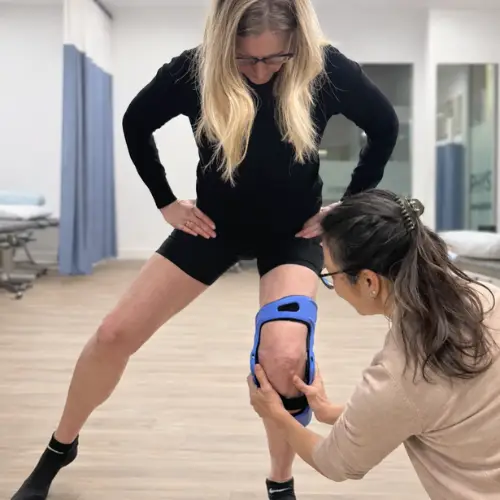
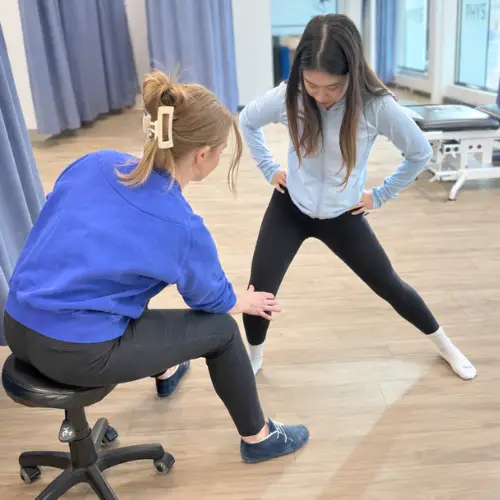
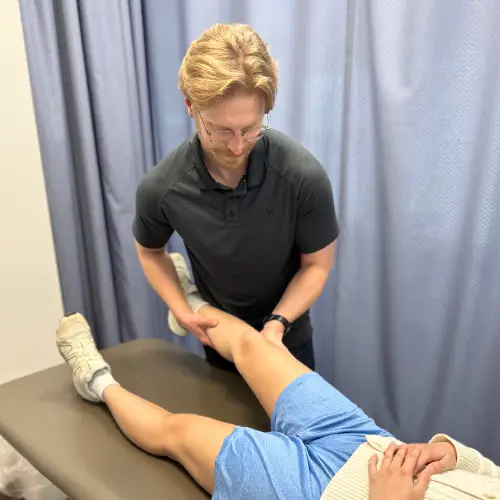
Detailed assessment of the knee, hip, and ankle
Progressive quadriceps strengthening
Gluteal and hip strengthening to improve force distribution
Load progression for stairs and walking
Mobility work where appropriate
Swelling management strategies
Education to reduce fear and build confidence
Structured pacing guidance
If symptoms have been persistent or unpredictable, addressing nervous system sensitivity and confidence in movement can be helpful.
Managing Flare Ups
Flare ups are common with knee osteoarthritis and do not mean permanent worsening.
They often reflect a temporary increase in load.
Flare management may include
Temporarily reducing activity volume
Continuing a gentle range of motion
Maintaining tolerable strengthening
Gradually rebuilding walking tolerance
Learning how to respond calmly prevents the stop start cycle that often prolongs symptoms.
Do I Need an Injection or Surgery
Exercise and education are recommended as first line treatment for knee osteoarthritis.
Structured strengthening programs consistently improve pain and function. Most participants improve enough that surgery is delayed or avoided in the short to medium term.
Injections may provide temporary relief but do not improve the long term strength or capacity of the joint.
Knee replacement surgery can be very effective when symptoms are severe and significantly limiting daily life. Physiotherapy remains important both before and after surgery to optimize outcomes.

 Skip to content