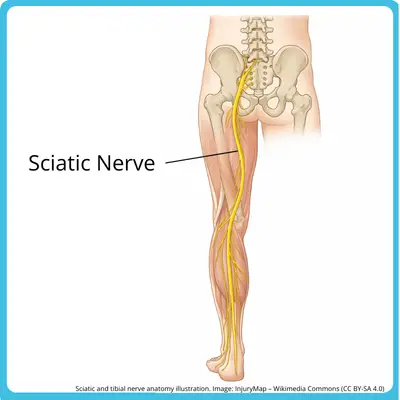
Your nervous system is resilient and built to move. The sciatic nerve, the largest nerve in the body, travels from the lower spine through the buttock and down the leg, helping coordinate strength, sensation, and movement. When this nerve becomes irritated or sensitive, it can cause pain, tingling, burning, or weakness that radiates down the leg and impacts confidence with movement.
At Avenue Physio, our experienced Calgary physiotherapists take the time to understand what is truly driving your nerve pain. We guide you through a clear, evidence-based plan designed to help symptoms settle safely, progressively, and with confidence.
Sciatic nerve pain can be intense and disruptive, but it is often reversible. A one on one physiotherapy assessment can help clarify what is contributing to your symptoms and guide effective treatment.
Understanding Sciatica and Nerve Pain
The sciatic nerve is one of the largest and most robust nerves in the body. It originates from several nerve roots in the lower spine and travels through the buttock and down the back of the leg. Although built to handle pressure and stretch, the nerve can become sensitive when irritated or inflamed.
This sensitivity may develop for several reasons, including:
Disc changes, such as a protrusion or bulge, that irritate nearby nerves
Stiff or irritated joints in the lower back or pelvis
Muscle tension or protective guarding following injury
Prolonged sitting, inactivity, or sudden increases in load
Changes in inflammation, stress, or nervous system sensitivity
When the nerve becomes sensitive, it may react strongly to normal movement or stretch, causing pain, muscle tightening, or protective stiffness. In many cases,
irritation is driven more by inflammation and sensitivity than by constant compression. When true compression occurs, it may lead to numbness, weakness, or changes in reflexes.
Physiotherapists are trained to distinguish between these patterns and recognize when further medical assessment is needed.
Seek urgent medical attention immediately if you experience:
Our goal is to help you move again safely, confidently, and with less pain.
Your Avenue Physio assessment begins with a detailed conversation about how your pain started, what aggravates or eases it, and how it affects your daily life. We then assess your back, hips, and leg movement, along with the sensitivity and function of your nervous system.
From there, we create a personalized treatment plan to calm irritation, restore movement, and rebuild confidence.
Your treatment may include:
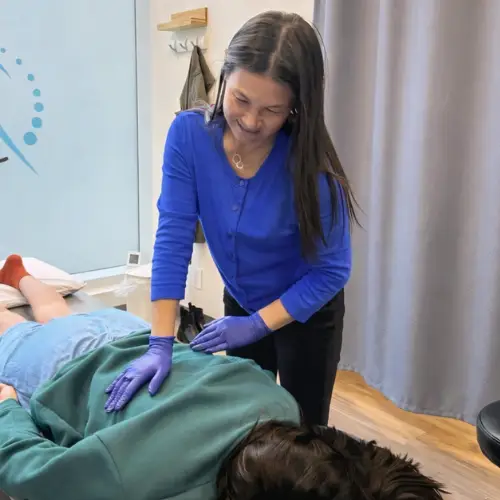
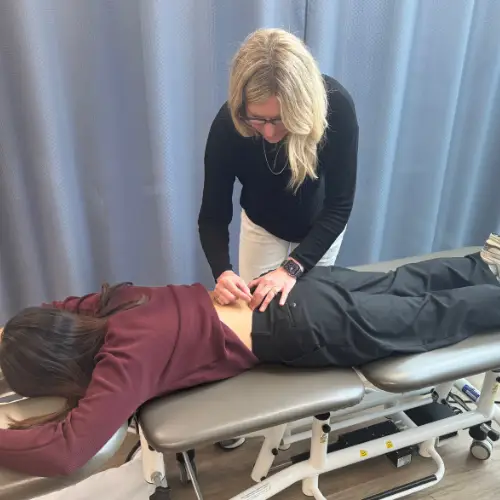
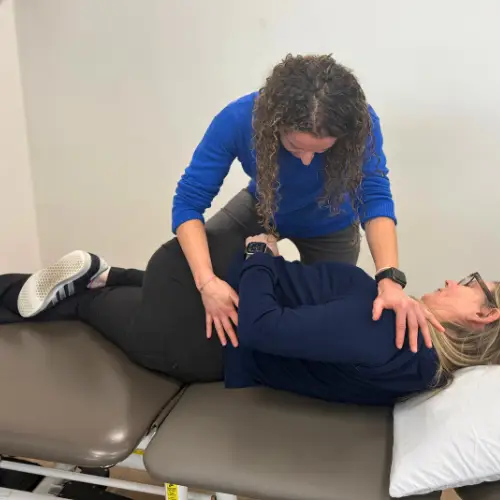
Gentle manual therapy to improve joint and muscle mobility
Nerve movement techniques to reduce sensitivity
Targeted strength and stability training for your back, hips, and core
Education on posture, load management, and how pain works
Relaxation and pacing strategies to prevent flare-ups
Gradual reintroduction to normal activity and exercise
Most people begin noticing positive change within a few sessions as movement improves and the nervous system settles. Over time, strength, control, and confidence return, and flare-ups become less frequent and easier to manage.
If symptoms persist beyond a few months, we may integrate approaches similar to those used in our Chronic (Persistent) Pain program to support long-term improvement and confidence in movement.
Ready to Start Moving Comfortably Again?
If nerve pain is limiting how you sit, sleep, work, or stay active, our downtown Calgary physiotherapists are here to help you find a clear way forward.
Usually not. Your physiotherapist can assess whether imaging is necessary. In most cases, symptoms can be diagnosed and treated effectively without scans.
Recovery varies depending on the cause and severity of the irritation. Some people notice improvement within a few weeks, while others take longer as inflammation settles and strength returns.
Surgery is rarely needed. It is reserved for cases of severe or worsening nerve compression causing significant weakness or bladder changes — and even then, many people still recover well without surgery.
Every recovery starts with understanding and the right plan.
If nerve pain is limiting your movement or affecting your sleep, we’re here to help you take back control and return to the activities that matter most.
Take back control of your movement and confidence.
Located in Stephen Avenue Place, connected to Calgary’s Plus-15 network
Downtown Calgary | 100% One-on-One Care | Trusted since 1984

 Skip to content