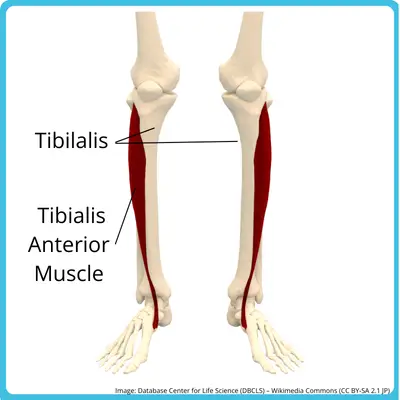
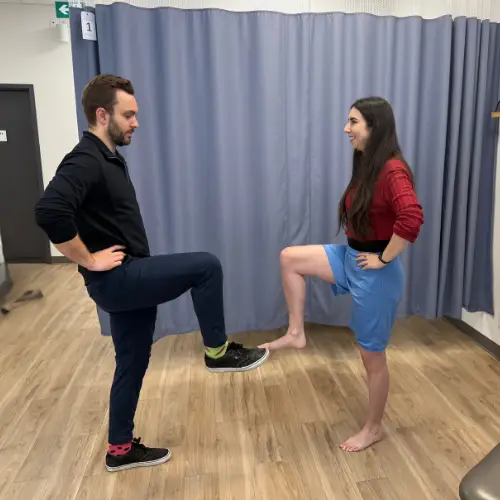
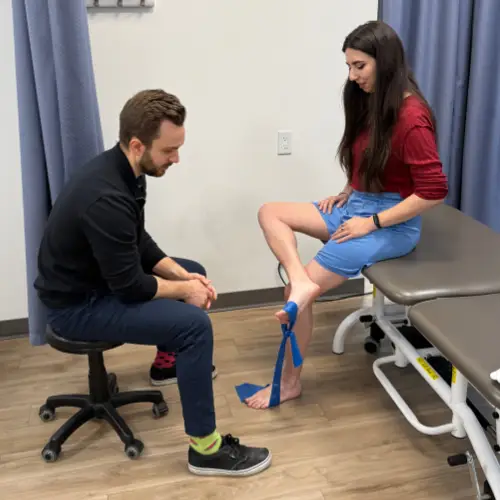
Reduce shin pain, restore strength, and return to running or activity with confidence.
At Avenue Physio in downtown Calgary, we provide one-on-one physiotherapy for shin splints and lower leg pain related to running and activity. Our approach focuses on improving load tolerance, strengthening the lower leg, and helping you safely return to walking, running, and sport.
Shin pain is common in runners, athletes, and people who suddenly increase their activity levels. With the right rehabilitation plan, most people recover well and return to their activities without long-term problems.
What Are Shin Splints
Shin splints are commonly referred to as medial tibial stress syndrome.
This condition involves irritation of the tissues along the inside edge of the shinbone (tibia). It often develops when the lower leg is exposed to more repetitive loading than the bone and surrounding muscles are able to tolerate.
Shin splints are most often seen in:
Runners
Athletes who participate in jumping or running sports
Military recruits
People who suddenly increase their walking, running, or exercise
Rather than a single injury, shin splints usually represent a bone and muscle stress response to repeated loading.
With appropriate load management and strengthening, the tissues of the lower leg can adapt, and symptoms can improve.
Common Symptoms of Shin Splints
Aching or tenderness along the inside of the shinbone
Pain that develops during or after running or activity
Discomfort that improves with rest
Tenderness when pressing along the shin
Pain that returns when activity increases again
Symptoms usually develop gradually and may fluctuate depending on training volume.
Shin Splints vs Stress Fracture
One of the most common concerns with shin pain is whether a stress fracture is present.
Shin splints and stress fractures both occur when the bone is exposed to repeated loading. However, they represent different points along the bone stress spectrum.
Shin splints involve irritation of the bone and surrounding tissues due to repeated loading. This usually causes pain along a broader area of the shin.
A stress fracture involves a small crack within the bone and typically produces more localized pain that worsens with impact activity.
A physiotherapy assessment can often help distinguish between these conditions. If symptoms suggest a stress fracture, imaging or medical assessment may be recommended.
Most cases of shin splints improve with appropriate rehabilitation and activity modification.
Why Shin Splints Develop
Shin splints often occur when the load placed on the lower leg increases faster than the tissues can adapt. Common contributing factors include:
Sudden increases in running or walking distance
Changes in training intensity or terrain
Returning to sport after time away
Reduced calf or lower leg strength
Changes in footwear
Limited ankle mobility
Bones and muscles adapt to load over time. When training increases too quickly, the tissues may become irritated before they have time to adapt. Gradual progression of activity allows the bone and surrounding tissues to become stronger.
How Physiotherapy Helps Shin Splints
At Avenue Physio, every appointment is one on one and focused entirely on you.
Your treatment plan may include:
Detailed assessment of the lower leg, foot, and ankle
Evaluation of walking or running mechanics
Progressive strengthening of the calf and lower leg muscles
Gradual return to running or sport
Load management strategies for training
Mobility work to improve ankle movement
Education to help you understand shin pain and recovery
Improving strength and gradually progressing activity helps the tissues of the lower leg tolerate running and impact more comfortably.
How Long Does Recovery Take
Shin splints often improve with appropriate rehabilitation and modification of activity.
Many people notice improvement within several weeks, although recovery time can vary depending on symptom duration and training demands.
Gradual progression of activity and strengthening exercises are important to reduce the risk of symptoms returning.
Do I Need Imaging
Most cases of shin splints can be assessed and treated without imaging.
Your physiotherapist will evaluate your symptoms and determine whether imaging is necessary. Imaging may be recommended if symptoms suggest a stress fracture or another bone injury.

 Skip to content