Reduce pain, rebuild tendon strength, and return to activity with confidence.
At Avenue Physio in downtown Calgary, we provide one-on-one physiotherapy for Achilles tendon pain. Our approach focuses on restoring tendon strength and load tolerance so you can safely return to walking, running, sports, and daily activities.
Achilles tendon pain often develops gradually over time and can make walking, running, or climbing stairs uncomfortable. With the right rehabilitation plan, most people improve significantly and return to their normal activities without injections or surgery.
What Is Achilles Tendinopathy
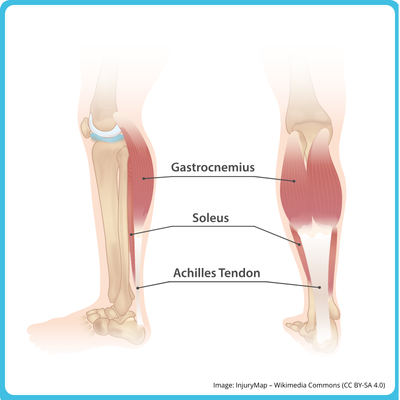
The Achilles tendon connects the calf muscles to the heel bone and plays an essential role in walking, running, and jumping.
Achilles tendinopathy occurs when the tendon becomes irritated and sensitive to load. This often develops when the tendon is exposed to more stress than it is currently prepared to handle.
This does not necessarily mean the tendon is torn or permanently damaged. In many cases, the tendon simply needs the right balance of loading and recovery to adapt and regain strength.
Common Symptoms of Achilles Tendon Pain
Pain or stiffness in the back of the heel
Morning stiffness in the Achilles tendon
Stiffness after periods of rest
Discomfort during walking, running, or climbing stairs
Tenderness when pressing on the tendon
Pain that may improve with a warm-up but returns after activity
Symptoms often develop gradually and may fluctuate depending on activity levels.
Achilles Tendon Tear
Most Achilles tendon pain seen in physiotherapy clinics is related to tendon irritation rather than a tear. However, in some cases, the Achilles tendon can partially or completely rupture.
This usually occurs during a sudden push-off movement such as running, jumping, or changing direction. People often describe feeling a sudden pop in the back of the ankle, followed by difficulty walking or pushing off the foot.
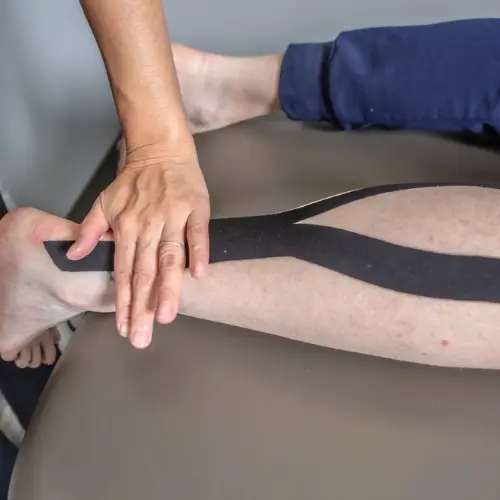
Your physiotherapist can assess the tendon and determine whether symptoms are related to tendinopathy or a possible tear. This can usually be identified during a physical examination. If there is concern about a rupture or more significant injury, imaging or medical assessment may be recommended.
Partial tears are often treated conservatively. This may include a short period of protection, sometimes using a walking boot, followed by progressive physiotherapy to restore movement and strength.
Complete ruptures may be treated either surgically or with a structured non-surgical protocol. Non-surgical treatment typically involves wearing a walking boot with heel lifts for several weeks while the tendon heals, followed by progressive rehabilitation.
Physiotherapy plays an important role in both approaches to restore calf strength, walking mechanics, and confidence with activity.
Why Achilles Tendon Pain Happens
Achilles tendinopathy often develops when the load placed on the tendon exceeds its current capacity.
Common contributing factors include:
Sudden increases in running or walking distance
Changes in training intensity or terrain
Reduced calf strength or endurance
Previous tendon injury
Changes in activity levels
Rapid return to sport after time off
Tendons are living tissues that respond to load. When the right strengthening program is introduced, the tendon can gradually adapt and become stronger.
Achilles Tendons Adapt to Load
The Achilles tendon is designed to handle large forces during walking, running, and jumping.
Research shows that tendon pain often develops when the load placed on the tendon exceeds what it is currently able to tolerate.
Rehabilitation focuses on gradually rebuilding the tendon’s load capacity through strengthening exercises. Over time, the tendon adapts and becomes more tolerant to activity.
While temporary modification of activity may be helpful, complete rest is rarely beneficial for tendon recovery. Tendons respond best to progressive strengthening and controlled loading.
Some discomfort during strengthening exercises can be acceptable as long as symptoms settle after activity and the tendon gradually becomes stronger.
How Physiotherapy Helps Achilles Tendinopathy
At Avenue Physio, every appointment is one-on-one and focused entirely on you.
Your treatment plan may include:
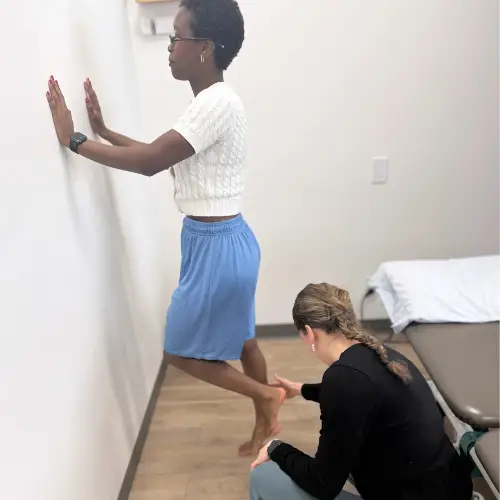
Detailed assessment of the Achilles tendon and calf muscles
Progressive calf strengthening exercises
Load management guidance for walking and running
Movement assessment for running and daily activity
Gradual return to sport or exercise
Education to help you understand tendon pain and recovery
Strengthening the calf muscles and Achilles tendon is one of the most effective ways to improve symptoms and restore function.
Shockwave Therapy for Persistent Achilles Tendon Pain
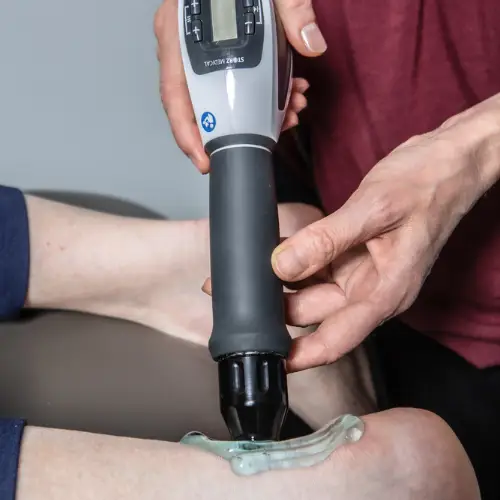
For some people with longer lasting Achilles tendon pain, shockwave therapy may be recommended as part of treatment.
Shockwave therapy delivers controlled mechanical pulses to the irritated tendon. Research suggests it may help stimulate healing and reduce pain in some cases of persistent Achilles tendinopathy.
Shockwave therapy is typically considered when symptoms have been present for several months and have not improved sufficiently with strengthening and load management alone.
At Avenue Physio, shockwave therapy is used alongside progressive rehabilitation rather than as a standalone treatment.
Achilles tendon pain often improves gradually over time.
Many people notice improvement within several weeks, but full tendon adaptation may take several months, depending on symptom duration and activity levels.
Consistent strengthening and gradual progression of activity are key to successful recovery.
Do I Need Imaging or Surgery
Most cases of Achilles tendinopathy do not require imaging.
Your physiotherapist will assess your symptoms and determine if imaging is necessary.
Surgery is rarely required and is usually considered only if symptoms persist after a structured rehabilitation program.

 Skip to content