
 Skip to content
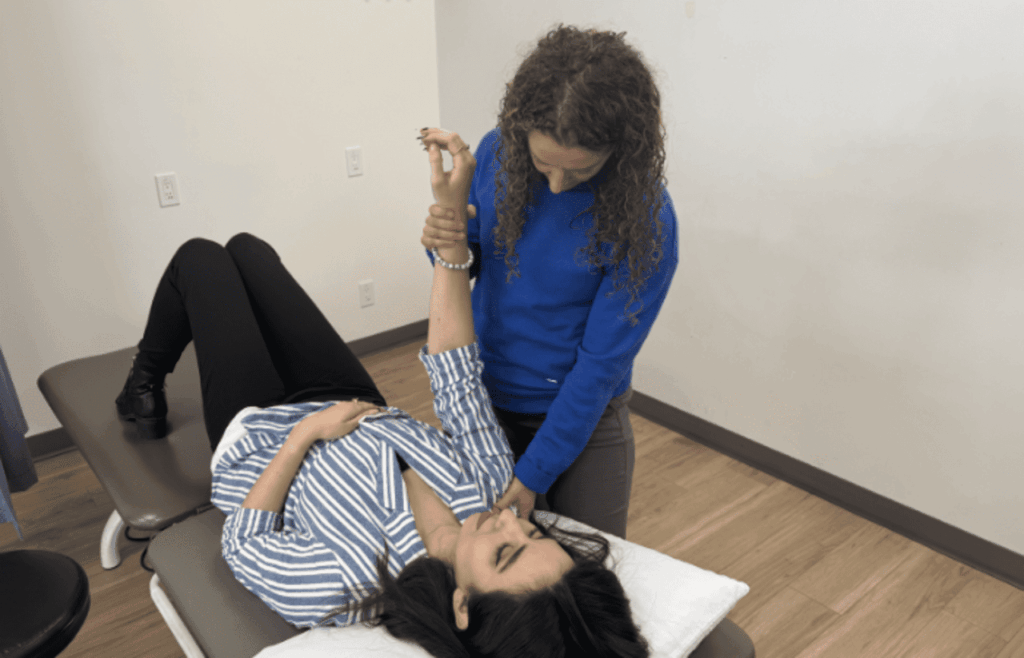
Calcific tendinitis, also called calcific tendinopathy, occurs when calcium deposits develop within the rotator cuff tendons. It can cause significant shoulder pain, sometimes developing suddenly without an injury.
During an acute episode, pain can be constant and severe, making it difficult to sleep, lift your arm or perform everyday activities. At Avenue Physio in downtown Calgary, we provide individualized, one-on-one physiotherapy to help manage pain, restore shoulder movement and rebuild strength.Calcific tendinitis occurs when calcium crystals accumulate within a rotator cuff tendon, most commonly the supraspinatus tendon at the top of the shoulder.
Some people have calcium deposits without experiencing symptoms. Others develop significant pain, particularly when the body begins breaking down and absorbing the deposit. This process can trigger a strong inflammatory response, making the shoulder extremely sensitive and painful.
Symptoms can develop gradually or appear suddenly without an obvious injury. Common symptoms include:
During an acute episode, both active and passive shoulder movement may be significantly restricted.
The exact cause is not fully understood. Calcium deposits form through changes within the tendon rather than simply from overuse or wear and tear.
Deposits may remain within the tendon without causing symptoms. In some cases, the body begins reabsorbing the calcium, which can trigger considerable inflammation and pain.
Calcific tendinitis is most common in adults between 30 and 60 years of age.
Calcific tendinitis may be suspected when someone develops sudden, severe shoulder pain without an injury, particularly when pain is constant, disrupts sleep and significantly limits movement.
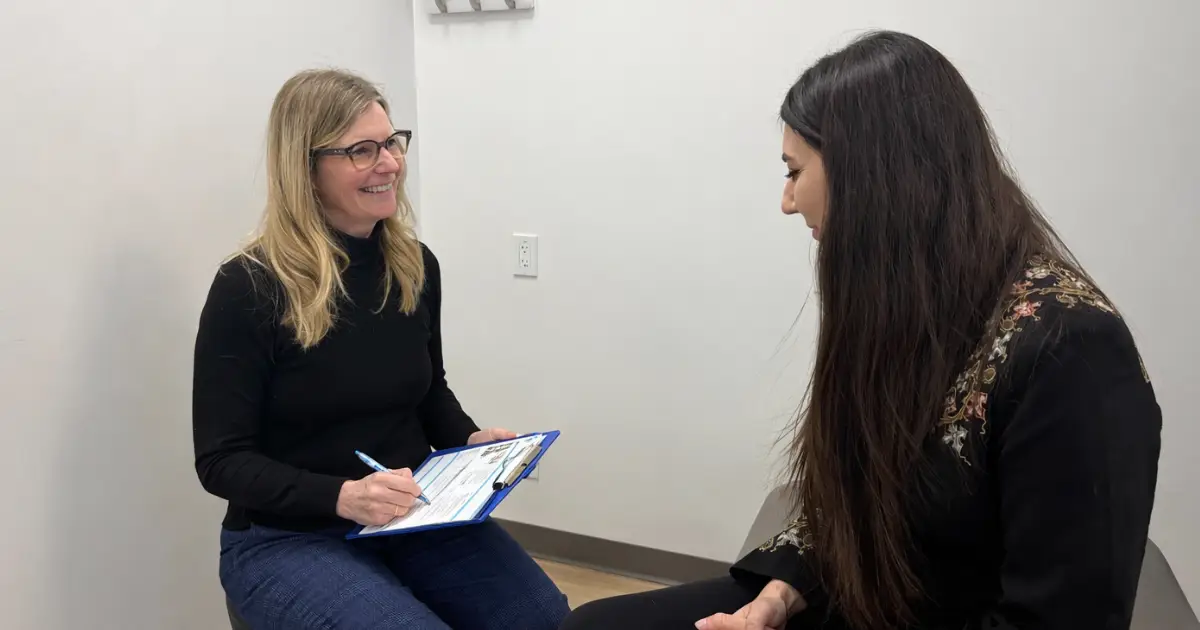
Your physiotherapist will assess your symptoms and shoulder function, adapting the examination to your pain level. During an acute episode, a full movement or strength assessment may not be possible.
An X-ray is commonly used to confirm calcium deposits within the rotator cuff. Ultrasound may also help assess the deposit and surrounding tissues.
Because calcium deposits can sometimes be present without causing pain, imaging findings are considered alongside your symptoms and clinical assessment.
Treatment depends on how painful and irritable your shoulder is.
During an acute flare, the priority is pain management rather than aggressive exercise. Your physiotherapist can help with comfortable positioning, activity modification and gentle movement when tolerated. Severe symptoms may also require medical assessment for additional pain relief.
As symptoms settle, your treatment plan may include:
Our goal is to help you regain comfortable movement and return to your normal activities with strength and confidence.
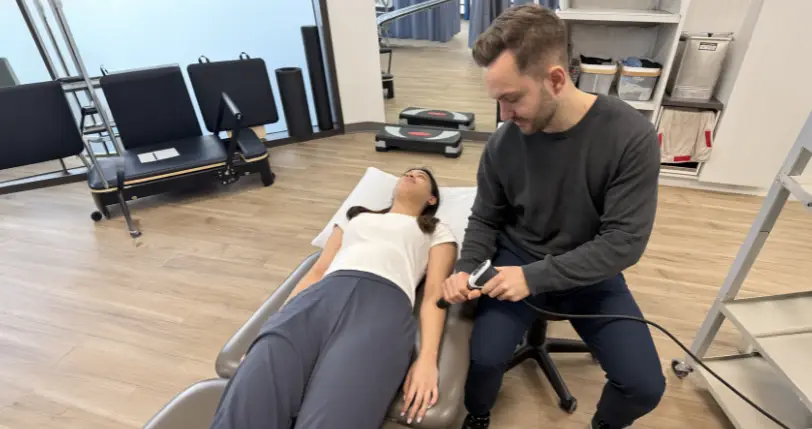
Shockwave therapy is a treatment option for calcific tendinitis, particularly when shoulder pain has persisted despite other conservative treatments.
Shockwave delivers mechanical pressure waves to the affected area, which may help reduce pain and influence the body’s response to calcium deposits.
Research supports its use in selected patients. A 2025 systematic review of 33 randomized trials found that radial shockwave therapy combined with physiotherapy was among the most promising approaches for pain relief, while comprehensive physiotherapy was particularly effective for improving shoulder function.
At Avenue Physio, we use radial shockwave therapy as part of an individualized rehabilitation program. Treatment is adapted to your symptoms and may be combined with hands-on therapy, movement and progressive strengthening as your shoulder becomes less painful.
When calcific tendinitis causes severe pain or symptoms are not improving, additional medical treatment may be appropriate.
Options include medication or corticosteroid injections to help manage pain, ultrasound-guided needling or lavage of the calcium deposit, and surgical treatment in selected cases.
The most appropriate treatment depends on the severity and duration of symptoms, imaging findings and response to previous care. Your physiotherapist can help determine when further medical assessment or referral is appropriate.
At Avenue Physio, we understand how disruptive calcific tendinitis can be, particularly when pain interferes with sleep and simple daily activities.
Our 60-minute initial assessments and 100% one-on-one treatment allow us to adapt your care to your symptoms, whether you are experiencing an acute painful episode or working toward restoring shoulder strength.
Learn more about our approach to rotator cuff tendinopathy and tears and shoulder pain physiotherapy.

If shoulder pain is affecting your sleep, limiting your movement or interfering with daily activities, a physiotherapy assessment can help identify the problem and guide your treatment.
Sudden severe shoulder pain accompanied by fever, redness or significant swelling requires prompt medical assessment.

Avenue Physio
Changing Lives with Movement
Contact us
Closed weekends
About Us