Is Dry Needling Safe? What You Should Know Before Treatment

Is Dry Needling Safe? What You Should Know Before Treatment

Dry Needling Is More Than Just Placing a Needle

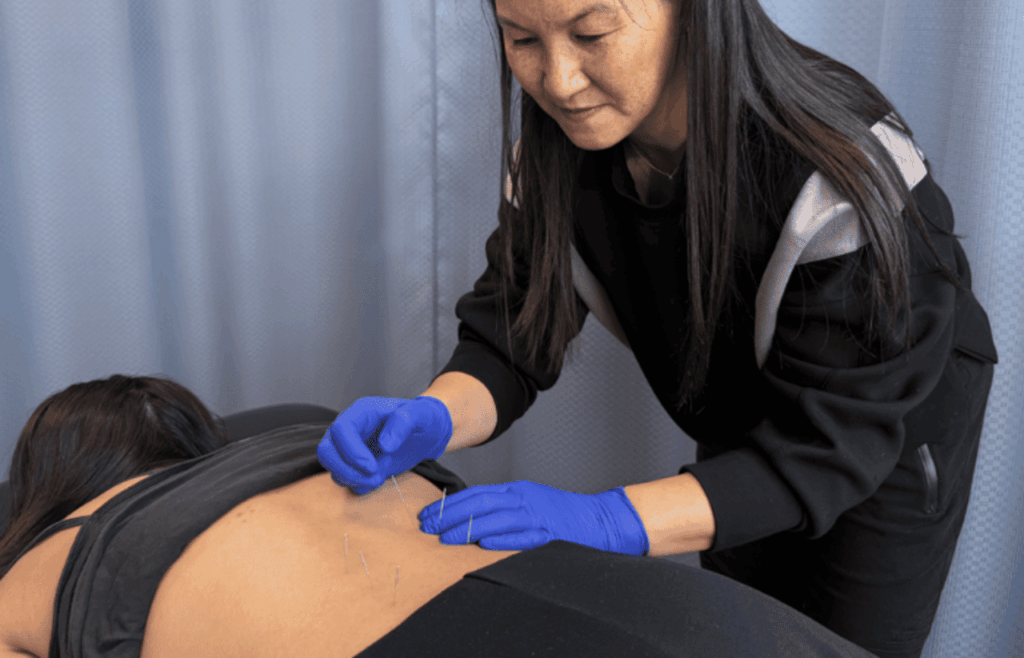
Dry needling has become an increasingly common treatment used by physiotherapists to help reduce muscle pain, improve movement, and restore function. Like any healthcare procedure, it should only be performed by clinicians with the appropriate training, anatomical knowledge, and clinical reasoning.

In Alberta, dry needling is classified as a restricted activity. This means physiotherapists must complete additional post-graduate education, demonstrate competency, and receive authorization before they are permitted to perform dry needling.

When performed by a qualified physiotherapist, dry needling is considered a safe treatment with a low risk of serious complications. The needle itself, however, is only one small part of the process. Safe treatment begins with a thorough assessment, an understanding of anatomy, and knowing whether dry needling is the right treatment for the individual sitting in front of you.

Dry needling is commonly used as part of physiotherapy treatment for neck pain, back pain, shoulder pain, TMJ disorders, headaches, tennis elbow, hip pain, and other muscle and joint conditions.

Why Physiotherapists Are Well Qualified to Perform Dry Needling

Physiotherapists spend years studying the musculoskeletal system. Throughout university and clinical practice, we learn how muscles, tendons, joints, nerves, and connective tissues work together to create movement. We also learn how injuries develop, how tissues heal, and how movement changes when someone is experiencing pain.

One of the unique skills physiotherapists develop is palpation (the ability to assess muscles, tendons, joints, and soft tissues using our hands). It allows us to identify changes in muscle tension, tenderness, movement, and tissue quality before any treatment begins.

A skilled physiotherapist doesn’t simply know where a muscle is located. They understand:

  • How it functions
  • How it interacts with neighbouring muscles and joints
  • How to identify it accurately through assessment

Dry needling builds on these skills. The needle is simply another clinical tool used after a thorough examination has identified which tissues may be contributing to your symptoms.

the safety of dry needling

Why Additional IMS and Dry Needling Training Matters

Completing a physiotherapy degree does not automatically allow a physiotherapist to perform dry needling. Because it is a restricted activity in Alberta, physiotherapists must complete additional certification and demonstrate competency before they are authorized to perform the technique.

That education goes well beyond learning how to insert a needle. Training includes:

  • Advanced musculoskeletal anatomy
  • Safe needling techniques
  • Contraindications and precautions
  • Recognition and management of adverse events
  • Treatment around sensitive anatomical structures
  • Clinical reasoning
  • Patient selection
  • Knowing when not to use dry needling

Perhaps the most important part of advanced training is learning that not every painful muscle needs a needle.

The Assessment Always Comes First

One of the biggest misconceptions about dry needling is that it is used whenever a muscle feels tight. In reality, the needle is often one of the last decisions made during your appointment.

Before recommending dry needling, your physiotherapist wants to understand:

  1. What tissues are contributing to your symptoms?
  2. Why have those tissues become irritated or overloaded?
  3. Is dry needling likely to help?
  4. What are your goals?
  5. What other treatments may be needed?

A physiotherapy assessment looks well beyond the painful area. It considers your movement, strength, mobility, flexibility, work demands, sport, previous injuries, general health, and the activities you’re hoping to return to.

Sometimes dry needling is the right choice. Sometimes another treatment is more appropriate. The assessment determines the treatment plan, not the needle.

Why Anatomy Matters

The human body is remarkably complex. Muscles often lie close to nerves, blood vessels, joints, and, in certain parts of the body, the lungs and other important structures.

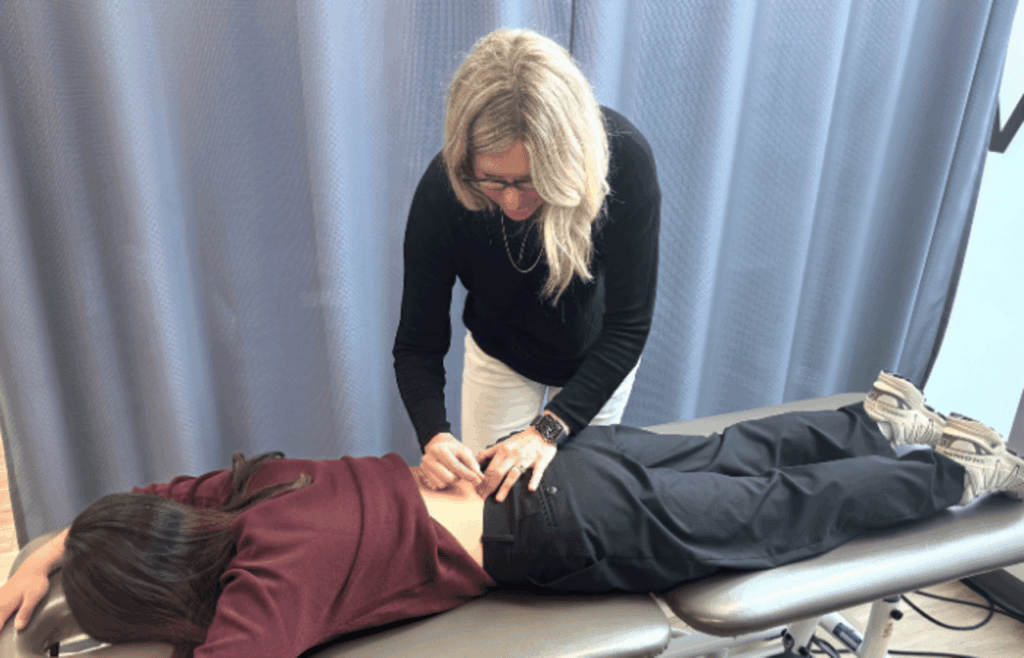
Safe dry needling requires far more than knowing the location of a muscle in a textbook. Physiotherapists learn to identify muscles through palpation, understand how their position changes with movement, appreciate the surrounding anatomy, and choose appropriate needle depth and direction based on the individual sitting in front of them.

That combination of anatomical knowledge, assessment skills, and additional dry needling training is what makes the procedure safe.

is dry needling safe

What Are the Risks?

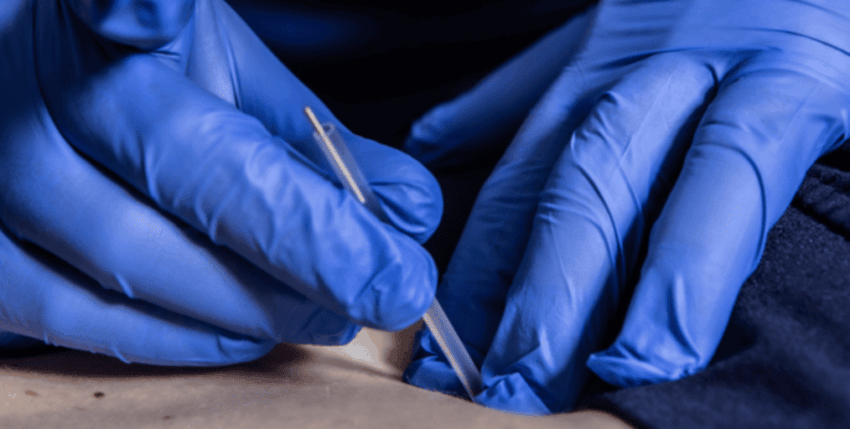
Like any healthcare procedure, dry needling has potential risks. Fortunately, when performed by a properly trained physiotherapist using sterile, single-use needles and sound clinical reasoning, serious complications are uncommon.

The most common side effects include:

  • Temporary muscle soreness
  • Mild bruising
  • A small amount of bleeding
  • Temporary fatigue
  • Occasional lightheadedness

These symptoms usually settle within 24 to 48 hours. More significant complications are rare. This is why careful assessment, anatomical knowledge, patient screening, and appropriate technique are such important parts of dry needling.

Dry Needling Is Only One Part of Recovery

Dry needling is not a cure for pain. It is one treatment option that may help reduce pain, decrease muscle guarding, or improve movement enough to allow you to participate more comfortably in rehabilitation.

Lasting improvement usually comes from addressing the reason the problem developed in the first place. Depending on your assessment, this may involve improving:

  • Strength
  • Joint mobility
  • Flexibility
  • Movement patterns
  • Load tolerance
  • Confidence with movement

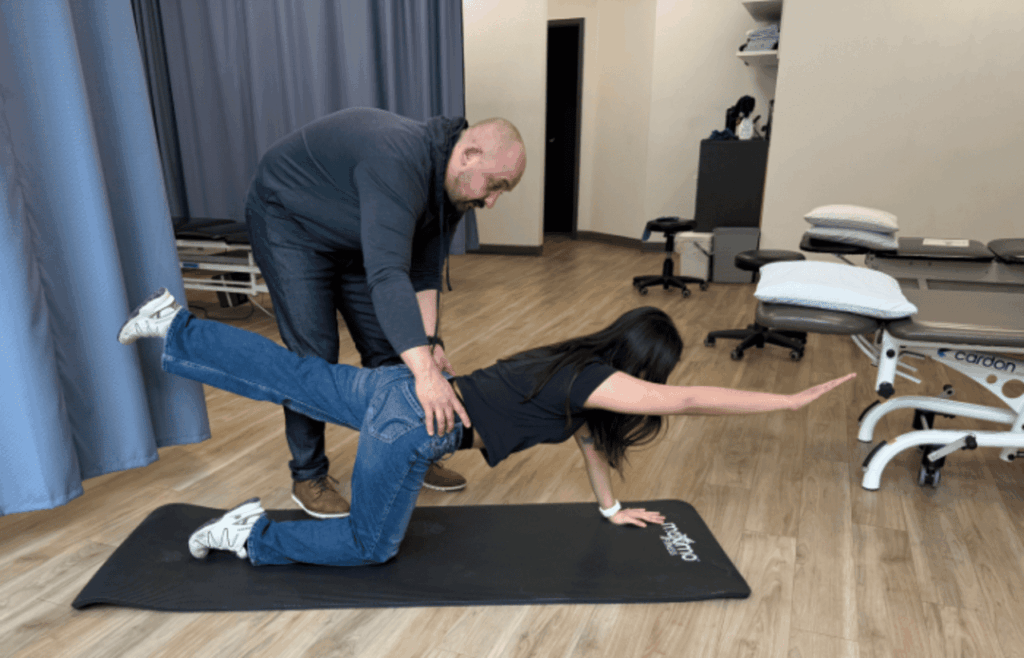
For this reason, dry needling is typically combined with Exercise Rehabilitation, Manual Therapy, education, and a progressive exercise program. The goal is never simply to change how a muscle feels—the goal is to help you move better and return to the activities that matter most.

safety considerations of dry needling treatments

When Dry Needling May Not Be Appropriate

Dry needling isn’t the right treatment for everyone. Your physiotherapist will review your medical history and determine whether the technique is appropriate for you.

Additional assessment or modifications may be required if you:

  • Take blood-thinning medication
  • Have certain bleeding disorders
  • Are pregnant
  • Have an active infection
  • Have significant needle anxiety
  • Have certain medical conditions that require treatment modifications

When dry needling isn’t appropriate, there are many other highly effective physiotherapy treatments available.

How Dry Needling Fits Into Physiotherapy

At Avenue Physio, dry needling is never viewed as a treatment on its own. It is one tool that may be used within a comprehensive rehabilitation plan based on your assessment findings, goals, and the best available evidence.

Education is always the foundation of treatment. Understanding what is contributing to your symptoms, why they developed, and what is required for recovery helps you make informed decisions and take an active role in your rehabilitation.

Depending on your condition, dry needling may then be combined with Exercise Rehabilitation, Manual Therapy, progressive strengthening, mobility work, activity modification, and strategies to help you gradually return to work, sport, and the activities that matter most to you.

For many people, one of the greatest benefits of dry needling is that it can reduce pain and muscle tension during or shortly after treatment. This often makes it easier to move, exercise, and regain normal movement patterns. That window of reduced pain can create an opportunity to work on the strength, mobility, and movement changes that lead to longer-term improvement.

Pain relief is an important goal, particularly when pain is limiting sleep, work, or everyday activities. However, lasting recovery usually requires more than reducing pain alone. It involves addressing the underlying factors identified during your assessment and gradually building your body’s capacity to tolerate the demands of daily life.
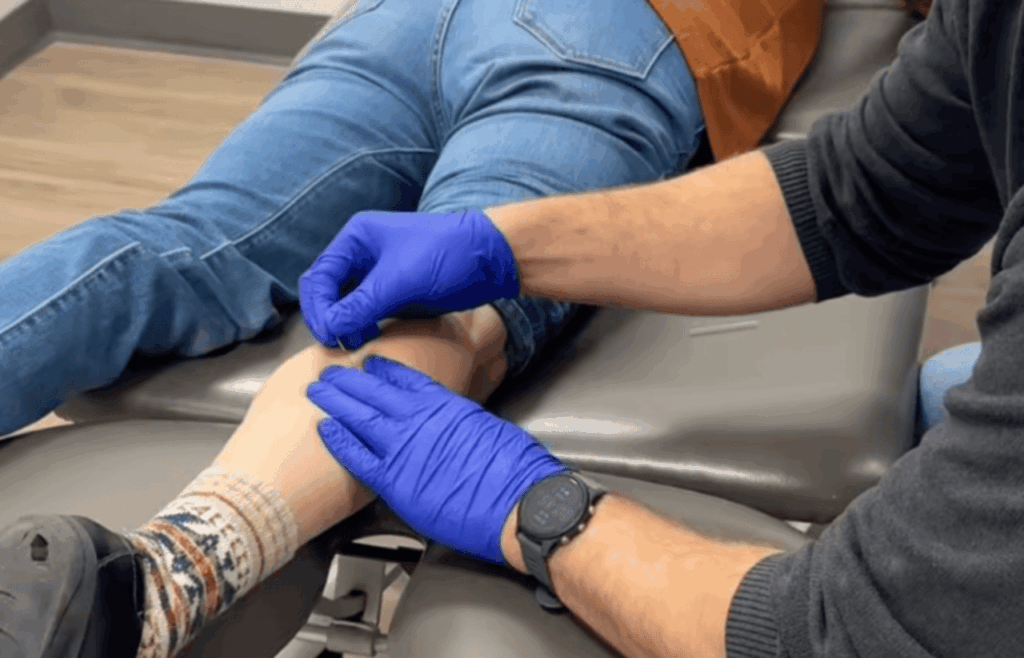
what to know about dry needling safety

The Avenue Perspective

Dry needling is considered a safe treatment when performed by a physiotherapist with advanced training, a thorough understanding of anatomy, and careful clinical reasoning.

The needle itself is only one small part of the process. What matters most is the assessment that comes before it, the knowledge behind it, and ensuring it is being used for the right person, at the right time, and for the right reason.

Thinking About Dry Needling?

If you’re wondering whether dry needling may be appropriate for your condition, the best place to start is a comprehensive physiotherapy assessment.

At Avenue Physio, we’ll take the time to understand your symptoms, assess how your body is moving, explain our findings in clear language, and discuss whether Dry Needling / IMS is likely to help you reach your goals. Whether your treatment includes dry needling or not, our focus is always the same: helping you move with greater confidence and return to the activities that matter most.

Frequently Asked Questions

Is dry needling painful?

The experience varies from person to person. Most people feel a small prick as the needle enters the skin, followed by a brief ache, muscle twitch, or feeling of pressure within the muscle. Others feel very little.

Your physiotherapist will explain what to expect before treatment, check your comfort throughout the session, and adjust the technique if needed. You are always in control of your treatment.

What are the common side effects of dry needling?

The most common side effects include temporary muscle soreness, mild bruising, a small amount of bleeding, temporary fatigue, or lightheadedness. These effects are usually mild and settle within 24 to 48 hours.

Your physiotherapist will explain what is considered a normal response to treatment and when it would be appropriate to contact the clinic with any concerns.

Can I exercise after dry needling?

In most cases, yes. Many people are able to return to their normal daily activities immediately after treatment.

Depending on the area treated and your rehabilitation goals, your physiotherapist may recommend light activity, stretching, or specific exercises the same day, while more strenuous exercise may be delayed until any post-treatment soreness has settled. Dry needling is often used to make movement and exercise more comfortable, so it is commonly combined with an individualized exercise program.

How long does dry needling take to work?

Some people notice a change during or immediately after treatment, while others notice improvement over the following 24 to 48 hours. The response varies depending on the condition being treated, how long symptoms have been present, and the goals of treatment.

Dry needling is often used to reduce pain or improve movement so you can participate more comfortably in your rehabilitation program.