Home/Physiotherapy/IMS/ Why IMS Treatment Is More About Your Nervous System Than The Needle Itself
Why IMS Treatment Is More About Your Nervous System Than The Needle Itself
Why IMS Treatment Is More About Your Nervous System Than The Needle Itself
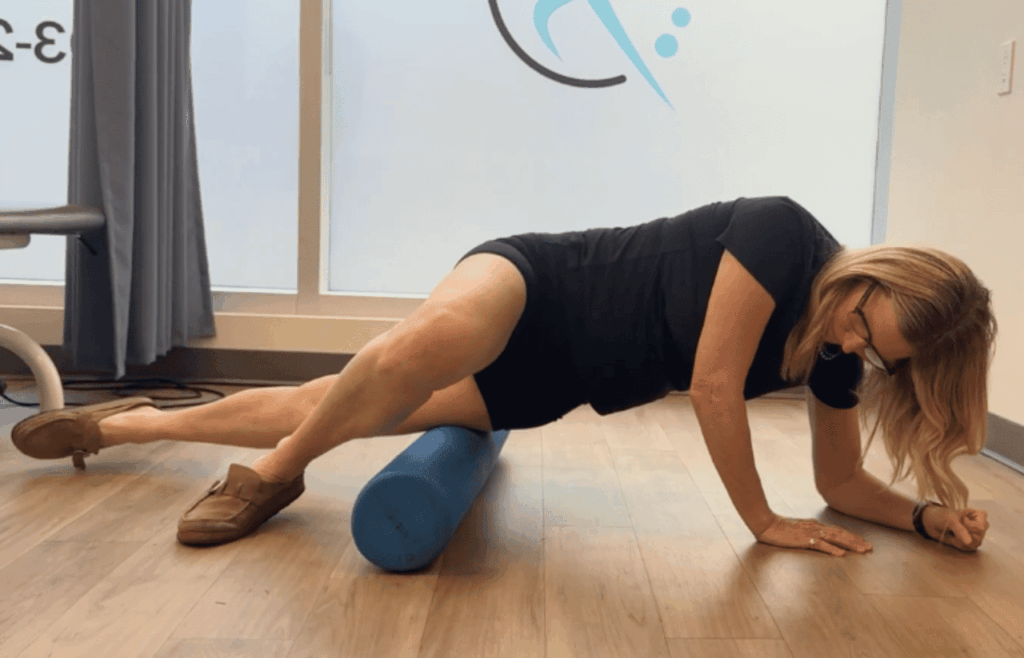
Many people come to physiotherapy after trying stretching, massage, foam rolling, or exercise, only to find the same tight muscles keep returning.
You may have experienced it yourself.
Your neck always feels tight.
Your shoulders constantly feel knotted.
Your back symptoms loosen up for a day or two, then the stiffness comes back.
When people hear about IMS / Dry Needling, they often assume the treatment works because the needle physically releases a tight muscle.
While that may be part of the story, it is only a small piece of what is happening.
The bigger question is this:
Why did the muscle become tight in the first place?
In many cases, the answer has more to do with your nervous system than the muscle itself.
At Avenue Physio, we often explain that IMS is not simply a treatment for muscles. It is a treatment that can influence how your muscles and nervous system work together.
Your Body Is Designed To Protect You
Pain, stiffness, and muscle tension are not always signs that something is damaged.
Sometimes they are signs that your body is trying to protect you.
After an injury, a period of stress, repetitive activity, poor sleep, prolonged sitting, or ongoing pain, the nervous system can become more protective.
When this happens, muscles may:
Stay tight longer than necessary
Feel stiff or restricted
Become more sensitive to movement
Fatigue more quickly
Develop persistent tension that keeps returning
This is often why people tell us:
“I stretch every day, but my neck is still tight.”
“Massage helps, but only for a few days.”
“The same muscle keeps tightening up no matter what I do.”
The muscle itself may not be the entire problem.
The nervous system may still be keeping that muscle in a protective state.
Why Stretching And Massage Sometimes Only Help Temporarily
Many patients have tried stretching, foam rolling, massage therapy, or other treatments before coming to physiotherapy.
These approaches can often provide short-term relief.
The question is:
Why does the tension keep coming back?
Often the underlying driver has not changed.
If the nervous system continues to perceive a need for protection, the muscle may return to its previous state.
This does not mean stretching or massage are ineffective.
It simply means they may not address the full picture.
To create lasting change, we often need to improve how the nervous system, muscles, and movement patterns work together.
This is often why patients with neck pain,back pain, TMJ symptoms, or sciatica and nerve pain may benefit from a comprehensive physiotherapy approach rather than focusing on one treatment alone.
So What Is IMS Actually Doing?
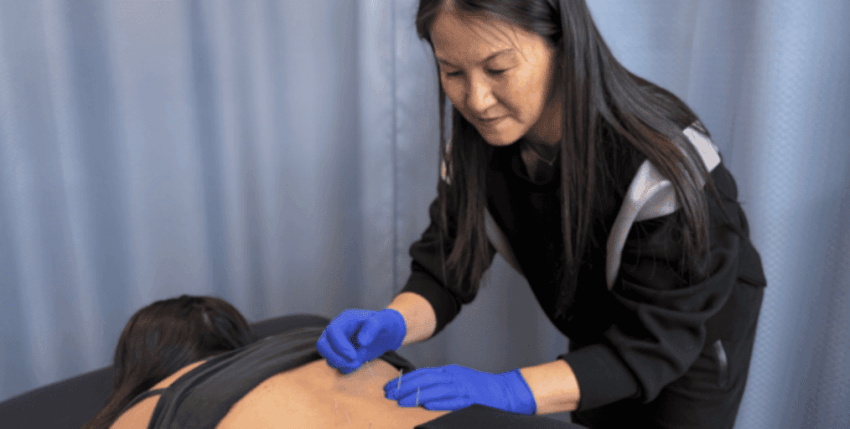
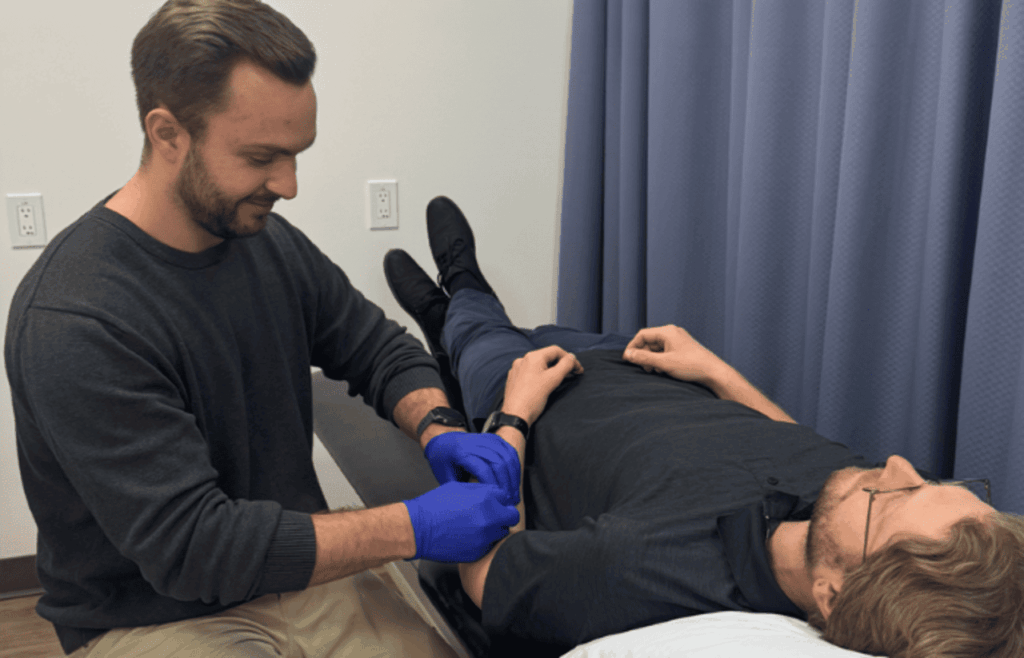
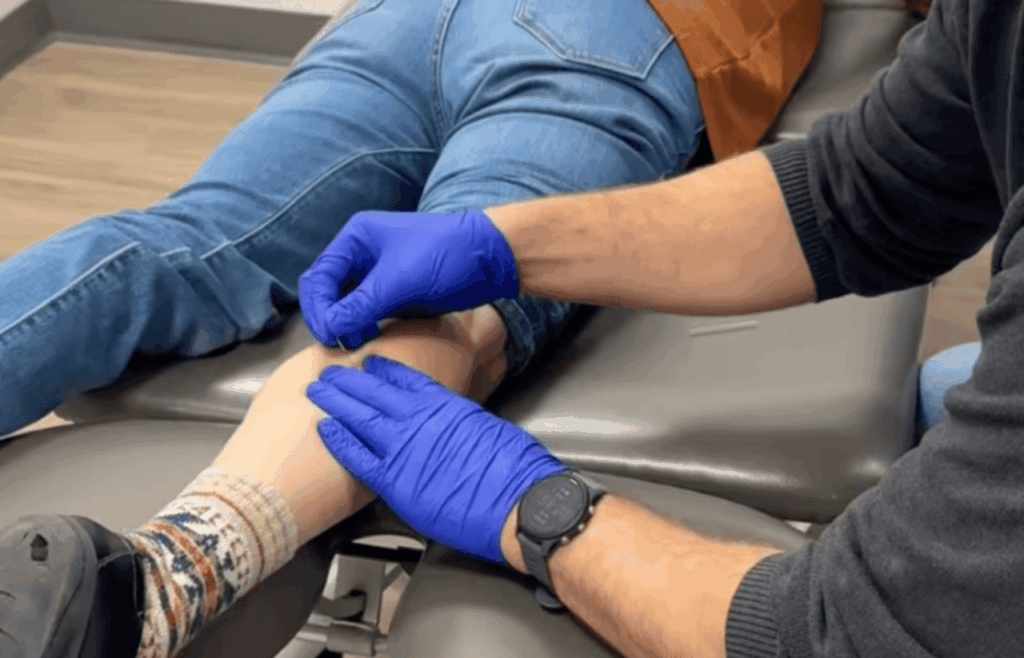
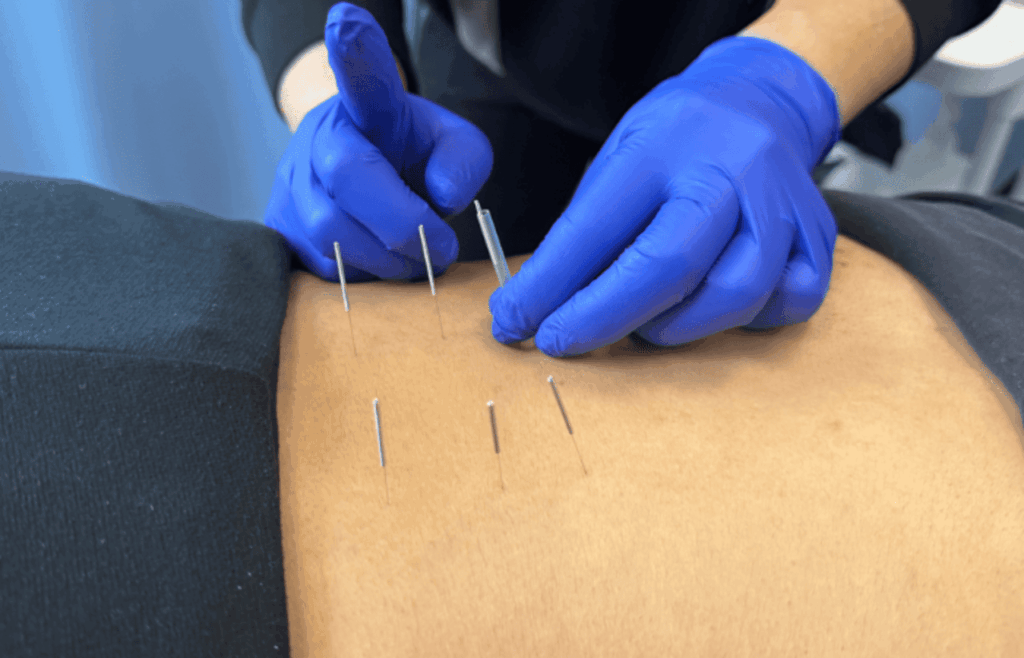
IMS uses very thin, sterile needles that are inserted into specific muscles identified during your assessment.
When the needle reaches a sensitive or overactive area, you may experience a brief muscle twitch or deep aching sensation.
Many people assume the treatment is working because the needle is physically releasing the muscle.
While some local changes occur within the tissue, much of the benefit appears to come from how the nervous system responds to the stimulation.
The needle provides new information to the body.
This may help:
Reduce muscle guarding
Decrease nerve sensitivity
Improve muscle activation
Restore more comfortable movement
Improve awareness of areas that have become tense or protective
In simple terms, IMS may help your nervous system realize that it does not need to hold on to quite so much tension.
Your Muscle Is Not Broken
One of the biggest misconceptions about IMS is the idea that muscles become physically stuck and need to be “released.”
While muscles can certainly become tight, many cases of ongoing tension are influenced by the nervous system rather than a structural problem within the muscle itself.
This is important because it changes how we think about recovery.
Instead of trying to constantly force a muscle to relax, we can focus on helping the body feel safe enough to move normally again.
That often creates more meaningful and lasting improvements.
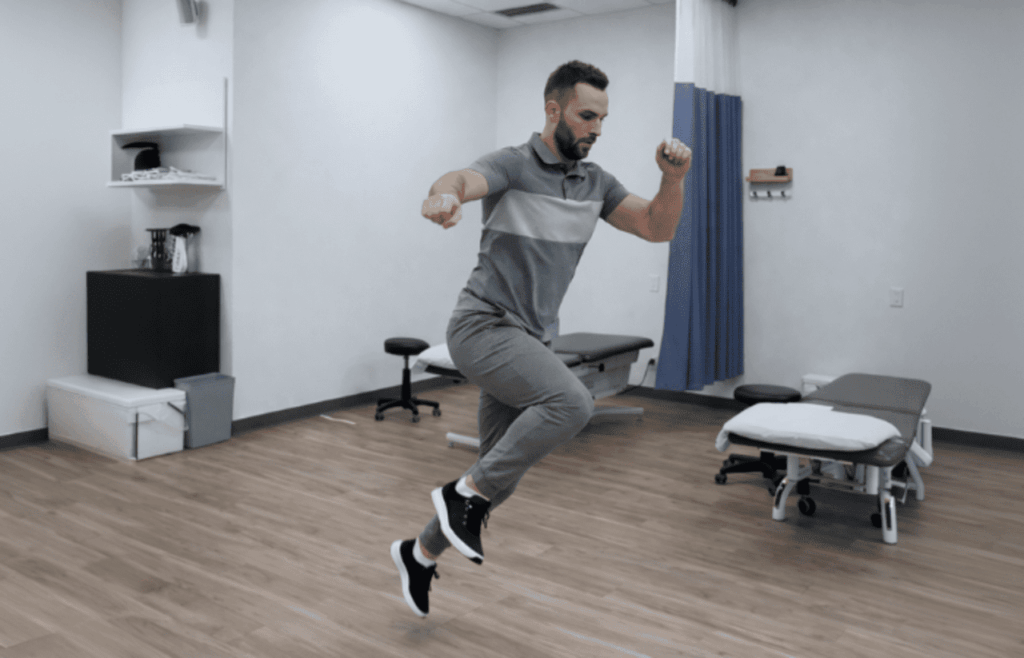
This is also one reason why IMS is often combined with exercise and movement.
The goal is not simply to create temporary relaxation.
The goal is to improve your body’s ability to move, adapt, and tolerate everyday activities with confidence.
Why IMS Works Best As Part Of A Bigger Plan
At Avenue Physio, IMS is rarely used as a stand-alone treatment.
It is one tool that may help create an opportunity for change.
What happens next is often just as important.
That may include:
Strengthening exercises
Mobility work
Movement retraining
Education about pain and recovery
Gradual return to activity
Strategies to improve sleep, recovery, and overall health
The goal is not simply to feel better for a few hours or days.
The goal is to help you move confidently, stay active, and build long-term resilience.
This is why we combine IMS with a personalized treatment plan rather than relying on needles alone.
The Bottom Line
IMS is about much more than the needle itself.
While the needle may influence the muscle, many of the effects occur through the nervous system and the way it communicates with the rest of the body.
For people dealing with persistent muscle tension, recurring tightness, nerve-related pain, or movement restrictions, IMS may help create an opportunity for positive change.
The needle is simply the tool.
The real goal is helping your body move with less protection, less sensitivity, and more confidence.
Questions We Commonly Hear About IMS
Is IMS Painful?
Most patients describe IMS as uncomfortable rather than painful.
When the needle reaches a sensitive muscle, you may feel a brief twitch, cramping sensation, or deep ache. These sensations are usually short-lived and often followed by a feeling of reduced tension or improved movement.
Everyone’s experience is different, and your physiotherapist will adjust treatment based on your comfort level.
What Does The Twitch Response Mean?
A twitch response is a brief involuntary contraction of a muscle that sometimes occurs during IMS treatment.
Many people think the twitch is the goal of treatment, but it is simply a response from the muscle and nervous system.
Some patients experience noticeable twitch responses, while others experience very few and still achieve excellent results.
The goal is not the twitch itself. The goal is improved movement, reduced sensitivity, and better function.
Is IMS The Same As Acupuncture?
Although both treatments use thin needles, the assessment, reasoning, and treatment goals are different.
Acupuncture is traditionally based on principles of Traditional Chinese Medicine.
IMS is based on modern anatomy, physiology, and the relationship between muscles, nerves, movement, and pain.
Your physiotherapist uses a detailed physical assessment to identify muscles and areas that may be contributing to your symptoms and determines whether IMS is appropriate as part of your treatment plan.
We will determine whether IMS is appropriate for your condition and build a personalized treatment plan based on your goals, lifestyle, and recovery needs.
 Skip to content