Skip to content

Physiotherapy for Arthritis: Why Movement Helps More Than Rest
Quick Summary
If you’ve been told you have arthritis, you’ve probably wondered whether you should stop doing the things you enjoy. I hear it all the time: “Am I wearing my joint out?” “Should I stop walking?” “Will exercise make it worse?” They’re completely understandable questions, but they’re based on an old way of thinking about arthritis. One of the biggest things I want people to understand is that an X-ray doesn’t tell the whole story. The amount of arthritis we see on an X-ray often doesn’t match how much pain someone has or what they’re able to do.
The good news is that our understanding of arthritis has changed dramatically over the last 20 years, and that’s changing the way we treat it. We now know that pain is influenced by much more than changes in a joint. Strength, sleep, stress, physical activity, confidence, overall health and even our beliefs about what’s happening in our bodies all play a role. That’s why the right kind of movement has become one of the most effective treatments we have. Rest has a role, especially during a flare-up, but too much rest often leads to more stiffness, weaker muscles and less confidence in your body. The challenge isn’t deciding whether to move. It’s knowing how to move in a way that’s right for you.
If Rest Feels Safer, You Are Not Alone
The problem is that protecting a joint for too long can start working against us. We become less active, our muscles get weaker, our joints become stiffer, and before long even simple things like getting out of a chair, walking the dog or climbing the stairs feel harder than they used to.
One of the biggest shifts in arthritis research has been understanding that movement is part of the solution, not the problem. The goal isn’t to ignore your pain or push through it. It’s to find the right amount of movement for where you’re at today and gradually build from there. That’s what we call loading a joint appropriately. Not too much. Not too little. Just enough to help your body adapt.
That’s where working with a physiotherapist can make such a difference. Rather than guessing how much exercise is okay, we help you find the right starting point, monitor how your body responds, and adjust your program as you get stronger and more confident.
Why Too Much Rest Can Make Arthritis Worse
Rest isn’t the enemy. In fact, during a flare-up, it’s often the right thing to do. If a joint is irritated, reducing the load for a day or two can help it settle. The problem is when a few days of rest turn into a few weeks of doing less and less.
Our joints are designed to move. The muscles around them need regular use to stay strong, and movement helps keep joints healthy and flexible. When we stop moving, muscles become weaker, joints become stiffer, and everyday activities often start to feel harder than they did before.
I see this cycle all the time. Someone’s knee starts hurting, so they stop walking. A few weeks later they’re even stiffer, they’ve lost strength, and now walking feels even more uncomfortable. It’s easy to assume the arthritis is getting worse, when in reality part of the problem is that the body has become less conditioned. The less we move, the less confident we become, and before long we’re avoiding activities we used to enjoy.
That doesn’t mean you should push through pain or ignore what your body is telling you. The goal is to find the right balance between movement and recovery. We know from years of research that people with arthritis do better when they keep moving, even if that movement needs to be modified. Small, consistent amounts of exercise that your body can recover from are much more effective than doing too much on a good day and then needing several days to recover. That’s how we gradually build strength, confidence and capacity over time.
What Does Physiotherapy for Arthritis Actually Look Like?
One of the biggest misconceptions is that everyone with arthritis should be doing the same exercises. That’s simply not true. Arthritis affects everyone differently, so your treatment should reflect that.
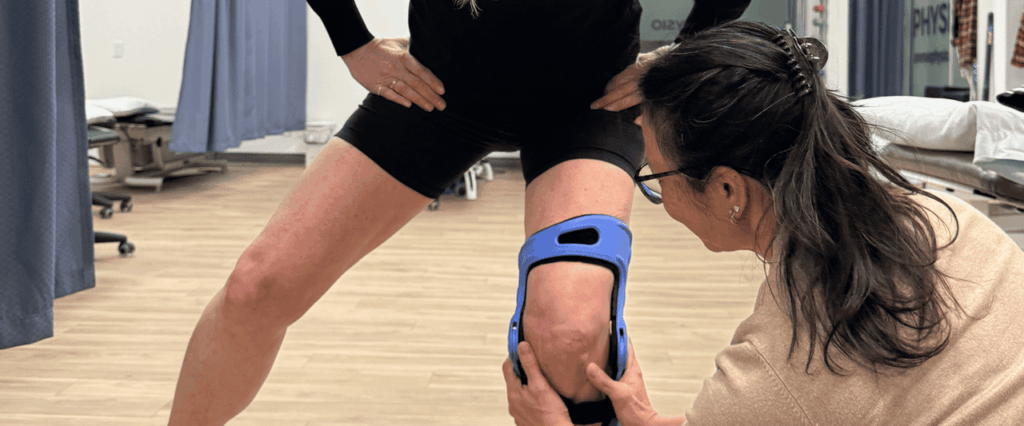
When someone comes into the clinic, I’m not just looking at their knee or hip. I want to understand how the arthritis is affecting their life. Are they struggling to get through a day at work? Do they want to get back to hiking, golfing or travelling? Are they avoiding activities because they’re worried they’ll make things worse? Those answers are just as important as what I find when I examine the joint.
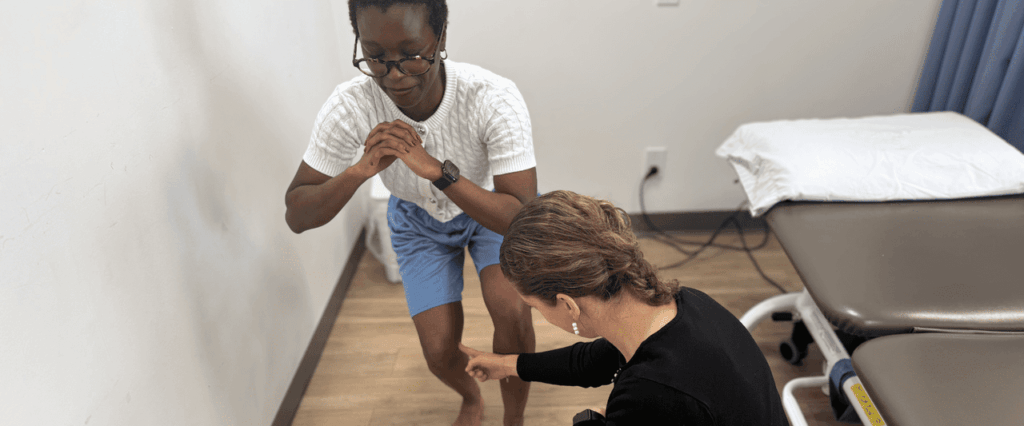
From there, we build a plan together. For some people, that might mean improving mobility to reduce stiffness. For others, it might be building strength around the joint, improving balance, increasing walking tolerance or simply helping them feel confident moving again. The exercises are important, but they’re only one part of the program.
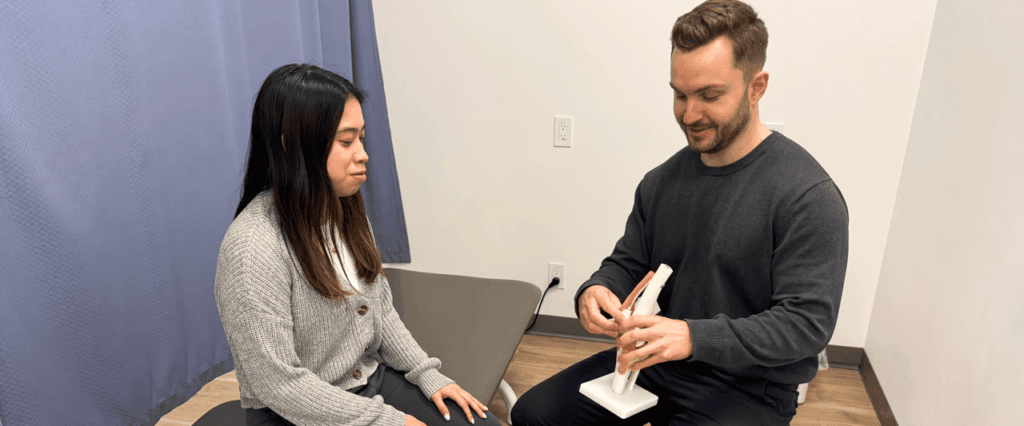
Just as important is helping you understand what’s happening in your body. Research consistently shows that people do better when they understand their arthritis and feel confident that movement is safe. Education isn’t something we do before the exercises. It’s part of the treatment itself.
At Avenue Physio, we also use the internationally recognized GLAD® program for people with hip and knee osteoarthritis. I like it because it reflects exactly what the evidence tells us. It combines education with progressive exercise, helps people understand their symptoms, and builds strength and confidence over time. Most importantly, it gives people the tools to manage their arthritis long after they’ve finished the program.
At the end of the day, my goal isn’t to give you a sheet of exercises. It’s to help you understand your arthritis, build confidence in your body again, and get back to doing the things that matter most to you.
Load Management for Arthritis: Finding the Right Amount of Movement
Pacing is another really important part of managing arthritis. More isn’t always better. We usually start with an amount of exercise that your body can recover from and gradually build from there. Some days you’ll be able to do more and some days you’ll need to do a little less, and that’s completely normal. What we’re looking for is steady progress over time, not perfection every day.
One of the things I like most about the GLA® approach is that it gives people permission to move without being afraid of every ache or pain. We know that some discomfort during exercise can be completely acceptable. What matters most is how your body responds afterwards. The goal isn’t to avoid all pain—it’s to find the right amount of challenge so your body becomes stronger, more confident and more capable over time.
Building an Exercise Plan That Fits Your Life
There isn’t one perfect exercise program for arthritis because there isn’t one perfect person. The best plan is the one that fits your body, your goals and your life.
For one person, success might mean getting back to hiking. For someone else, it might be walking around Europe on vacation, playing with their grandchildren, getting through a day at work without their knee aching, or simply getting up from a chair more easily. Those goals shape the exercises we choose and how we progress them.
Strengthening the muscles around an arthritic joint is one of the most effective things we can do, but that doesn’t mean spending hours in a gym. For many people, simple exercises at home using body weight, resistance bands or everyday movements are the perfect place to start. What’s important isn’t finding the hardest exercise. It’s finding the right exercise and doing it consistently.
One thing I’d encourage people to be cautious about is following generic exercise programs online. Some are excellent, but they weren’t designed for your joint, your current strength or your goals. Arthritis isn’t one-size-fits-all, and your exercise program shouldn’t be either. As your body changes, your program should change too.
I also think it’s time we stop thinking about arthritis as “wear and tear.” That language suggests the joint is simply wearing out and there’s very little we can do about it. We now know that’s far too simplistic. Your joints, muscles and nervous system all respond to movement. While we can’t promise to reverse arthritis, we can absolutely help people become stronger, move more confidently and get back to doing the things that matter most to them. That’s what success looks like.
When Is It Time to See a Physiotherapist?
If arthritis is stopping you from doing the things you enjoy, or you’re not sure how much you should be moving, it might be time to get some guidance. You don’t have to wait until the pain becomes severe. Often, the earlier we can help you understand what’s happening and build a plan, the easier it is to stay active and confident.
Most arthritis symptoms can be managed safely, but there are times when you should seek prompt medical attention, such as sudden swelling, significant redness or warmth around a joint, fever, a major injury, or rapidly worsening weakness or numbness.
When someone comes to see me with arthritis, the first thing I do is listen. I want to understand how it’s affecting your life and what you want to get back to doing. From there, we’ll assess how you’re moving, identify what’s contributing to your symptoms, and build a plan that’s right for you. As your strength, confidence and symptoms change, we’ll adjust the program so it continues to meet your needs.
If you’ve been told your X-ray shows arthritis and you’re not sure what to do next, we’d love to help. At Avenue Physio, we combine the latest evidence with one-on-one care to help you understand your arthritis, move with confidence and get back to the activities that matter most to you.
Key Takeaways
An arthritis diagnosis doesn’t mean you have to stop doing the things you love. With the right approach, most people can stay active and continue doing the activities that matter to them.
An X-ray doesn’t tell the whole story. The amount of arthritis seen on imaging often doesn’t match how much pain someone has or what they’re capable of doing.
Exercise is one of the most effective treatments we have for arthritis. The key is finding the right amount of movement for your body and gradually building from there.
Rest has a role, especially during a flare-up, but too much rest often leads to more stiffness, weaker muscles and less confidence with movement.
Don’t judge your progress by pain alone. Look at the bigger picture. Are you moving more easily? Walking farther? Sleeping better? Feeling more confident? Those are all signs you’re moving in the right direction.
A personalized exercise program and the right education can help you move with more confidence, manage flare-ups and get back to the things you enjoy.
Ready to Move with More Confidence?
If you’ve been told you have arthritis and you’re not sure what to do next, you don’t have to figure it out on your own. Arthritis doesn’t mean you have to stop doing the things you love, but it does mean having the right plan can make all the difference.
At Avenue Physio, we take the time to listen to your concerns, understand your goals, and explain what’s really driving your symptoms. From there, we’ll work with you to build a personalized plan that’s based on the best available evidence and designed to help you move with more confidence.
Whether your goal is walking without pain, getting back to hiking, travelling, gardening, playing golf, or simply keeping up with your grandchildren, we’d love to help you get there. If you’re ready to take the next step, book an assessment and let’s build a plan together.
Frequently Asked Questions
Does movement really help arthritis pain?
Yes. One of the biggest misconceptions about arthritis is that movement will make it worse. The evidence actually tells us the opposite. The right amount of movement can reduce stiffness, build strength, improve confidence and make everyday activities easier. The key is choosing the right exercise and progressing it at a pace that’s right for you.
Should I rest during an arthritis flare-up?
Sometimes, yes. During a flare-up it’s often helpful to reduce the load on the joint for a short period, but complete rest for days or weeks usually leads to more stiffness and weakness. I usually encourage people to keep moving in a way their joint can tolerate, then gradually return to their normal activities as things settle.
What does physiotherapy for arthritis involve?
Every program is different because every person is different. After listening to your concerns and understanding your goals, we’ll assess how you’re moving and build a plan that’s right for you. That might include improving mobility, building strength, working on balance, increasing walking tolerance, or helping you return to the activities you enjoy. Just as importantly, we’ll help you understand what’s happening in your body so you can move with confidence rather than fear.