Skip to content

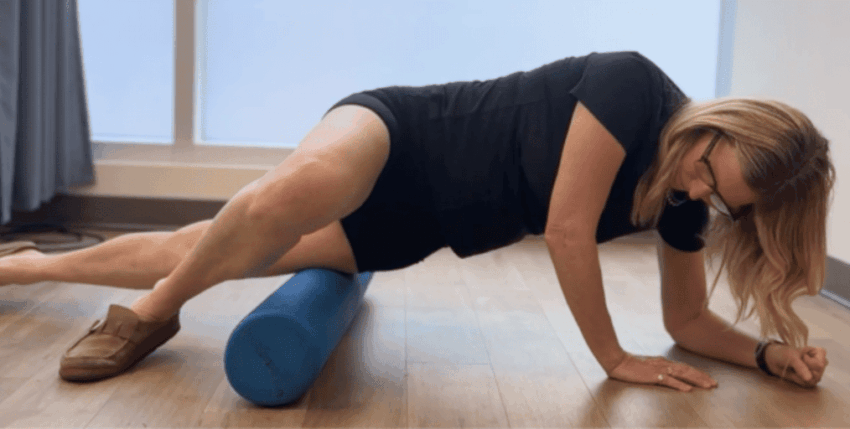
Can You Foam Roll Too Much? Why Strength and Movement Matter More
TLDR
Yes, you can foam roll too much, particularly if rolling has become a daily ritual for the same recurring tightness without addressing the underlying cause. Foam rolling temporarily changes how sensitive and sore an area feels, but it does not build strength, improve movement patterns, or resolve the reasons why tightness keeps returning. If you need to roll constantly to feel comfortable, your body is likely asking for a better strategy.
If you foam roll the same tight spot every day and the tightness keeps coming back, you are not alone. Many people treat their roller as a non-negotiable part of their routine, particularly for calves, hamstrings, thoracic spine, and hip flexors. And while foam rolling is not harmful in moderate amounts, the daily ritual of chasing the same sore spot is worth paying attention to.
The roller is not the problem. The pattern is. Recurring tightness in the same area is usually telling you something about how that part of your body is loading, moving, or compensating, and no amount of rolling will change that on its own.
This article covers what foam rolling actually does, how often to use it, the downsides of overusing it, and why strengthening stabilizer muscles and improving movement patterns tends to address the root of the issue far more effectively.
The Real Question Is Not "Can You Foam Roll Too Much?" It Is "Why Do You Need It So Often?"
Foam rolling too much becomes a genuine concern when it causes pain, irritates the area, or substitutes for the strength and movement work your body actually needs. Rolling can temporarily reduce how stiff or sore something feels, but it does not build strength, improve joint control, or increase your body’s tolerance for the demands you place on it.
When the same area keeps tightening up, it is worth asking why. A few common examples from clinical practice:
- Tight calves that return repeatedly often relate to foot, ankle, or hip strength rather than the calf itself being “too short.”
- A persistently tight low back frequently reflects limited hip control, reduced trunk endurance, or sustained postures that place more demand on the back than it is conditioned to handle.
- Recurring shoulder tightness often reflects how the shoulder blade, neck, and upper back are working together, not a tissue problem in isolation.
Rolling provides a short-term input to the nervous system. It does not change the underlying loading pattern, movement strategy, or strength capacity that is driving the recurring sensation. Treating it as a long-term solution, rather than a temporary tool, is where the approach starts to fall short.
What Does Foam Rolling Actually Do?
The evidence on foam rolling is more modest than its popularity suggests. Research published in the National Library of Medicine indicates that foam rolling produces short-term improvements in flexibility and perceived recovery for some people, particularly around performance and soreness after exercise. A separate study on foam rolling for delayed-onset muscle soreness found similar modest benefits for comfort after activity.
One important clarification: foam rolling does not “break up scar tissue,” permanently lengthen muscles, or fix the structural cause of recurring pain. What it likely does is temporarily alter how sensitive your nervous system is to pressure and movement in that area. The sensation of tightness or soreness often reflects the nervous system’s level of alertness rather than a purely mechanical problem in the tissue itself.
With that in mind, foam rolling for muscle soreness can have a reasonable place in your routine if it helps you feel more comfortable moving after activity. The key word is “moving.” If rolling helps you warm up and get into exercise more comfortably, it is serving a useful purpose. If it has become a standalone ritual that delays or replaces exercise, its value is more limited.
Keep pressure tolerable. A general guideline supported by clinical practice is to spend roughly 30 to 90 seconds on an area. Spending longer on the same spot rarely produces proportionally greater benefit, and more pressure is not always better.
What Are the Downsides of Foam Rolling Too Much?
More rolling is not always better, and there are real downsides to using it excessively.
Aggressive rolling on sensitive tissue can increase local irritation, cause bruising, and prompt the nervous system to become more protective of the area, which is the opposite of the intended effect. If you find yourself needing a firmer roller or more pressure to get the same relief, that pattern is worth noticing.
Common signs that foam rolling may be overused include:
- You roll the same area daily but the tightness returns within minutes of finishing.
- You need progressively more pressure to feel the same effect.
- Rolling leaves the area feeling sore, tender, or more guarded than before.
- You feel you cannot exercise until you have rolled first.
- Symptoms return as soon as you stand, walk, run, lift, or sit again.
If relief lasts only a few minutes, that is useful information. It suggests the area is responding to a temporary change in nervous system sensitivity rather than a lasting change in tissue quality or movement capacity. A strategy that builds strength and improves movement patterns is more likely to extend that window of comfort over time.
It is also worth noting some situations where foam rolling should be avoided altogether. Do not roll directly over acute injuries, areas of significant swelling, unexplained bruising, sites with altered sensation, varicose veins, or areas of concern that have not been assessed by a healthcare professional. When in doubt, get assessed first.
Why Strengthening Stabilizer Muscles Often Works Better Than Chasing Tightness
Stabilizer muscles are the muscles that help joints stay supported and guide movement, so the larger muscles around them do not have to overcompensate. When stabilizers are not doing their job effectively, other muscles pick up the slack. Those muscles often feel tight, sore, or fatigued because they are working harder than they should be.
This is an important reframe. A muscle that feels tight is not necessarily short or damaged. It is often a muscle that is overworked, under-supported, or repeatedly asked to compensate for something else nearby.
Some practical examples:
- Hip and glute strength influences how the knee, foot, and low back load during walking, running, and lifting.
- Deep trunk muscles support the spine during bending, sitting, and activity, reducing how much the superficial back muscles need to guard.
- Shoulder blade muscles help the neck and shoulder share load more evenly during overhead and reaching tasks.
- Foot and ankle stabilizers contribute to balance, walking efficiency, and standing tolerance.
Saying that stabilizers need work does not mean a person is fragile or broken. It means certain muscles or movement strategies benefit from more consistent practice and progressive loading. The Baylor College of Medicine notes that building functional strength is one of the most important factors in reducing injury risk and staying active over time.
Building this kind of capacity tends to reduce how often an area “needs” rolling because the body is no longer relying on the same compensation pattern to get through daily activity.
Do Better Movement Patterns Reduce the Need to Keep Rolling?
Movement patterns describe how joints and muscles coordinate during real activities, such as squatting, lifting, walking, running, reaching, or climbing stairs. When a pattern is less efficient, certain areas absorb more load than they are conditioned for, and those areas tend to feel tight or sore.
A physiotherapist assessing movement patterns looks at things like:
- How the hip, knee, and foot align during a squat or step-down.
- Whether the back, hips, and trunk share load appropriately during lifting.
- How the shoulder blade moves when reaching overhead.
- Whether symptoms change when technique, load, or pacing is adjusted.
The goal is not perfect posture or rigid, controlled movement. It is adaptable, confident movement that allows the body to respond to varied demands without repeatedly overloading the same structure. When movement patterns improve, the areas that used to tighten up after every workout or long day at a desk often become noticeably less reactive over time.
This is where joint mobilization and movement retraining, when indicated, work alongside strengthening to address how tissues and joints move together, rather than treating tightness in isolation.
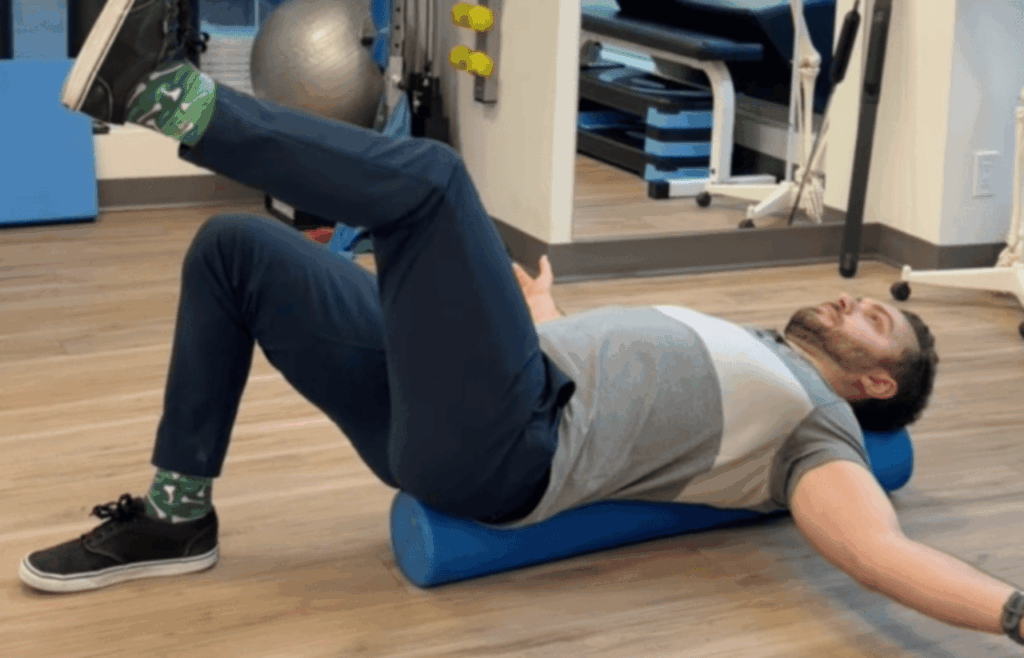
How Often Should You Foam Roll?
Foam rolling is reasonable as a brief warm-up or recovery tool when used in proportion. The evidence supports it as a temporary aid, not a substitute for the work that builds lasting capacity.
A practical framework:
Use Case | Approach |
Pre-exercise warm-up | 30 to 90 seconds per area, tolerable pressure, followed by active movement |
Post-exercise recovery | Brief rolling on worked areas alongside active cool-down and movement |
Daily persistent tightness | Roll and retest a movement; if nothing changes, rolling is likely not the right tool |
Acute pain or injury | Avoid rolling until assessed by a physiotherapist |
A simple test-and-retest approach helps you evaluate whether rolling is actually helping. Check a movement that feels stiff, such as a squat, calf raise, or overhead reach. Foam roll briefly. Recheck the same movement. If comfort or range of motion improves, rolling is serving a purpose. If nothing changes, a different strategy is worth exploring.
Stop foam rolling if pain worsens, symptoms spread, numbness or tingling appears, bruising develops, or the area feels more sensitive after rolling. Stop relying on rolling as your primary strategy if the same symptoms keep returning and are affecting your daily activities, training, sleep, or work.
Key Takeaways
- Foam rolling produces short-term changes in how sensitive and sore an area feels; it does not build strength, improve movement patterns, or resolve the underlying cause of recurring tightness.
- Spending 30 to 90 seconds on an area is sufficient; more pressure and longer durations do not consistently produce greater benefit and can irritate sensitive tissue.
- Recurring tightness in the same spot is usually a signal about how that area is loading, moving, or compensating, not a sign that you need to roll more.
- Strengthening stabilizer muscles and improving movement patterns addresses the reason why certain areas keep overworking, which tends to reduce how often those areas feel tight or sore.
- Use a test-and-retest approach: if rolling does not change the movement or symptom you are trying to improve, it is likely not the right tool for that issue.
- Stop foam rolling and seek assessment if symptoms worsen, spread, or include numbness and tingling, or if you feel dependent on rolling before you can move comfortably.
Ready to Move Without Relying on the Roller?
If foam rolling has become a daily necessity because the same tightness or soreness keeps returning, it is worth looking at what is actually driving that pattern.
At Avenue Physio in downtown Calgary, a registered physiotherapist will assess how you move, identify the factors contributing to your symptoms, and work with you to build a clear, individualized plan. That plan might include strength work, movement retraining, load management, or hands-on care, depending on what your assessment reveals.
The goal is not to take away the tools that help you feel better. It is to help you understand your body well enough that you need those tools less often over time. If you are unsure whether your foam rolling habit is helping, overused, or masking something that deserves a closer look, booking an assessment is a straightforward next step.
Frequently Asked Questions
Can you foam roll too much?
Yes. Foam rolling too much becomes a concern when it causes pain, leads to bruising, irritates sensitive tissue, or takes the place of strengthening and movement work. If you are rolling the same area every day and the tightness keeps returning shortly afterward, the underlying issue has likely not been addressed. Rolling is a temporary input to the nervous system, not a substitute for building strength and movement capacity.
Is foam rolling good for muscle soreness?
Foam rolling for muscle soreness offers modest, short-term benefits for some people. Research suggests it reduces perceived soreness after activity and helps some people feel more comfortable moving. It works best as one part of a broader recovery approach that includes appropriate exercise, gradual progression, sleep, and active movement rather than as a standalone solution.
When should I stop foam rolling and see a physiotherapist?
Stop foam rolling if symptoms worsen, pain feels sharp or spreading, numbness or tingling appears, bruising develops, or the area becomes more sensitive after rolling. Consider seeing a physiotherapist if tightness keeps returning despite regular rolling, if symptoms are limiting your daily activities or training, or if you feel you cannot move comfortably without rolling first. These patterns suggest the root cause deserves a more thorough and individualized assessment.