Personalized Physiotherapy: Why Your Recovery Plan Should Fit Your Life

Personalized Physiotherapy: Why Your Recovery Plan Should Fit Your Life

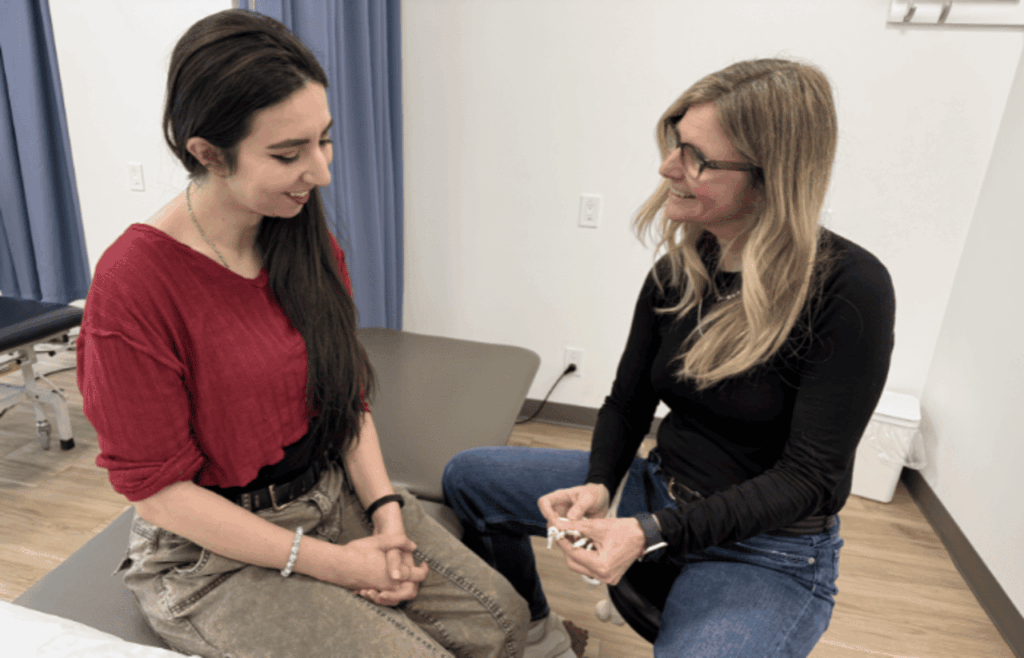
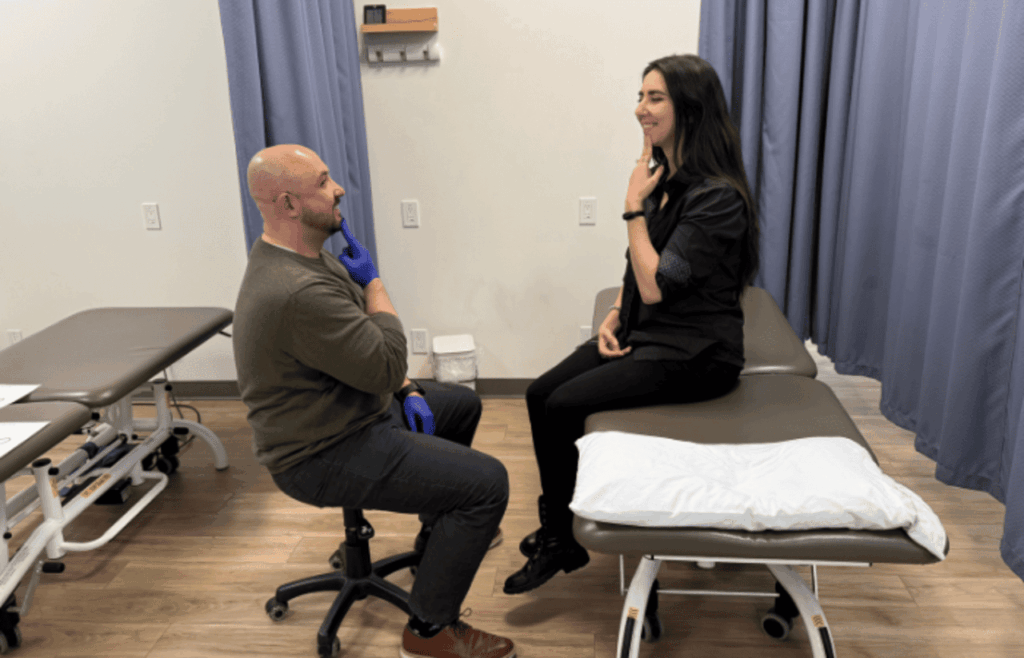
A personalized recovery plan begins with understanding what is going on, why it happened, and what you’re hoping to get back to. While two people may share the same diagnosis, their recovery plans should reflect their unique goals, lifestyle, and the factors that influence their recovery. Rather than following a generic protocol, great physiotherapy combines a thorough assessment with a plan designed around the activities and life that matter most to you.

1. What is going on?

Every successful recovery begins with an accurate diagnosis.

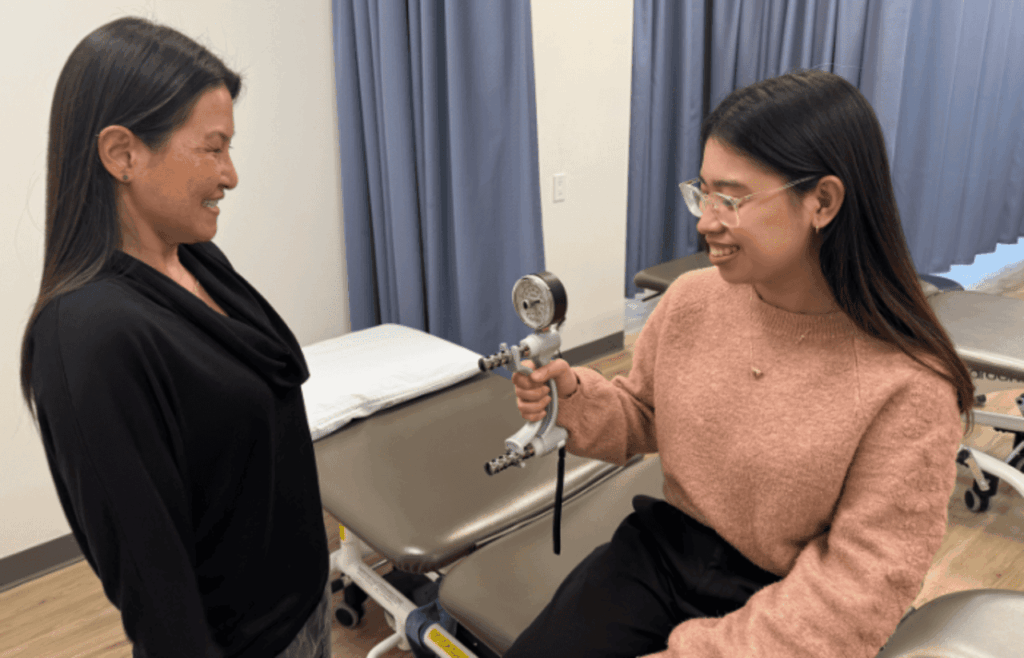
Before deciding on the right treatment, your physiotherapist needs to understand exactly what is causing your symptoms. This involves listening to your history, understanding how your symptoms developed, assessing how you move, and performing a thorough physical examination.

A clear diagnosis helps answer some of the most important questions patients have:

  • What is causing my pain?
  • How serious is my injury?
  • Can physiotherapy help?
  • What can I expect during recovery?

Understanding your condition reduces uncertainty and provides the foundation for a successful recovery plan.

customized physiotherapy

2. Why Did It Happen?

Knowing what is causing your pain is only part of the picture.

Just as important is understanding why it developed.

Sometimes the answer is straightforward. You may have fallen, twisted your knee skiing, or lifted something that was simply too heavy.

More often, however, pain develops because several factors gradually exceed what your body can comfortably tolerate.

These contributing factors might include:

  • Doing too much, too quickly
  • Repetitive work or sporting activities
  • Muscle weakness
  • Reduced flexibility or joint mobility
  • Previous injuries
  • Changes in activity levels
  • General health
  • Poor recovery between activities

Understanding these contributing factors helps us treat more than your symptoms. It allows us to address the reasons the problem developed in the first place and reduce the likelihood of it returning.

3. What Could Affect My Recovery?

Recovery isn’t determined by your diagnosis alone.

Many different factors can influence how quickly you recover and how confident you feel returning to your normal activities.

During your assessment, we may discuss:

  • Your work and daily activities
  • Exercise habits
  • Previous injuries
  • Sleep
  • Stress
  • General health
  • Confidence with movement
  • Your expectations for recovery
  • The support you have at home

These conversations help us identify anything that could slow recovery, as well as opportunities that can help you recover more successfully.

Understanding the person recovering from the injury is just as important as understanding the injury itself.

personalizing physiotherapy

4. Understanding What Success Looks Like

This is often the conversation that makes a recovery plan truly personal.

Two people can have the same diagnosis but completely different goals.

Imagine two people with rotator cuff pain.

One wants to sleep comfortably through the night.

The other wants to return to swimming.

Or consider two people with knee arthritis.

One wants to walk comfortably around the grocery store.

The other wants to hike in Banff next summer.

The diagnosis is the same.

The recovery plan shouldn’t be.

That’s why we’ll often ask questions like:

  • What are you hoping physiotherapy helps you get back to?
  • What has this stopped you from doing?
  • What would a successful recovery look like for you?

Your answers help us create goals that reflect what matters most to you—not just what looks good on a chart.

5. Building a Recovery Plan Together

Once we understand your diagnosis, the contributing factors, and your goals, we build your recovery plan together.

Your treatment plan may include:

  • Hands-on treatment
  • Exercise therapy
  • Education about your condition
  • Strategies to manage flare-ups
  • Activity modification
  • A home exercise program

Just as importantly, we’ll discuss:

  • What improvements you can expect
  • How long recovery is likely to take
  • How progress will be measured
  • What you can do to help yourself recover

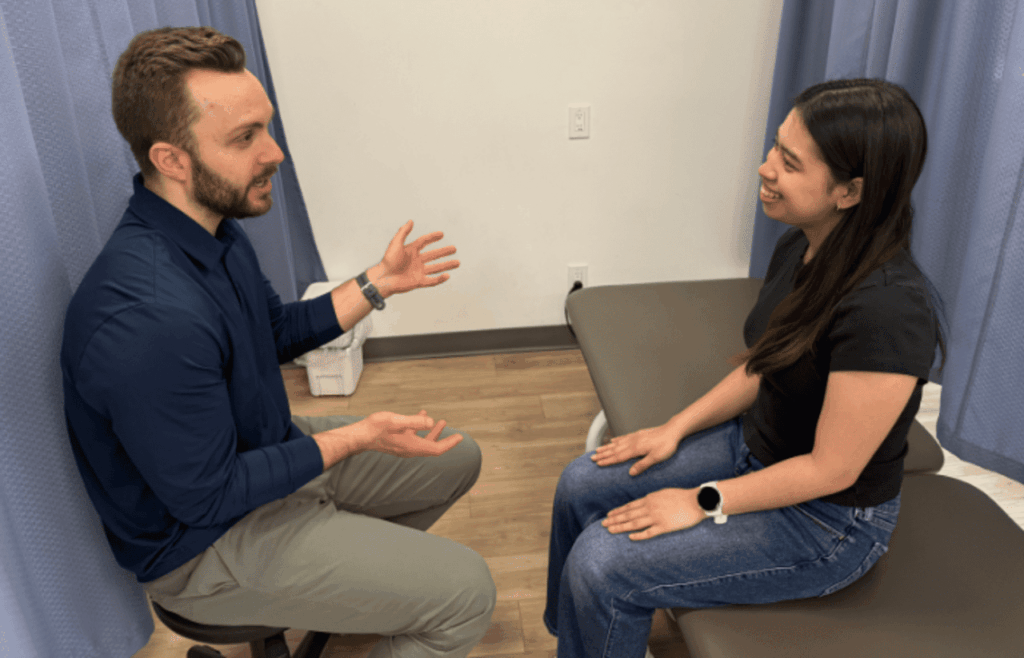
A recovery plan isn’t something your physiotherapist simply gives you.

It’s something you build together.

custom physiotherapy plans

6. Your Recovery Plan Should Evolve

Recovery isn’t a straight line.

As your body changes, your recovery plan should change too.

Early treatment may focus on reducing pain and restoring movement.

As you improve, treatment progresses toward building strength, improving confidence, increasing activity, and helping you return to the things that matter most.

A personalized recovery plan evolves as you recover rather than following the same routine week after week.

Personalized Care Is About More Than Exercises

Many clinics talk about personalized exercises.

We believe personalized care goes much further.

A truly personalized recovery plan begins with understanding your diagnosis, why your symptoms developed, and what you’re hoping to get back to. It also considers the many factors that may influence your recovery.

For some people, recovery is limited by weakness or reduced mobility.

For others, it may be influenced by work demands, poor sleep, stress, previous injuries, or general health.

Sometimes people are worried about what their X-ray or MRI means. Others are afraid that movement will make the injury worse or believe that pain always means damage is occurring. These concerns and beliefs can influence confidence, activity levels, and ultimately recovery.

That’s why a personalized recovery plan isn’t simply a list of exercises.

It also includes education to help you better understand your condition, guidance to safely return to activity, strategies to overcome barriers, and regular adjustments as your body becomes stronger and more capable.

At Avenue Physio, we believe the best recovery plans treat more than the injury. They help you understand your body, build confidence in movement, and return to the activities, work, sport, hobbies, and everyday moments that matter most to you.

customized physio

The Avenue Perspective

At Avenue Physio, we believe a personalized recovery plan is about more than prescribing the right exercises.

It starts by understanding what is going on, why it happened, what may influence your recovery, and what you’re hoping to get back to.

When we understand both your condition and the person behind it, we can create a recovery plan that fits your body, your goals, and your life.

Because great physiotherapy isn’t just about reducing pain.

It’s about helping you get back to the life you want to live.

Changing Lives with Movement.

FAQs

Why do two people with the same injury receive different treatment plans?

No two people recover in exactly the same way. While the diagnosis may be the same, your goals, work, hobbies, lifestyle, and the factors influencing your recovery are unique. A personalized recovery plan is designed around you, not just your injury.

Why does my physiotherapist ask about sleep, stress, work, or previous injuries?

Recovery is influenced by more than the injured body part. Factors such as sleep, stress, work demands, previous injuries, and general health can all affect how quickly you recover. Understanding the bigger picture helps us create a treatment plan that is realistic, practical, and tailored to your needs.

Why do I need a treatment plan if I just want the pain to go away?

Reducing pain is an important goal, but it’s rarely the only goal.

A treatment plan helps identify what is causing your symptoms, why they developed, what may influence your recovery, and how we’ll help you return to the activities that matter most to you. The goal isn’t simply to reduce pain, it’s to help you get back to living your life.

How do I know if my recovery plan is working?

Progress isn’t measured by pain alone. Improvements in strength, movement, confidence, and your ability to return to meaningful activities are all signs that you’re moving in the right direction. Success may mean sleeping through the night, returning to work comfortably, playing with your children, or getting back to your favourite sport.

What should I expect to leave my first physiotherapy appointment knowing?

By the end of your first visit, you should understand:

  • What is going on.
  • Why it happened.
  • What may influence your recovery.
  • What success looks like for you.
  • What your treatment plan involves.
  • What to expect next.

A good assessment doesn’t just identify the problem, it gives you confidence in your recovery plan.