Dry Needling vs Acupuncture: Same Needles, Different Clinical Approach

Dry Needling vs Acupuncture: Same Needles, Different Clinical Approach

The Short Answer

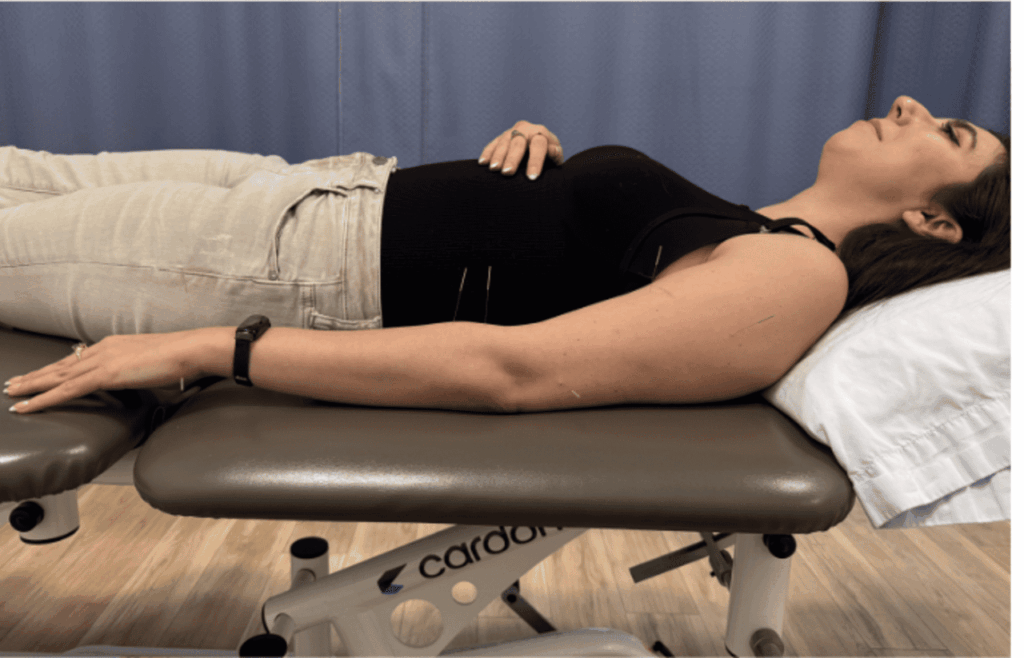
Dry needling and acupuncture both use thin, sterile solid filament needles. While the needles are similar in appearance, dry needling needles are often slightly thicker and stiffer because they are designed to reach muscle tissue.

Dry needling is used by physiotherapists following a comprehensive musculoskeletal assessment, while acupuncture follows its own diagnostic and treatment principles. Although the needles look similar, the assessment, clinical reasoning, and treatment goals differ.

If you’ve ever wondered whether dry needling and acupuncture are the same thing, you’re not alone.

Because both treatments use similar needles, many people assume they are simply different names for the same technique. In reality, they are different approaches that happen to share a common tool.

Both dry needling and acupuncture may be used to help people with musculoskeletal pain and movement problems. The important difference is not the conditions they may be used for, but how the clinician assesses the problem, determines where the needles are placed, and how needling fits into the overall treatment plan.

This article explains how dry needling differs from acupuncture, how each approach guides treatment, and what those differences mean if you’re deciding which approach is right for you.

Similar Needle, Different Clinical Reasoning

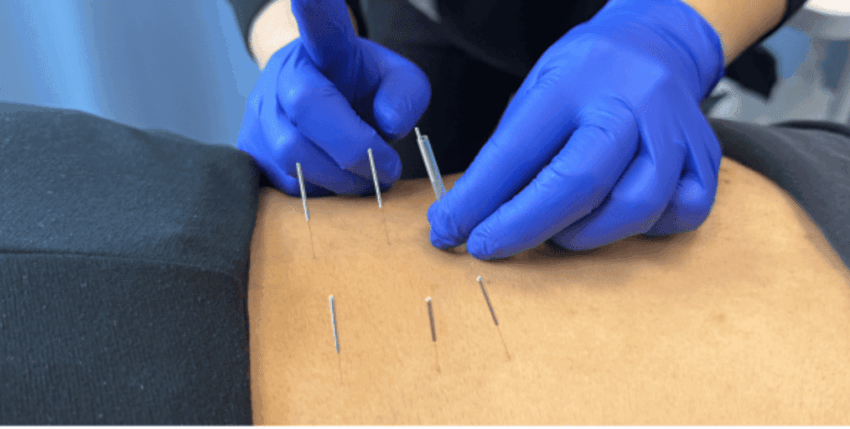
Dry needling and acupuncture both use thin, sterile, solid filament needles. Although the needles are similar in appearance, dry needling needles are often slightly thicker and stiffer because they are designed to reach muscle tissue.

The primary difference, however, is not the needle itself. It is how the practitioner assesses the problem, determines where to place the needle, and how needling fits into the overall treatment plan.

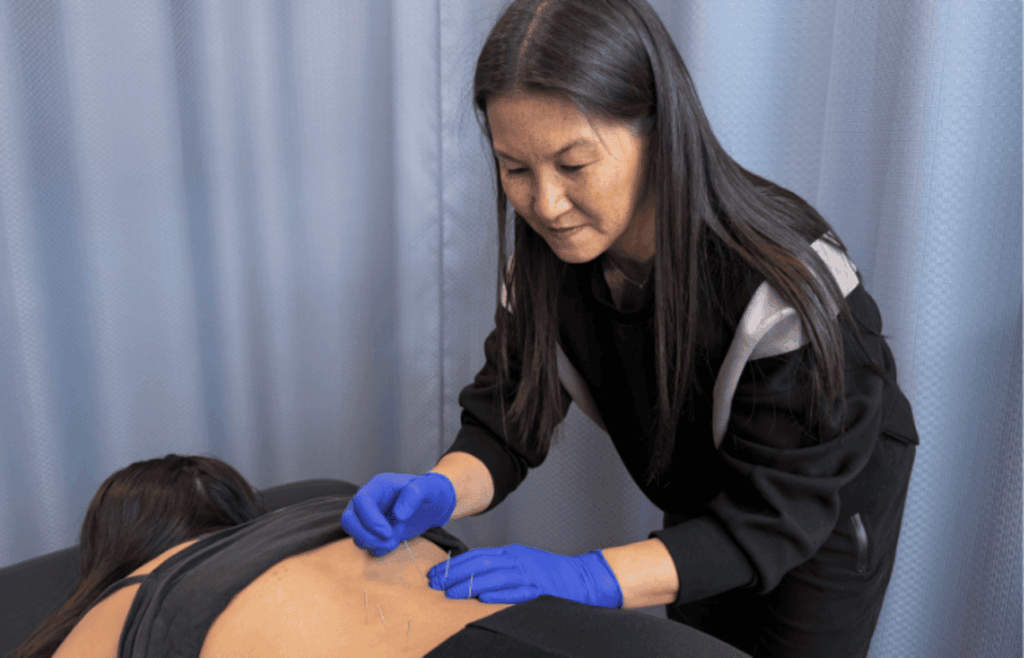
In physiotherapy, dry needling is guided by a comprehensive musculoskeletal assessment. Your physiotherapist considers your symptoms, movement, strength, mobility, medical history, and functional goals before deciding whether dry needling is appropriate. If it is, the needle is directed toward muscles or other soft tissues that may be contributing to your pain or movement limitations.

Dry needling is rarely used on its own. It is typically combined with Exercise Rehabilitation, Manual Therapy, education, and progressive loading to help you move more comfortably and return to the activities that matter most.

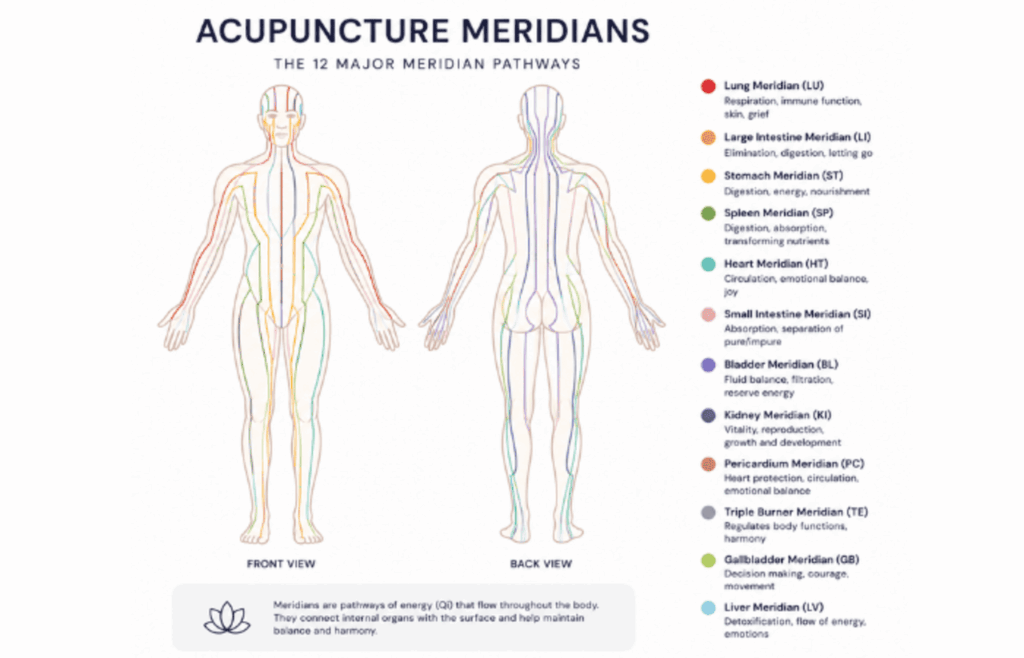
Acupuncture has a much longer history and includes several different approaches. Traditional acupuncture is based on the principles of Traditional Chinese Medicine, while Western medical acupuncture applies modern anatomical and neurophysiological principles using recognized acupuncture points. Although the same type of needle may be used, the assessment process and treatment approach differ from physiotherapy dry needling.

Ultimately, the important distinction is not the needle itself but the clinical framework guiding its use. Two healthcare professionals may use the same needle while applying it differently based on their training, assessment, and treatment approach.
What Is Dry Needling?

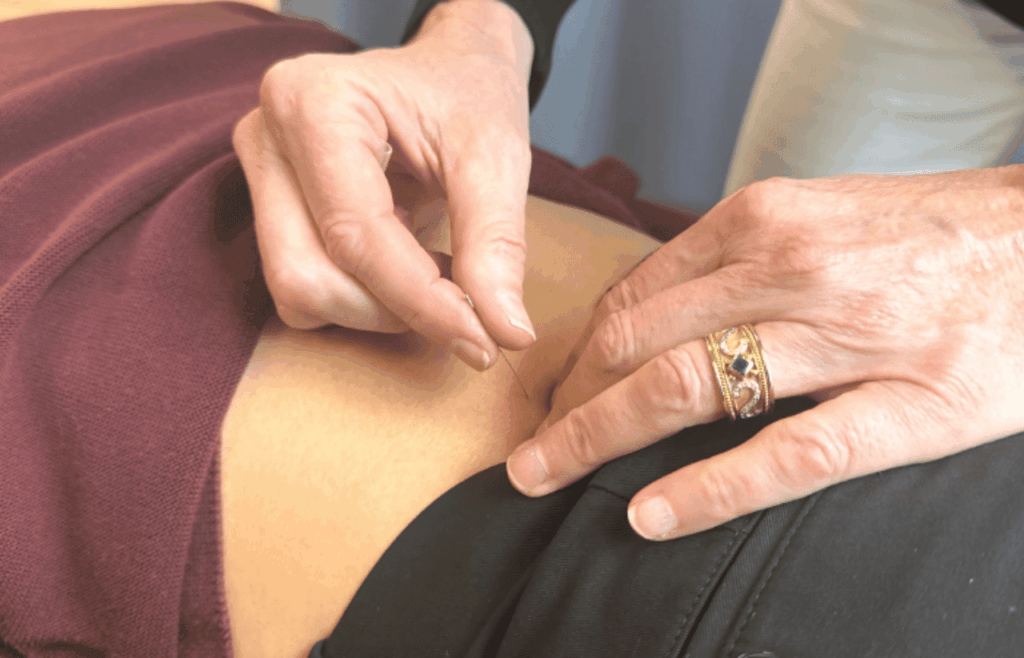
Dry needling is a treatment that uses a thin, sterile needle to target muscles and other soft tissues that may be contributing to pain, movement restriction, or increased muscle sensitivity. The word dry simply means that no medication or fluid is injected. The needle itself is the treatment.

Dry needling may be used by physiotherapists as part of a comprehensive treatment plan for Neck Pain, Back Pain, Shoulder Pain, TMJ Physiotherapy, headaches, sports injuries, and other muscle and joint conditions. It is one of many treatment options that may be recommended when your assessment suggests it could help reduce pain, improve movement, or support your rehabilitation.

Before recommending dry needling, your physiotherapist determines whether it is appropriate based on your history, physical examination, movement assessment, and rehabilitation goals.

The goal of dry needling is not simply to reduce pain. It is often used to improve comfort, decrease muscle guarding, or make movement easier so you can participate more effectively in your rehabilitation. Lasting recovery typically comes from combining dry needling with Exercise Rehabilitation, education, progressive loading, and other evidence-based physiotherapy treatments.

Some people experience a brief muscle contraction when the needle is inserted, known as a local twitch response. Others may not experience this at all. While it can occur during treatment, a local twitch response is not necessary for dry needling to be effective.

IMS vs acupuncture

What Is Acupuncture?

Acupuncture is a well-established needling practice that has been used for thousands of years. Today, it includes several different approaches, each with its own training and treatment framework.

Traditional acupuncture is based on the principles of Traditional Chinese Medicine and involves selecting acupuncture points according to that system. Other practitioners use Western medical acupuncture, which applies modern anatomical and neurophysiological principles while still using recognized acupuncture points.

Although these approaches differ, they are distinct from physiotherapy dry needling. The main difference is how treatment is planned and how the needle is used within each approach.

If you’ve had acupuncture before, dry needling may feel physically similar because both treatments use very fine needles. However, they are performed for different reasons and are integrated differently into your overall care.

acupuncture vs dry needling

Dry Needling vs Acupuncture: What's the Difference?

dry needling vs acupuncture differences

Area

Dry Needling

Acupuncture

Clinical framework

Based on a musculoskeletal assessment and modern anatomy, physiology, and clinical reasoning.

Based on traditional Chinese medicine or Western medical acupuncture, depending on the practitioner’s training.

Treatment targets

Muscles and other soft tissues identified during a physiotherapy assessment.

Acupuncture points selected according to the practitioner’s clinical framework.

Primary goal

Help reduce pain, improve movement, and support rehabilitation.

Varies depending on the practitioner’s approach and the condition being treated.

Assessment

Comprehensive physiotherapy assessment focused on movement, strength, function, and your goals.

Assessment follows the practitioner’s diagnostic approach and treatment philosophy.

Role in recovery

One part of a broader rehabilitation plan that often includes Exercise Rehabilitation, education, and Manual Therapy.

Varies depending on the practitioner and treatment approach.

What you may feel

Pressure, a deep ache, a muscle twitch, or temporary soreness.

Often described as pressure, tingling, warmth, or a mild aching sensation, although experiences vary.

Can Acupuncture and Dry Needling Be Used for Similar Conditions?

Yes. Both acupuncture and dry needling may be used to help people with musculoskeletal conditions such as neck pain, back pain, shoulder pain, headaches, and other movement-related problems.

Because both treatments can be used for similar conditions, it’s easy to assume they are the same. In reality, the difference is not the condition being treated but how the practitioner assesses the problem, determines where to place the needle, and how the treatment fits into the overall plan of care.

This means two healthcare professionals may treat the same condition using similar needles while choosing different treatment approaches based on their training and assessment.

comparing dry needlinga nd acupuncture

What Does the Research Show?

Research suggests that both dry needling and acupuncture may help reduce pain and improve function for some people with musculoskeletal conditions such as neck pain, back pain, shoulder pain, and headaches.

However, there are relatively few high-quality studies that compare dry needling directly with acupuncture. Based on the current evidence, neither treatment has consistently been shown to be more effective than the other for musculoskeletal pain.

In physiotherapy, dry needling is typically one component of a broader rehabilitation program that may also include Exercise Rehabilitation, Manual Therapy, education, and progressive loading.

Rather than asking which treatment is “better,” a more helpful question is which approach is most appropriate for your condition, your goals, and your preferences.

Which Treatment Is Right for You?

There is no single answer that applies to everyone.

Both dry needling and acupuncture can be appropriate treatment options. The right choice depends on your symptoms, your goals, your preferences, and the assessment performed by the practitioner providing your care.

If your primary concern is a muscle, joint, or movement problem, a physiotherapist can determine whether dry needling should be included as part of your rehabilitation. For others, acupuncture may be the approach they prefer or have previously found helpful.

The most important decision is not choosing between dry needling and acupuncture. It is choosing a qualified healthcare professional who performs a thorough assessment, explains their reasoning, and develops a treatment plan that reflects your individual goals.

At the end of the day, recovery rarely depends on a single treatment. It comes from understanding what is contributing to your symptoms and building a treatment plan that helps you move with confidence and return to the activities that matter most.

Frequently Asked Questions

1. Is dry needling the same as acupuncture?

No. Although both treatments use thin, sterile needles, they are based on different clinical frameworks. Dry needling is performed by physiotherapists as part of a musculoskeletal assessment and rehabilitation plan, while acupuncture follows its own assessment and treatment principles. The needles may look similar, but the assessment, treatment goals, and clinical approach differ.

2. Are the needles used for dry needling and acupuncture the same?

Not exactly. Both treatments use thin, sterile, single-use filament needles, but dry needling needles are often slightly thicker and stiffer because they are designed to reach muscle tissue. The more important difference, however, is how the practitioner assesses the problem, determines where the needle is placed, and how the treatment fits into your overall plan of care.

3. Is dry needling or acupuncture better?

Current research has not consistently shown one treatment to be more effective than the other for musculoskeletal pain. Both may help reduce pain and improve function for some people. The most appropriate treatment depends on your symptoms, your goals, and the clinical approach of the practitioner providing your care.

4. How do I know which treatment is right for me?

The best choice depends on your symptoms, your goals, and the type of care you are looking for. If you are seeing a physiotherapist for a muscle, joint, or movement problem, they can determine whether dry needling should be included as part of your rehabilitation. The most important step is having a thorough assessment and an individualized treatment plan.