Home/Physiotherapy/ Foot Physiotherapy: Flat Feet and High Arches Explained
Foot Physiotherapy: Flat Feet and High Arches Explained
Foot Physiotherapy: Flat Feet and High Arches Explained
The shape of your arch is rarely the whole story. To understand why some people develop foot pain while others don’t, you first need to understand how the foot is designed to work.
Let's Understand How the Foot Actually Works
The human foot is one of the most remarkable mechanical structures in the body.
Every time you take a step, 26 bones, 33 joints, and more than 100 muscles, tendons, and ligaments work together to solve an incredible engineering challenge. Within a fraction of a second, your foot transforms from a soft, flexible shock absorber into a rigid lever capable of propelling your entire body forward.
It repeats this remarkable transition thousands of times every day without us giving it a second thought.
The foot is one of the few structures in the body that has to be both mobile and stable at exactly the right time.
If it is too stiff when it first contacts the ground, it cannot absorb shock or adapt to the surface beneath you.
If it remains too mobile during push off, it cannot become the rigid lever needed to move you forward efficiently.
This is why the shape of your arch tells us surprisingly little about how well your foot functions.
Having a low arch is not automatically a problem. Neither is having a high arch.
The real question is whether your foot can successfully transition from a flexible shock absorber into a rigid lever at exactly the right time.
The Foot Has One Remarkable Job
During every step, your foot has to become two completely different structures.
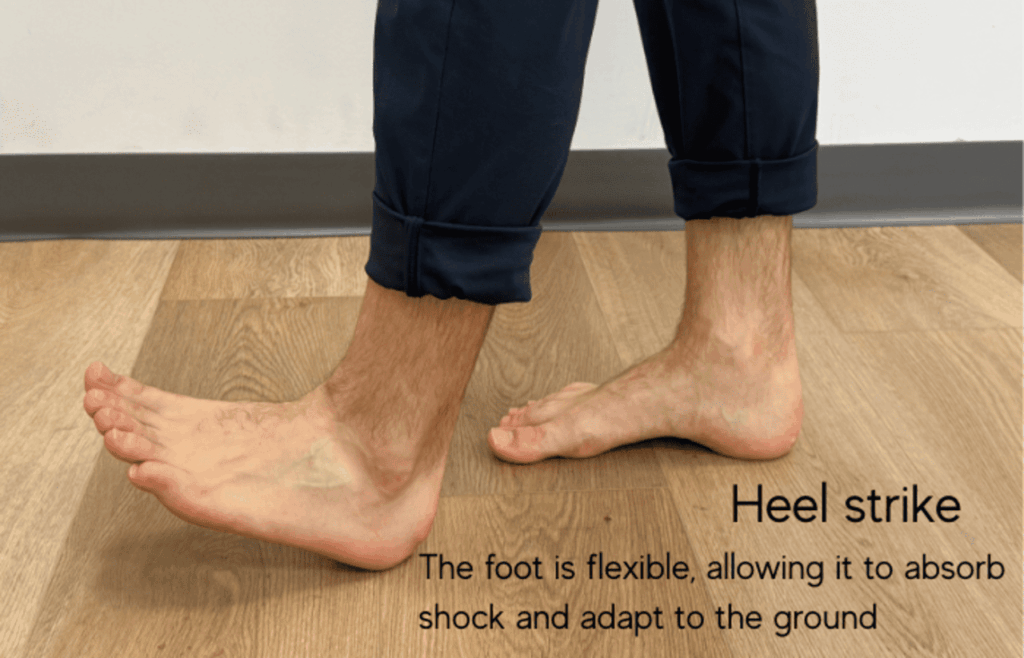
When your heel first contacts the ground, the foot needs to be mobile. It absorbs impact, adapts to uneven surfaces, and helps distribute the forces travelling through your body.
As your body moves over the foot, everything begins to change.
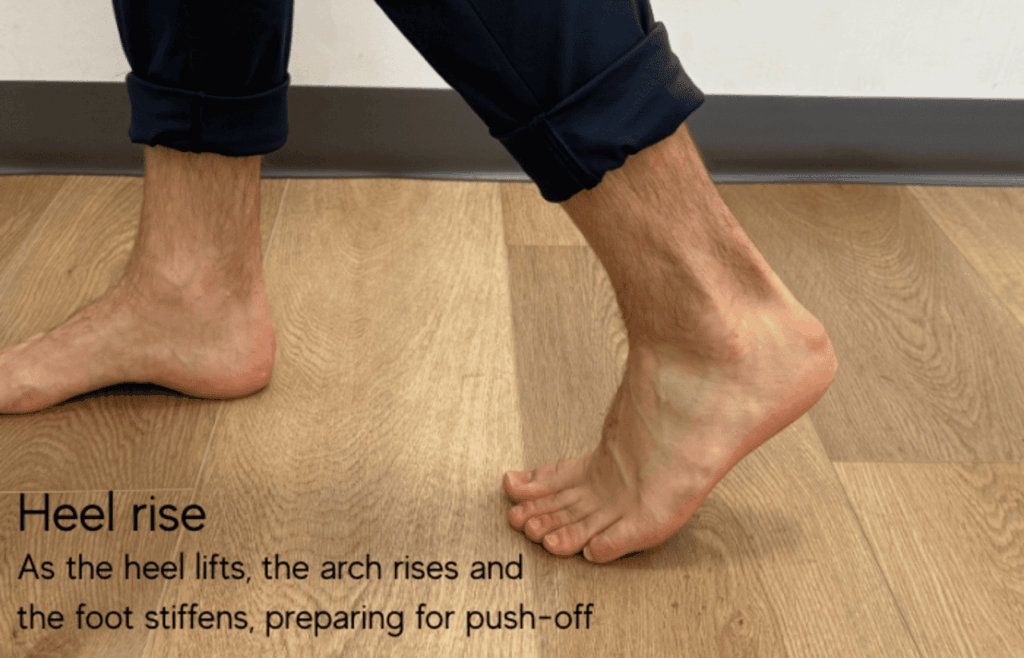
The foot gradually becomes more stable. The arch rises, the joints stiffen, and the foot prepares to become a rigid lever capable of generating the force needed for push off.
This remarkable transition happens every time you walk, run, climb stairs, or hike a trail.
Healthy feet are not defined by the height of the arch. They are defined by how well they transition from mobility to stability.
How Does the Foot Make This Transition?
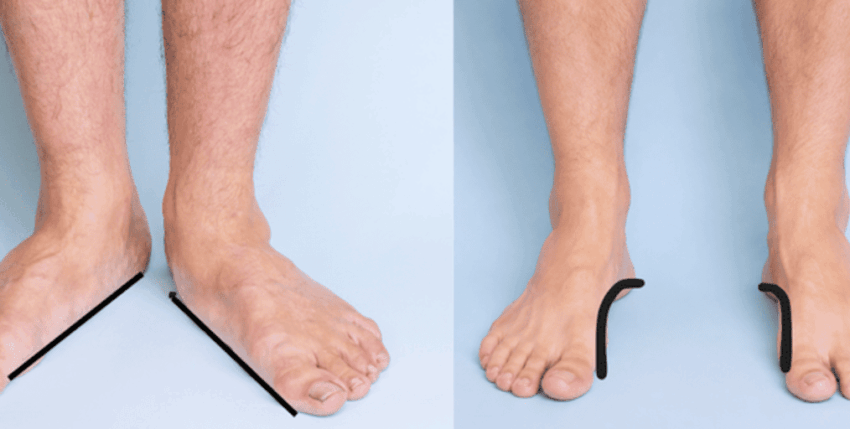
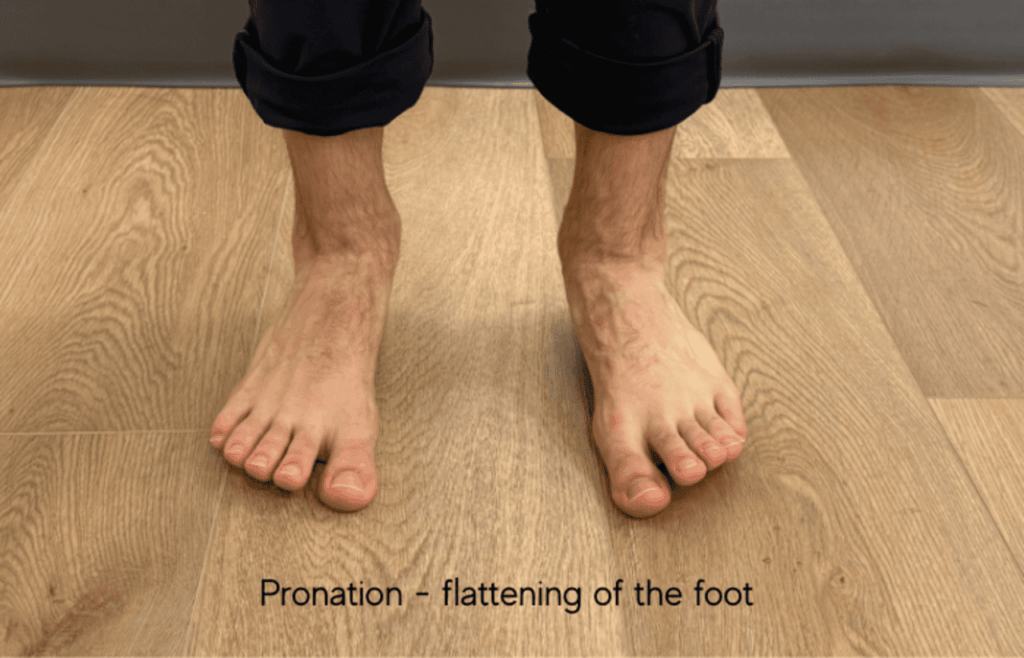
When your heel first contacts the ground, it usually lands slightly toward the outside of the heel before the foot naturally rolls inward. This movement is called pronation.
Pronation is not a fault. It is an essential part of normal walking. It allows the foot to absorb shock, adapt to uneven surfaces, and store energy for the next phase of the gait cycle.
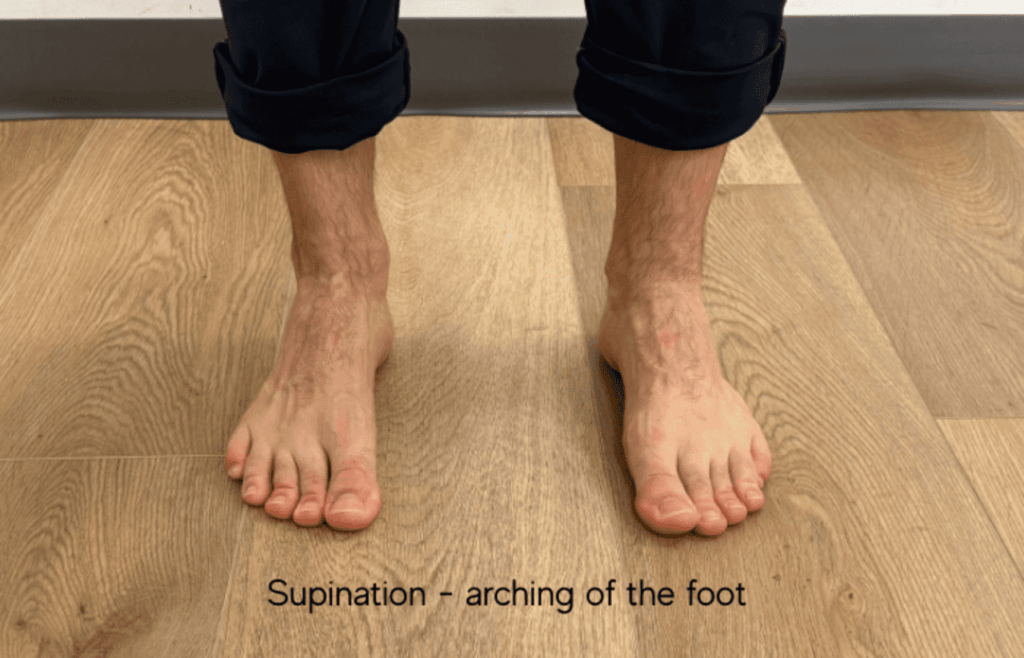
As your body moves over the foot, the process begins to reverse. The foot gradually becomes more stable, the arch rises, and the joints stiffen.
By the time you push off the ground, the big toe should extend approximately 60 degrees. This tightens the plantar fascia through the windlass mechanism, helping transform the foot into a rigid lever capable of generating forward propulsion.
The foot should be mobile when you land and stable when you leave the ground.
The Structures Behind Every Step
Several muscles and structures work together to create this remarkable transition.
The calf muscles generate the power needed for push off.
Tibialis posterior helps control pronation and supports the arch as the foot becomes more stable.
The peroneal muscles provide lateral stability and help guide the foot through each phase of walking.
The intrinsic foot muscles provide fine control of the arch and help stabilise the foot under load.
The plantar fascia behaves like a spring, storing and releasing energy as the big toe extends during push off.
So Are Flat Feet or High Arches the Problem?
Usually not.
Many people with low arches never develop foot pain.
Many people with high arches run, hike, and play sports without limitation.
Likewise, many people with persistent foot pain have arches that appear completely average.
Arch shape is only one piece of the puzzle.
What matters far more is whether your foot has the mobility, strength, motor control, and capacity to perform its job efficiently.
When this transition is disrupted, different tissues may become overloaded. Depending on the individual, this may contribute to plantar fasciitis, hallux valgus (bunions), metatarsalgia, or recurrent ankle sprains. Each condition has its own contributing factors, but understanding how the foot is designed to function provides the foundation for understanding why these problems develop.
What Can Stop the Foot From Doing Its Job?
The remarkable thing about the foot is that all of its parts have to work together. If one link in the chain is not functioning well, another structure often has to work harder to compensate.
Sometimes the problem is mobility. A stiff ankle or big toe can make it difficult for the foot to move through its normal sequence during walking.
Sometimes the problem is strength. The calf muscles, tibialis posterior, or the small muscles within the foot may not have the capacity to control or propel the foot efficiently.
Sometimes the problem is motor control. The foot may pronate too quickly, remain pronated for too long, or fail to become the rigid lever needed for an efficient push off.
Sometimes the foot is functioning well, but it has simply been asked to do more than it is prepared for. A sudden increase in walking, running, hiking, standing, or sport can overload tissues that have not yet developed the strength or endurance to cope.
Foot pain often develops when the demands placed on the foot exceed its current capacity, not because the foot is “built wrong.”
Can You Change Your Arch?
Probably not, and in most cases you do not need to.
Many people with low arches never develop foot pain, while many people with high arches remain active throughout their lives without limitation.
What you can change is how well your foot functions.
You can improve ankle mobility, restore big toe movement, build strength and endurance in the calf and foot muscles, improve balance and coordination, and gradually increase your foot’s ability to tolerate the activities that matter to you.
The goal is not to create a perfect arch. The goal is to create a foot that performs its remarkable job well.
The Take Home Message
Whether your arch is low, high, or somewhere in between, the shape of your foot is only one piece of the puzzle.
What matters most is whether your foot can move from a flexible shock absorber to a rigid lever at exactly the right time.
Understanding this simple concept changes the way we think about foot pain.
If you’re struggling with ongoing foot pain, heel pain, bunions, or recurrent ankle sprains, start by understanding how your foot functions, not just what it looks like.
From there, a targeted rehabilitation program can focus on restoring mobility, strength, motor control, and confidence in every step.
Learn more about ourFoot & Ankle Pain page or book a physiotherapy assessment if you’d like help understanding what your foot needs to do its job well.
Frequently Asked Questions
Do flat feet always cause foot pain?
No. Many people with flat feet never develop pain, while others with average arches do. The shape of your foot is only one part of the picture. How well your foot moves, absorbs force, and generates push-off is often more important than the height of the arch.
Are high arches better than flat feet?
Not necessarily. High arches are often stiffer and may absorb shock differently, while flatter feet are generally more mobile. Neither is inherently better or worse. Both can function very well when the foot has good mobility, strength, and control.
Do I need orthotics if I have flat feet?
Not always.
Orthotics may help reduce symptoms for some people, particularly during painful periods or when the foot is being overloaded. However, they are rarely the entire solution. Improving strength, mobility, and load tolerance is often just as important.
Can physiotherapy improve flat feet?
Physiotherapy usually won’t change the shape of your arch, but it can improve how your foot functions.
Treatment may include improving ankle mobility, restoring big toe movement, strengthening the calf and foot muscles, improving balance and motor control, and helping the foot better tolerate walking, running, and daily activities.
When should I see a physiotherapist for foot pain?
If foot pain has lasted more than a few weeks, keeps returning, limits walking or exercise, or is affecting your daily activities, a physiotherapy assessment can help identify what structures may be contributing and develop a plan to improve function and reduce pain.
 Skip to content