Home/Physiotherapy/ How Desk Work Is Affecting Your Body: Neck, Back, Jaw, and More
How Desk Work Is Affecting Your Body: Neck, Back, Jaw, and More
How Desk Work Is Affecting Your Body: Neck, Back, Jaw, and More
Many people assume their posture is the main reason they have neck pain, headaches, jaw tension, or back stiffness while working at a desk.
You may have even caught yourself thinking:
“If only I sat up straighter, my pain would go away.”
The reality is often more complicated.
Research over the past decade suggests that posture itself is probably not the primary cause of pain for most people. Plenty of people sit with rounded shoulders or a forward head posture and have no symptoms at all, while others develop pain despite having excellent workstation setups.
What seems to matter more is how long we stay in one position, how much we move throughout the day, how stressed or fatigued we become, and how well our bodies tolerate the demands of work and life.
At Avenue Physio, we commonly see desk-related symptoms influenced by a combination of:
Prolonged sitting
Reduced movement throughout the day
Stress and muscle tension
Jaw clenching
Fatigue and poor recovery
Reduced physical activity
Long periods of concentration
This is why desk-related pain is often about much more than simply having “bad posture.”
The Body Naturally Drifts Forward Over Time
Most people don’t start their day slouched over their keyboard.
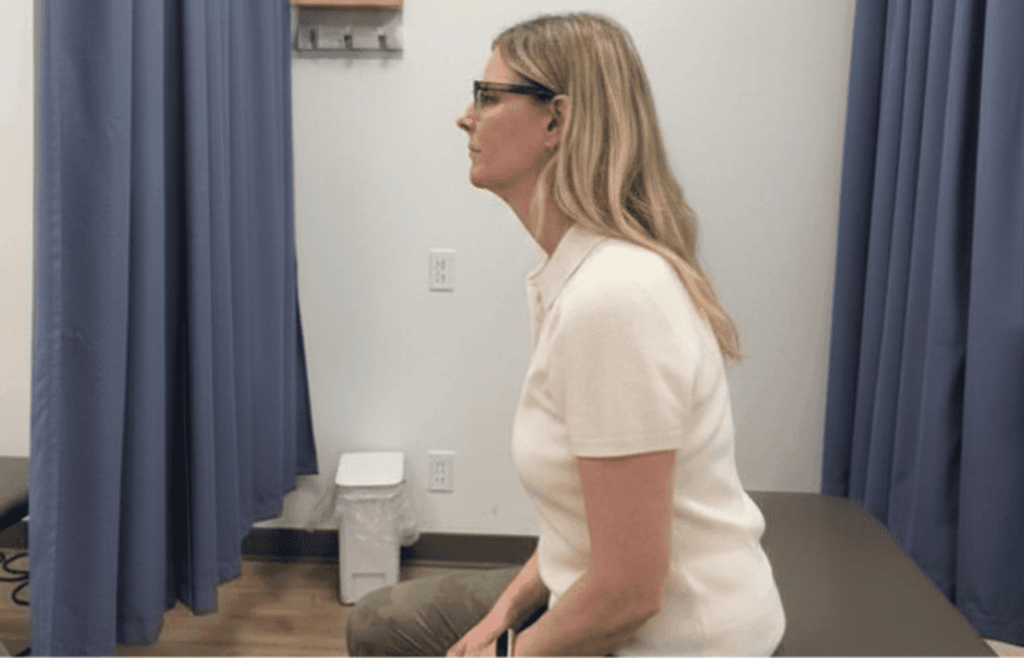
Typically, people begin in a comfortable position, but as the day progresses and concentration increases, the body gradually drifts forward. The head moves further in front of the body, the shoulders tighten, breathing becomes shallower, and movement decreases.
Research has shown that these changes can occur surprisingly quickly during prolonged computer work.
The position itself is not necessarily harmful.
The bigger issue is that many people stay in relatively fixed positions for hours at a time without enough movement or variation.
Your Neck Often Works Harder Than You Realize
Your head is relatively heavy.
As it gradually moves forward throughout the day, the muscles of the neck and upper shoulders often need to work harder to support it.
Over time, this may contribute to:
Neck stiffness
Tension headaches
Upper trapezius tightness
Fatigue
Reduced neck mobility
Pain at the base of the skull
If headaches are becoming a regular part of your workday, you may also find our article on neck pain and headaches helpful.
Many people also begin holding subtle tension through the jaw and face without realizing it.
Desk Work Can Affect the Jaw Too
One of the most overlooked effects of desk work is jaw tension.
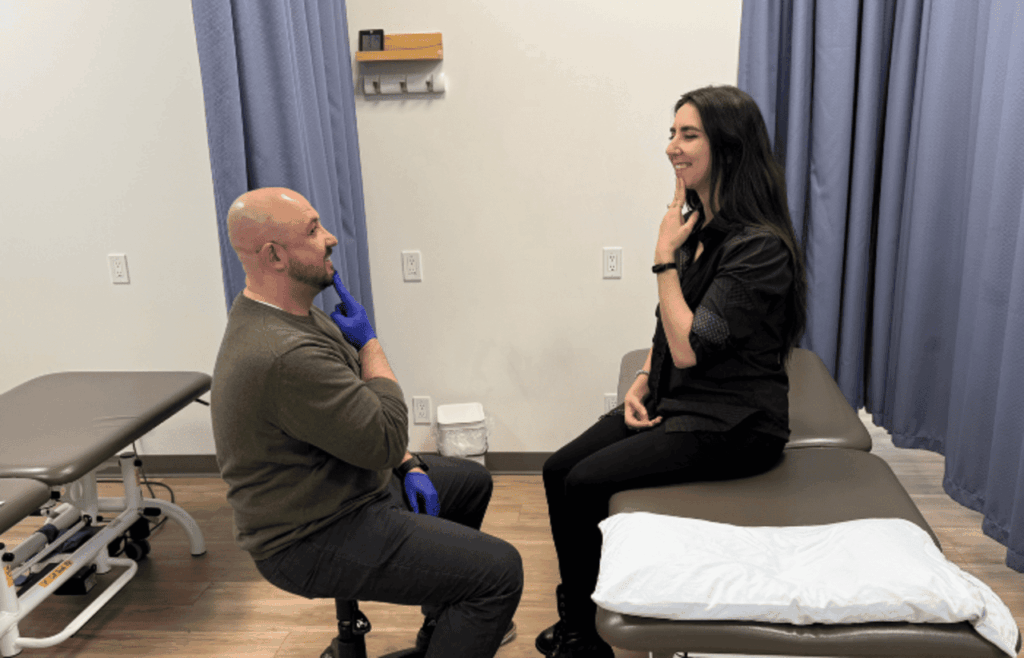
Many people clench their jaw during periods of concentration, stressful meetings, deadlines, or long hours at a computer.
Over time, this can contribute to:
Jaw tightness
Facial tension
Clicking or popping
Headaches
Soreness when chewing
Neck and shoulder tension
The jaw, neck, and upper cervical spine are closely connected, which is why symptoms often overlap.
If this sounds familiar, you may benefit from learning more about TMJ physiotherapy and how the jaw and neck work together.
What You Do Outside of Work Matters Too
Desk work is only one piece of the puzzle.
How well your body tolerates sitting is often influenced by:
Sleep quality
Stress levels
Strength and conditioning
Walking and daily movement
Exercise habits
Recovery time
People who move regularly throughout the day often tolerate desk work much better than people who spend most of their day sitting.
This doesn’t mean you need perfect fitness to avoid pain.
It simply means that movement capacity matters.
The body generally tolerates movement better than prolonged stillness.
Sitting Still Is Often More Problematic Than Sitting Perfectly
Many people spend enormous amounts of energy trying to maintain the “perfect posture.”
The problem is that even a good posture can become uncomfortable if held for several hours without movement.
This is why many modern physiotherapists focus less on perfect posture and more on:
Movement variability
Position changes
Strength and endurance
Load tolerance
Recovery habits
The goal isn’t to sit perfectly.
The goal is to help your body tolerate work demands with less accumulated tension and fatigue.
Common Signs Desk Work May Be Contributing
You may notice:
Neck tension at the end of the day
Headaches during computer work
Jaw clenching
Upper back stiffness
Low back tightness
Shoulder tension
Difficulty sitting for long periods
Many people also notice that symptoms improve during weekends, vacations, exercise, or time away from work.
Often, symptoms are influenced by several factors at once rather than a single structural problem.
Small Changes Often Matter More Than Perfect Ergonomics
A good workstation can certainly help.
However, even the best ergonomic setup cannot completely offset sitting still all day.
The biggest improvements often come from:
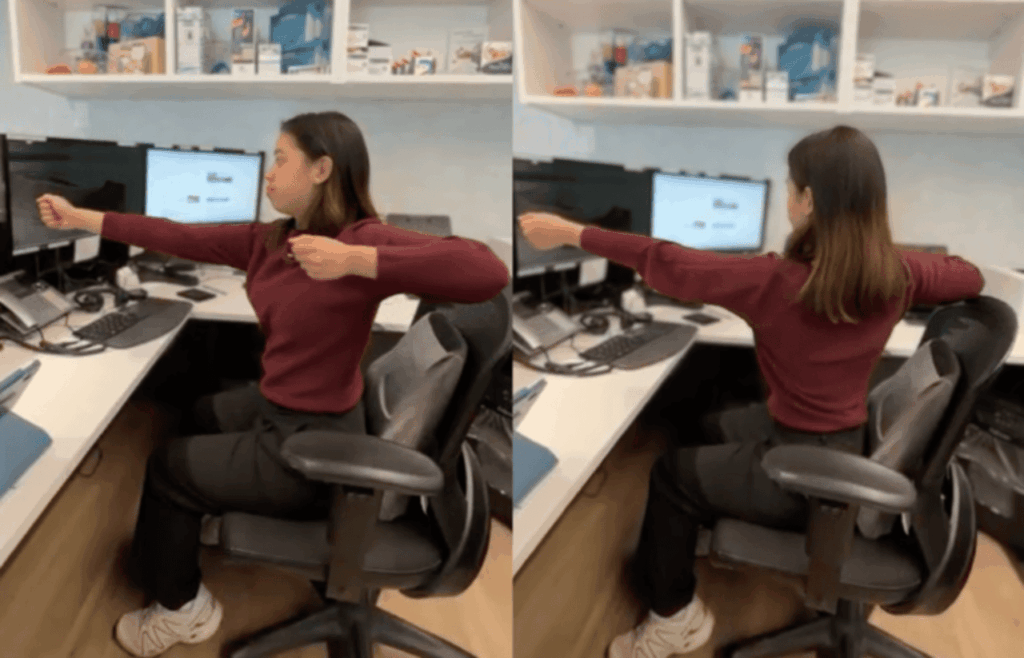
Taking regular movement breaks
Changing positions frequently
Walking throughout the day
Improving strength and endurance
Improving recovery habits
Building tolerance gradually
Sometimes the smallest habits repeated consistently create the biggest long-term improvements.
What Can Physiotherapy Help With?
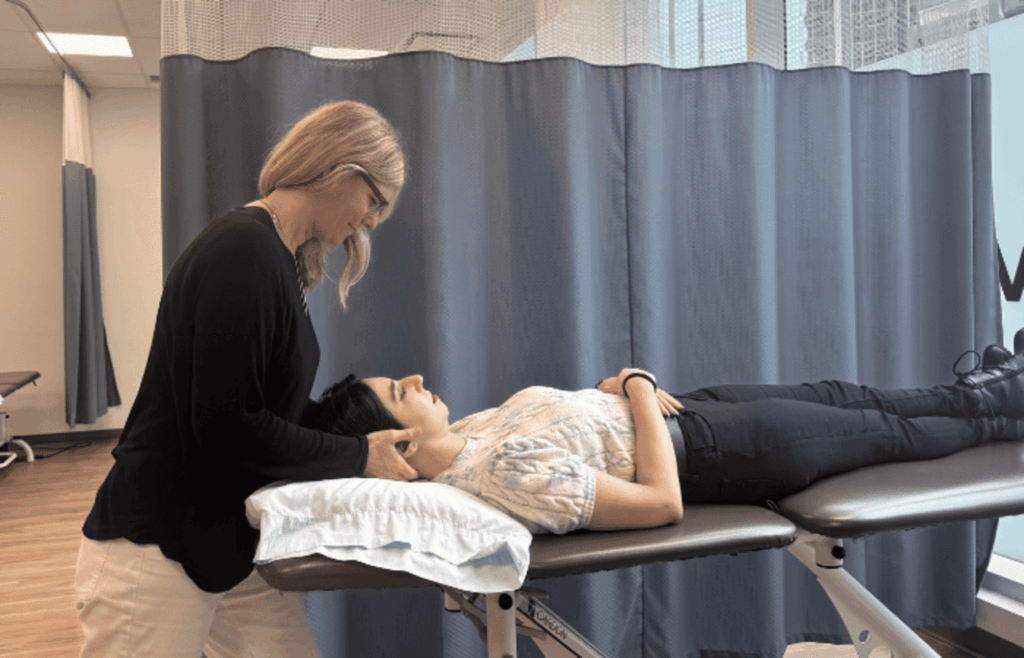
A physiotherapy assessment looks beyond the painful area to understand what may be contributing to your symptoms.
Your physiotherapist may assess:
Workstation habits
Neck mobility
Upper back mobility
Jaw tension
Breathing patterns
Strength and endurance
Exercise tolerance
Work-related aggravating factors
Treatment depends on your findings but may include:
Exercise and movement strategies
Mobility work
Postural endurance exercises
Breathing awareness
Manual therapy
IMS dry needling when appropriate
Strategies to reduce unnecessary tension and guarding
The goal is not simply to fix posture.
The goal is to help your body tolerate work demands more comfortably and confidently.
The Bottom Line
Desk work affects far more than just your neck.
Prolonged sitting, stress, concentration, jaw tension, reduced movement, and sustained positions can all influence how your body feels throughout the day.
For most people, the issue is not one single posture or structure.
It’s the accumulation of load, tension, stress, reduced movement, and recovery demands over time.
Recovery often starts by helping the body move more, vary positions more frequently, build tolerance gradually, and reduce unnecessary tension throughout the workday.
You May Also Find Helpful
Why Does My Jaw Click When I Open My Mouth? Learn why jaw clicking is often normal and when it may be worth having it assessed.
Can TMJ Cause Headaches and Neck Pain? Discover how the jaw, neck, and nervous system are connected.
What Does Physiotherapy for TMJ Involve? A step-by-step look at assessment, treatment, and recovery for TMJ symptoms.
Why Your Neck Pain Causes Headaches and What Helps Learn about cervicogenic headaches and common causes of neck-related headaches.
Why IMS Is More About the Nervous System Than the Needle Understand how IMS works and why treatment is about more than the needle itself.
Need Help With Desk-Related Neck, Jaw, or Back Pain?
At Avenue Physio, we provide one-on-one physiotherapy focused on understanding the factors contributing to your symptoms and creating a clear plan for recovery.
Whether you’re dealing with neck pain, headaches, jaw tension, back stiffness, or discomfort during long workdays, we’re here to help.
Book Your Assessment and let’s help you move more comfortably at work and beyond.


 Skip to content