Skip to content

Is It Normal to Have Pain After Physiotherapy?
The Short Answer
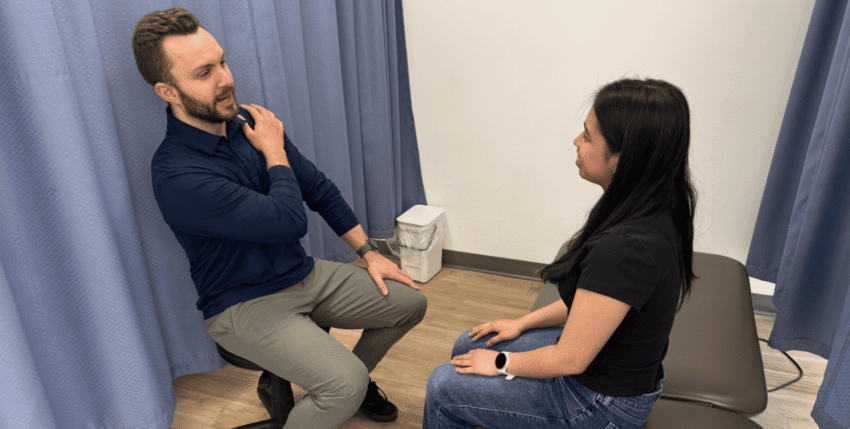
It’s not unusual to experience some soreness after a physiotherapy appointment. Depending on your treatment, you might notice tenderness following soft tissue work, muscle soreness after exercise, or a deep ache after dry needling/intramuscular stimulation (IMS).
But not all pain after physiotherapy means the same thing. What matters is the type of discomfort, how intense it is, how long it lasts, and whether it was an expected response to your treatment.
At Avenue Physio, we take time to explain what you might experience after treatment, how to manage any discomfort and when we’d like you to contact us. If your symptoms are more intense than expected, are getting worse, or simply leave you uncertain, we want to hear from you rather than have you wait until your next appointment.
Why Might You Feel Sore After Physiotherapy?
Some soreness after physiotherapy is an expected response to treatment. The type and amount of soreness can vary depending on what was treated, the techniques used and how sensitive the area was before your appointment.
IMS, hands-on treatment, joint mobilization and strengthening exercises can all produce different responses. Understanding what to expect can help you manage any discomfort and recognize when it’s worth contacting us.
Soreness After IMS or Dry Needling
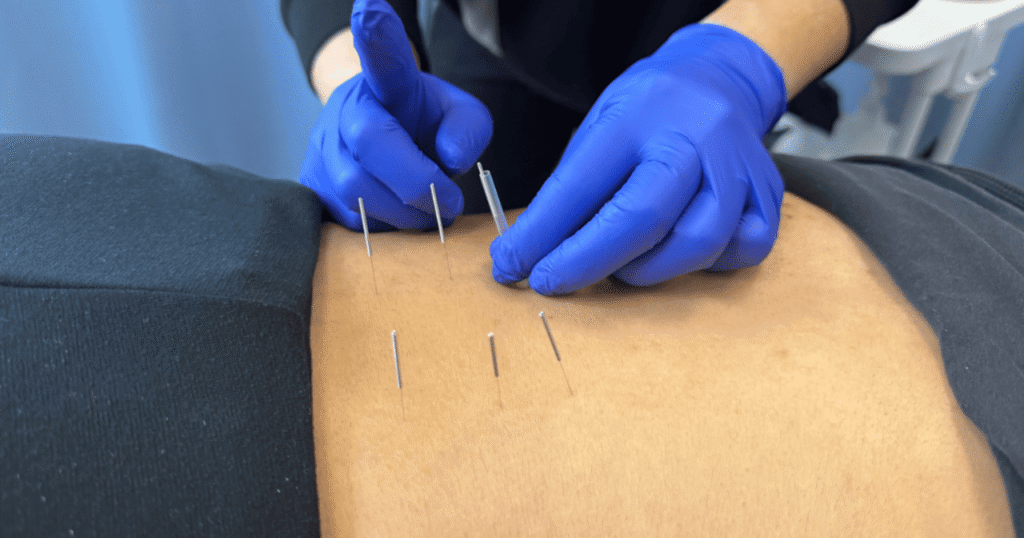
Intramuscular stimulation (IMS), a form of dry needling, involves inserting a fine needle into selected muscles. Needling creates a local response in the tissue, including changes in blood flow and chemical substances involved in pain signalling. The needle can also cause some temporary irritation to the muscle.
Research has identified changes in substances such as substance P and calcitonin gene-related peptide (CGRP), which are involved in pain signalling, following needling of sensitive muscle tissue. These biochemical changes are one of several proposed mechanisms through which dry needling may influence pain. You can read more about this in the research on the proposed mechanisms of needling for myofascial pain.
Following needling, it’s common to experience a deep ache, tenderness or muscle soreness. This may last from several hours to a couple of days.
Before performing IMS, we explain the possibility of post-treatment soreness, what it might feel like and how long we anticipate it may last. We also discuss how to manage any discomfort afterward and encourage patients to contact us if their symptoms are more intense than anticipated or aren’t settling.
Soreness After Soft Tissue Treatment or Joint Mobilization
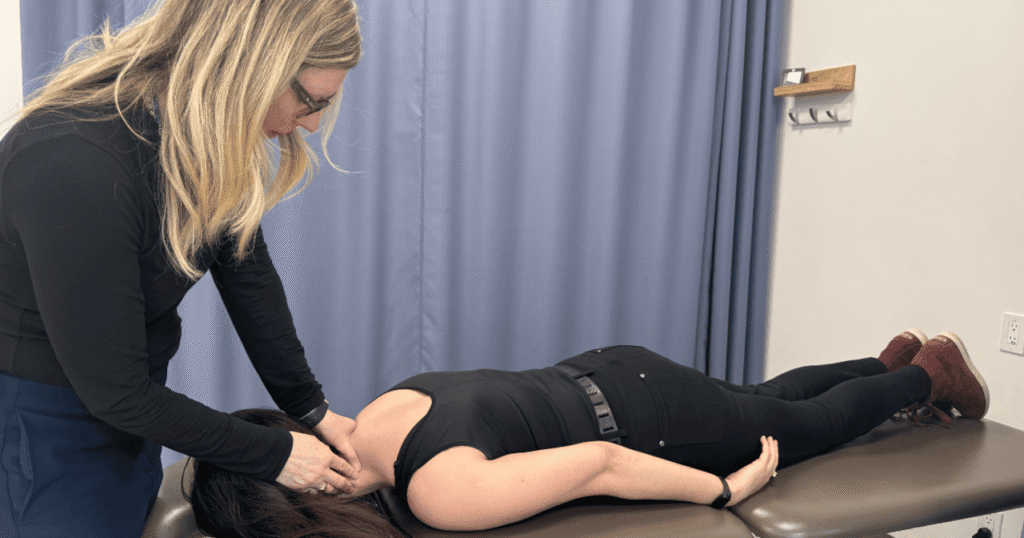
Hands-on physiotherapy may involve pressure through muscles and other soft tissues or movement of a joint that is stiff or sensitive.
Following soft tissue treatment, you may notice some local tenderness or aching, particularly if the area was already sensitive.
Joint mobilizations are often used to improve movement and reduce pain. However, when a joint is particularly stiff or irritable, treatment may temporarily increase discomfort.
We adjust the intensity of treatment based on your symptoms, how the area responds and what we’re trying to achieve. If we anticipate some soreness afterward, we’ll explain what to expect and how to manage it.
Muscle Soreness After Exercise
Exercise is an important part of physiotherapy, and sometimes rehabilitation involves asking muscles to work harder or differently than they’re accustomed to.
For example, if you’ve had shoulder pain for several months and have avoided lifting your arm, introducing resistance exercises may result in muscle soreness. Similarly, exercises targeting the quadriceps after a knee injury can leave your thigh muscles feeling tired or achy the following day.
This may be delayed-onset muscle soreness (DOMS), which often develops several hours after unfamiliar exercise, becomes more noticeable over the following day or two, and then gradually settles.
A review by Cheung, Hume and Maxwell in Sports Medicine describes how unfamiliar or demanding muscle activity can lead to delayed-onset soreness, particularly when muscles are working while lengthening. Read the review of delayed-onset muscle soreness and recovery strategies.
This type of soreness is different from a sudden sharp pain during an exercise or a significant increase in the symptoms you originally came to physiotherapy for.
The goal of exercise rehabilitation is to progressively improve strength, movement and tolerance for activity. Some soreness may occur along the way as we gradually increase the demands placed on your muscles.

How Do You Know Whether Pain After Physio Is Normal?
This is where the conversation between you and your physiotherapist becomes particularly important.
Rather than deciding whether pain is normal based only on how much it hurts, consider what treatment you received, what response was anticipated and how your symptoms have changed.
A dull muscular ache following a new strengthening program may be expected. That same level of discomfort might be less expected after a gentle treatment intended to calm an irritable condition.
We also consider whether the pain is familiar or new. Mild soreness in the muscles you exercised is different from developing new numbness, weakness or sharp pain in an area that wasn’t previously symptomatic.
The duration matters too. Some post-treatment soreness settles within 24–48 hours, while exercise-related muscle soreness can last several days. These are general patterns rather than guarantees that a particular response is harmless.
Pain After Physiotherapy: What's Expected and When to Contact Us
Type of treatment | What you might experience | When to contact us |
IMS / dry needling | Deep muscle ache or tenderness lasting several hours to a couple of days | Pain is significantly worse than expected, increasing or accompanied by unusual symptoms |
Soft tissue treatment | Local tenderness, aching or temporary stiffness | Pain is intensifying rather than settling |
Joint mobilization | Temporary aching or stiffness around the treated joint | New or significant pain, swelling or loss of function |
Strengthening exercises | Muscle fatigue or delayed soreness, sometimes lasting several days | Sharp pain, significant worsening of familiar symptoms or difficulty with normal activities |
These are general guidelines. Your individual condition and treatment determine what response is anticipated. Serious or rapidly progressing symptoms require urgent medical assessment rather than waiting for a reply from the clinic.
If your pain is progressively worsening, substantially affecting your ability to function or lasting longer than anticipated, it’s worth contacting us.
The most useful question isn’t simply, “Is pain after physio normal?” It’s “Is this the response we expected from my treatment?”
Your physiotherapist knows what was treated, how your symptoms presented before the appointment and what response they were trying to achieve. That information helps us determine whether your symptoms are consistent with the treatment or whether we need to reassess.
What Should You Do If You're Sore After Physiotherapy?
The first step is to follow the advice we discussed at the end of your appointment. We tailor our recommendations to your condition and treatment rather than assuming the same approach is appropriate for everyone.
Heat or ice? Either may provide temporary comfort, depending on the treatment, the condition and your preference. We discuss whether one may be more appropriate for you and how to use it safely. Neither is necessary for every patient, and they shouldn’t be used to mask symptoms that are becoming significantly worse.
Should you keep moving? In many situations, gentle walking and comfortable movement are preferable to avoiding all activity. However, if you’ve experienced a significant flare-up or we’ve recommended specific activity modifications, those recommendations take priority.
Should you continue your exercises? Mild muscular soreness doesn’t always mean you need to stop. Sometimes reducing the resistance, repetitions or range of movement is enough. If an exercise is producing sharp pain or significantly worsening your symptoms, pause that exercise and contact us so we can help you adjust your program.
What about pain medication? Occasionally, a flare-up may require additional pain relief. If your symptoms are more intense than anticipated, contact us so we can discuss what’s happening. Depending on your symptoms, we may recommend speaking with your pharmacist or family physician about appropriate medication options.
The important point is that managing pain after physiotherapy shouldn’t involve guessing what to do. If you’re unsure, we’re happy to discuss your symptoms and help determine the next step.
When Should You Contact Your Physiotherapist?
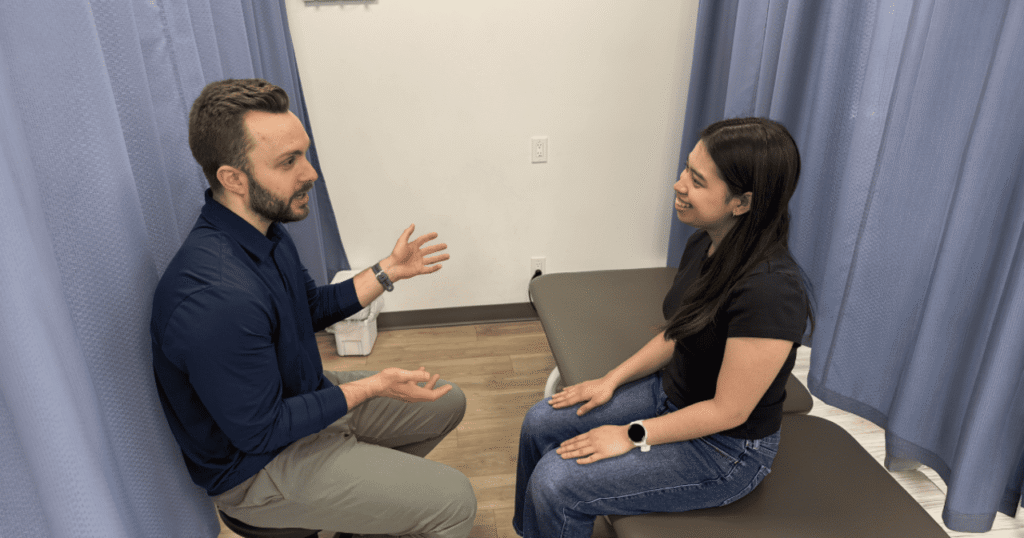
We would much rather hear from a patient who has a question than have someone spend several days worrying about whether their symptoms are normal.
Please contact us if your pain is considerably greater than expected, continues to intensify, interferes significantly with sleep or everyday activities, or feels different from the symptoms we discussed during your appointment.
New numbness, tingling, weakness or unusual swelling also deserve prompt attention. Severe or rapidly progressing neurological symptoms, chest pain, breathing difficulties or other potentially serious symptoms require urgent medical care rather than waiting for an email response.
When you contact us, it helps to describe where the pain is, when it started, how it compares with your symptoms before treatment and whether it’s improving or worsening. Let us know if you’ve tried anything to relieve it and whether you’re having difficulty with normal activities.
Depending on your symptoms, we may explain that the response is consistent with what we anticipated, suggest changing your exercises or activity, arrange to reassess you, or recommend medical review.
Sometimes a flare-up tells us that the treatment or exercise dosage needs adjusting. That information is valuable because physiotherapy isn’t about applying the same treatment regardless of how someone responds. We use your feedback to help guide what happens next.
The Avenue Perspective
At Avenue Physio, we believe that explaining treatment is just as important as delivering it. We want our patients to understand what we’re doing, why we’re doing it and what they might experience afterward.
Whether we’re performing IMS, providing hands-on treatment or introducing a new exercise, we discuss the response we anticipate and how to manage any discomfort. Of course, not every response is predictable. Two people receiving similar treatment may feel quite different afterward, and even the same person can respond differently from one appointment to the next.
That’s why communication doesn’t end when you leave the clinic.
We provide our patients with their physiotherapist’s email address so they can contact us if they have questions or concerns following treatment. If you’re worried about how you’re feeling, we want you to reach out rather than wait until your next appointment. For urgent or potentially serious symptoms, seek immediate medical care rather than relying on email.
Sometimes all that’s needed is an explanation or a small adjustment to your exercise program. Other times, we may recommend reassessing your symptoms or speaking with your physician about additional pain management.
We see communication after treatment as an important part of physiotherapy care. Our one-on-one appointments allow us to understand your concerns, explain our clinical reasoning and make decisions together about your treatment.
Sometimes a patient’s response is exactly what we anticipated. Other times, it tells us we need to change our approach. Either way, that feedback helps us provide better care.
If you’re looking for physiotherapy in downtown Calgary, learn more about our approach at Avenue Physio.
Frequently Asked Questions
Is it normal to feel worse the day after physiotherapy?
Some temporary soreness can occur after IMS, manual treatment or unfamiliar exercises. Whether it’s expected depends on the treatment, your condition and the symptoms you’re experiencing. If the pain is significantly worse than anticipated or continues to increase, contact your physiotherapist.
How long should pain last after physiotherapy?
Mild post-treatment soreness may settle within 24–48 hours, while delayed-onset muscle soreness after exercise can sometimes last several days. There isn’t one timeline that applies to every treatment. If symptoms are not following the pattern discussed during your appointment, check in with your physiotherapist.
Should I use heat or ice after physiotherapy?
Both can provide temporary symptom relief, but the best choice depends on your condition and the treatment you received. We discuss the most appropriate options for your particular situation. If you’re unsure, contact us for guidance.
Should I cancel my next physiotherapy appointment if I'm still sore?
If you’re still sore after treatment, we encourage you to speak with your physiotherapist before making any changes to your next appointment. We want to know how you’ve responded to treatment, particularly if your symptoms are different from what we anticipated. We may want to see you to reassess your symptoms, adjust your treatment or modify your exercises. Your response helps us determine the best next steps, so keeping that communication open is an important part of your care.